Donbas
Donbas (short for the Donets Basin) is a historical, cultural, and economic region in eastern Ukraine, primarily encompassing the Donetsk and Luhansk oblasts.
About the region
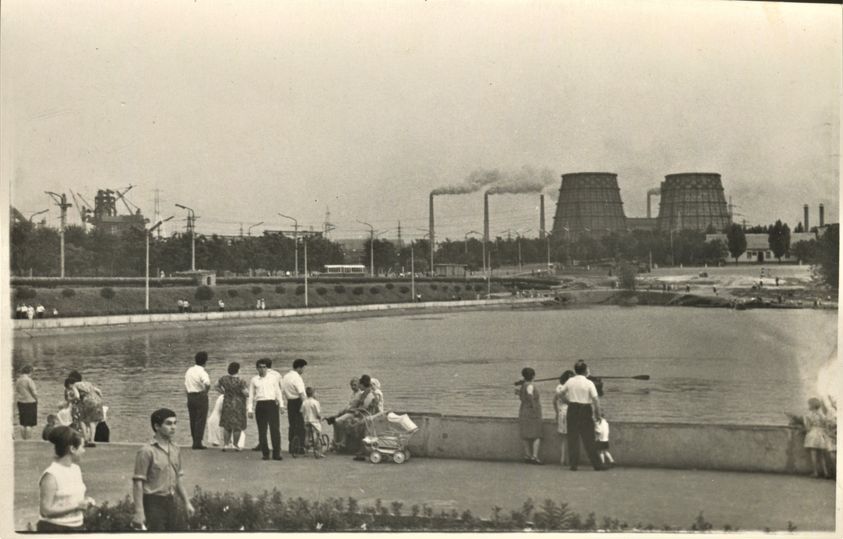
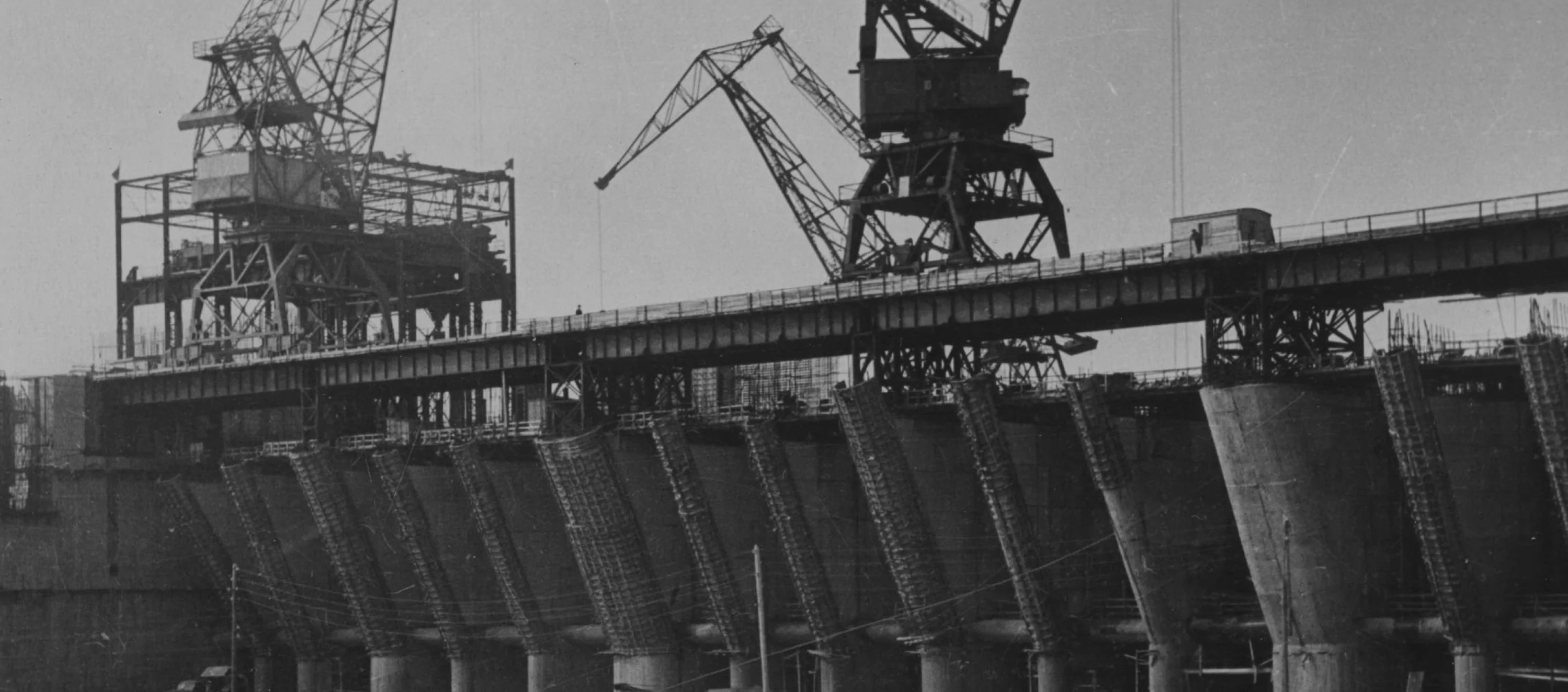
Donbas, short for the Donets Basin, is a historical, cultural, and industrial region in eastern Ukraine comprising the Donetsk and Luhansk oblasts. Developed rapidly during the 19th century thanks to its vast coal and iron deposits, the region grew into a major European industrial hub built with significant investment and expertise from British, Belgian, German, French, and American entrepreneurs. Following the 1917 Bolshevik Revolution, Soviet authorities nationalized these industries and systematically attempted to erase the region's rich multicultural history. Today, Donbas remains a critical economic region that has been devastatingly impacted as the primary epicenter of Russian military aggression and conflict since 2014.
Region profile
- Key industries
- Mining · Machinery · Energy · Agriculture
- People
- 4
- Films
- 1
- Locations
- 9
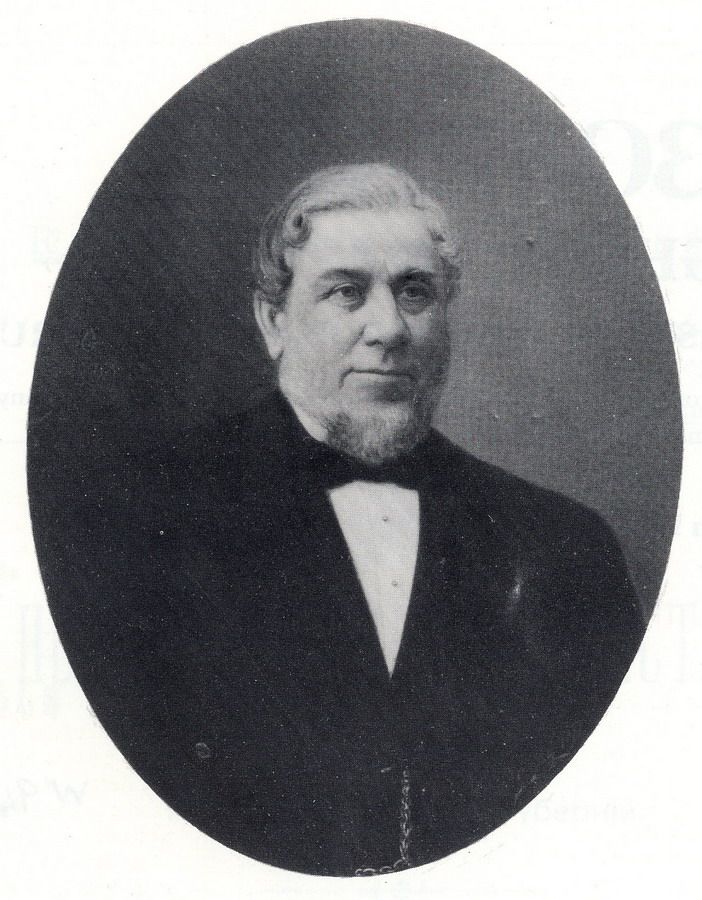

The film documenting this region
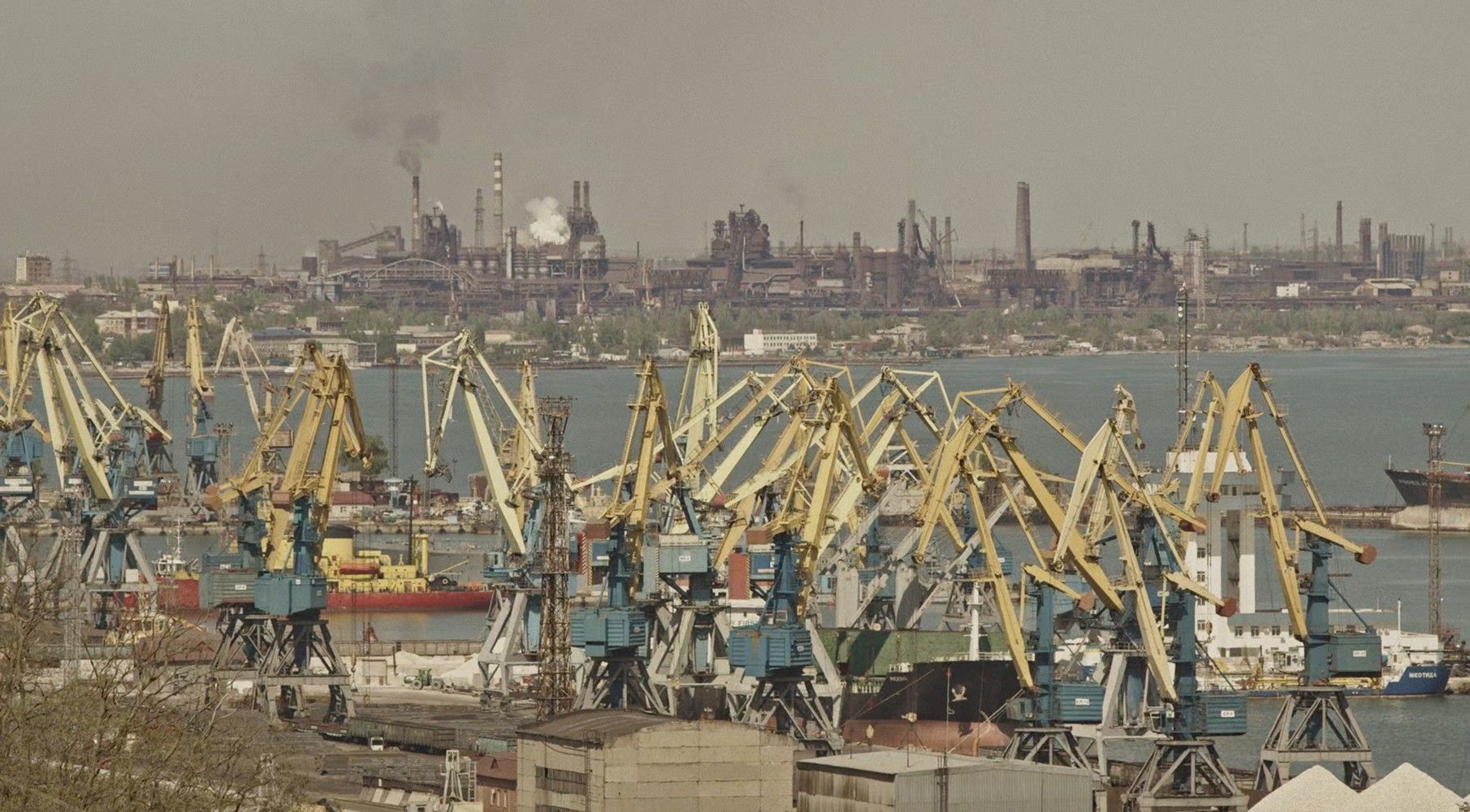
Eurodonbas
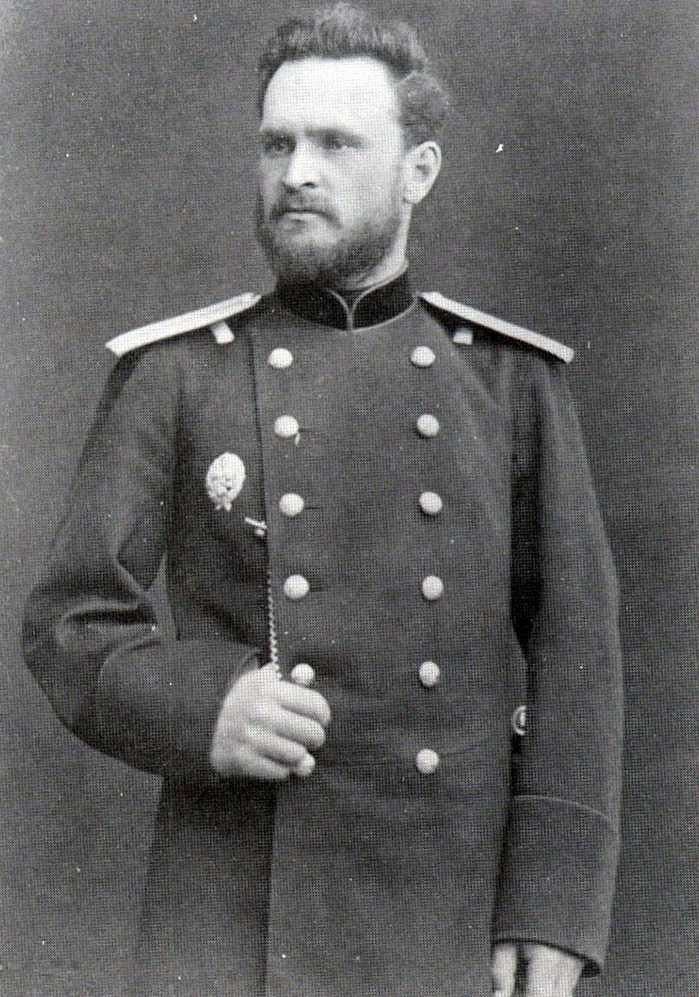
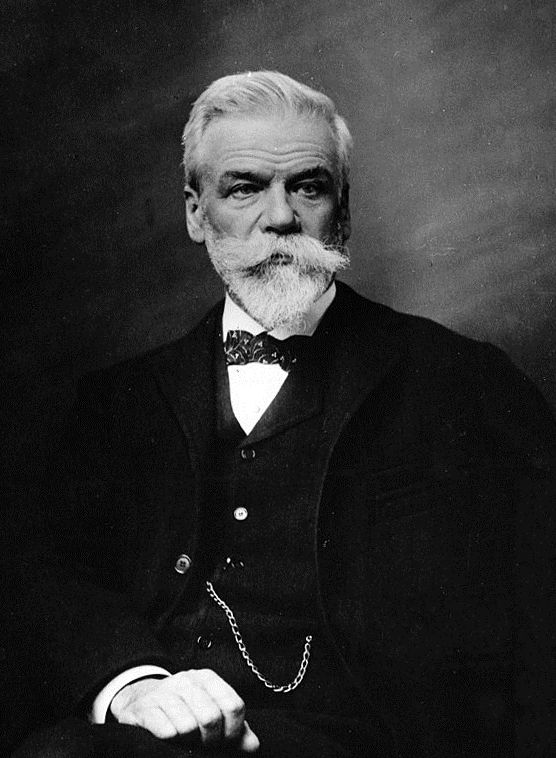
The documentary Eurodonbas uncovers the region's forgotten 19th-century European legacy—built by international entrepreneurs and later erased by the Soviet Union—just before many of these historical sites were destroyed in the Russo-Ukrainian War.
View filmFilm record
- Year
- 2021
- Duration
- 73 min
- Genre
- Documentary
Documented locations
View all →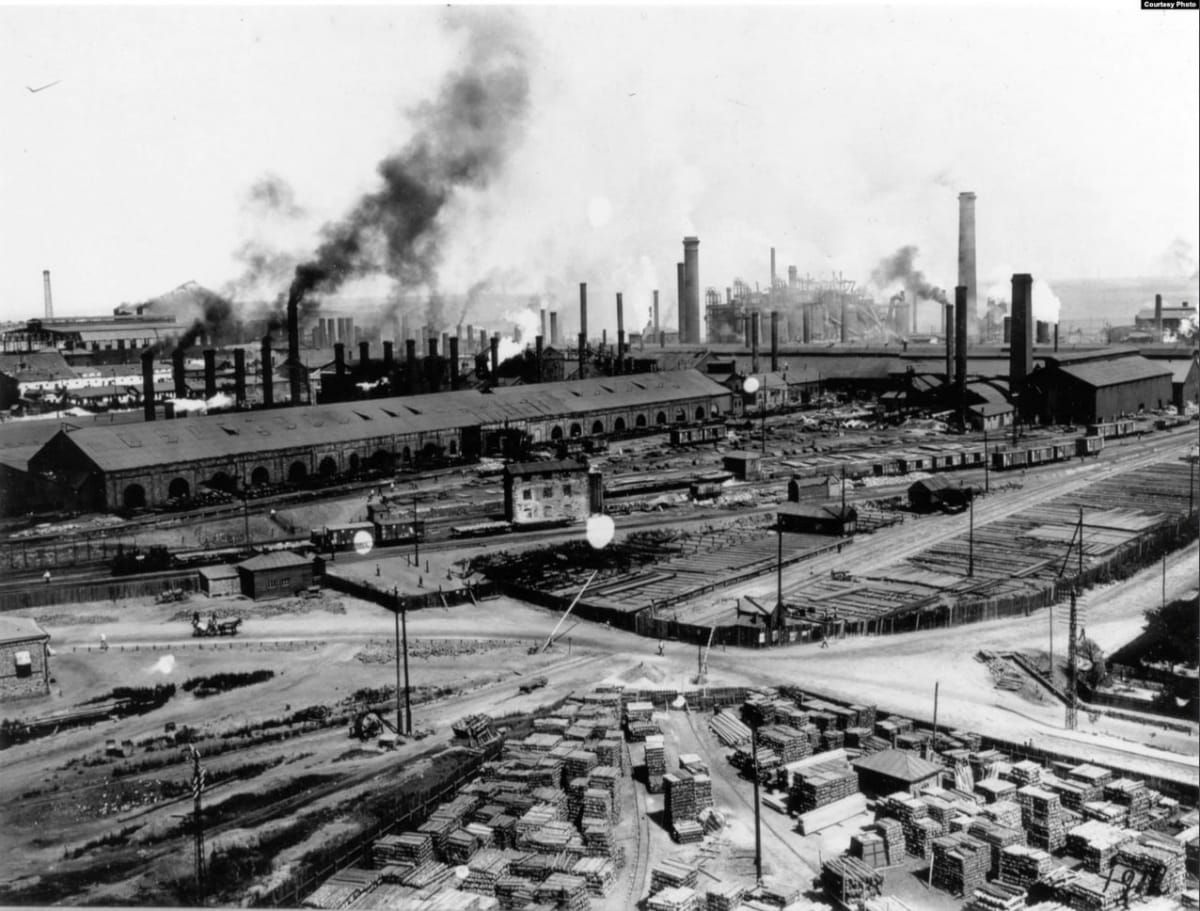
Donetsk Metallurgical Plant
donbasView locationIn 1869, the British engineer and entrepreneur John Hughes began the construction of a metallurgical plant and a railway. During Yuz's time, the city was divided into two parts: Factory, "English Colony" - a place where workers who came to Yuzivka from Great Britain lived, and "New World" - an area where local workers lived. The creation of the plant was the cause of mass migration of workers from Wales to the future Donetsk.
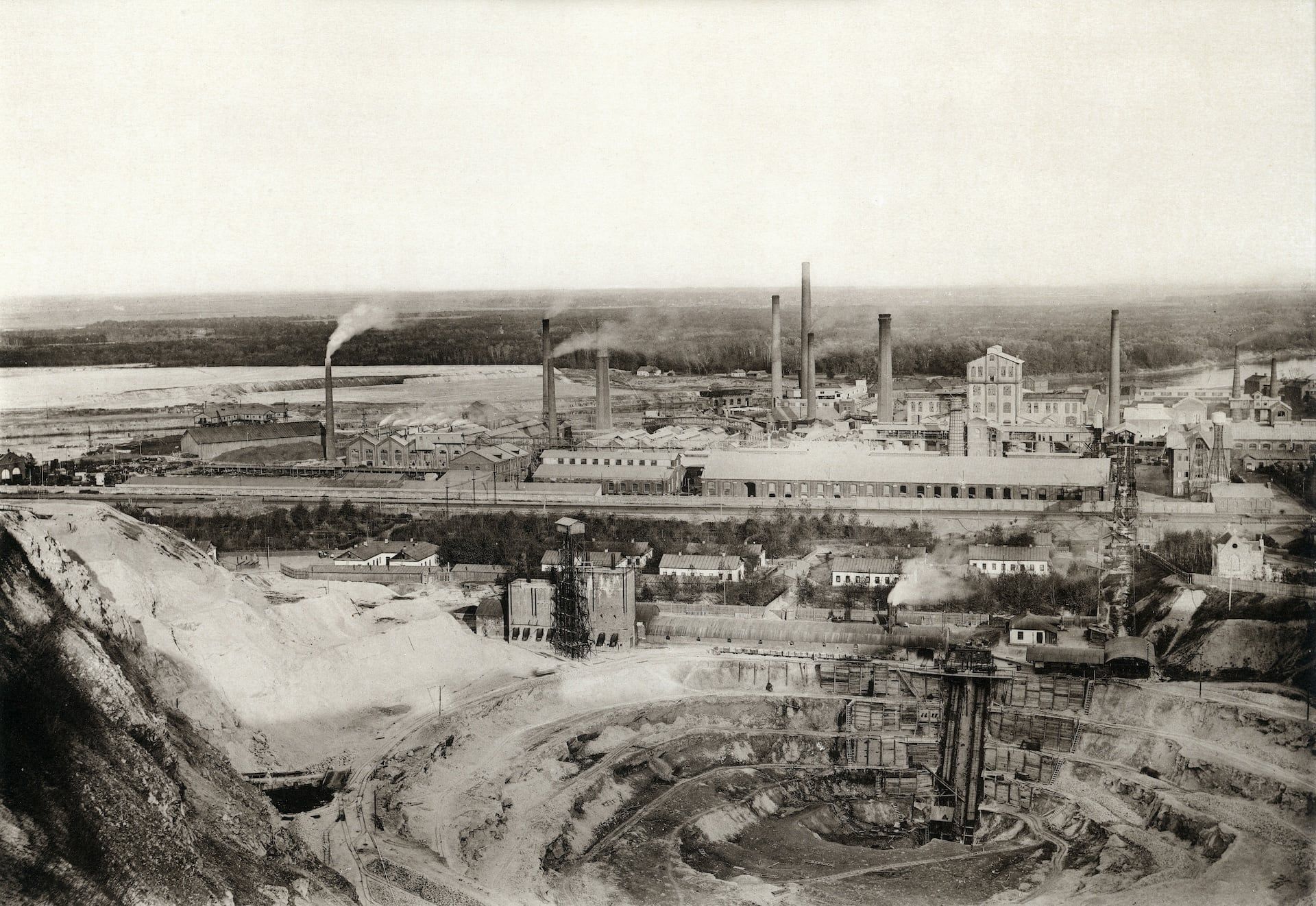
Donetsk Soda Plant
donbasView location«Donetsk Soda Plant» was founded in 1892 by the Belgian industrialist Ernest Solve. More than 30 objects of Belgian architectural heritage were found around Donsoda. Near the factory at the beginning of the 19th century. a small town was built with all the infrastructure, part of the buildings remained at the beginning of the full-scale Russian invasion.
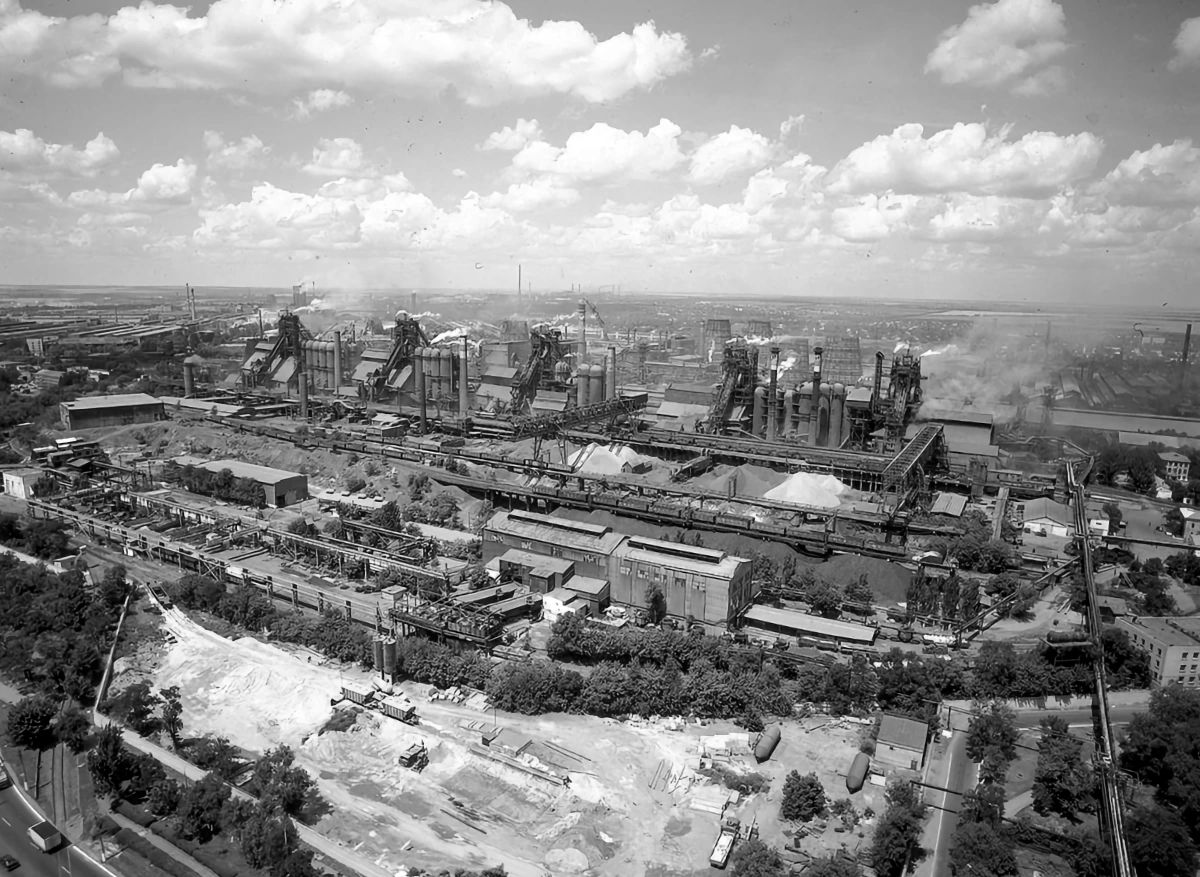
Illich Steel and Iron Works
donbasView locationFounded in 1897 by Belgian industrial interests, the "Russian Providence" metallurgical plant in Mariupol was a modern European enterprise that was later nationalized by the Soviets and merged into the iconic Ilyich Steel and Iron Works.
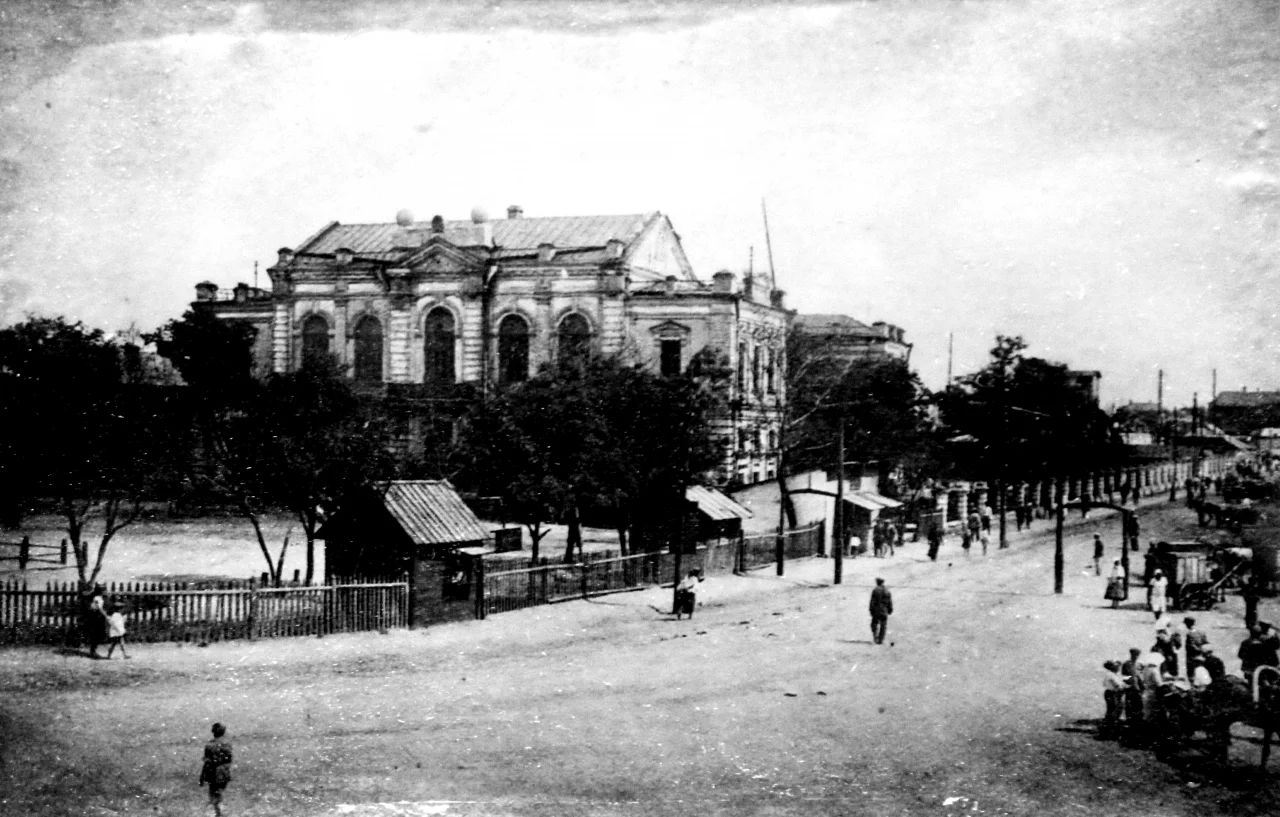
Lysychansk
donbasView locationKnown as the "Cradle of Donbas," Lysychansk is one of the region's oldest industrial cities, famous for hosting the first Donbas coal mine and a rich 19th-century Belgian architectural heritage.
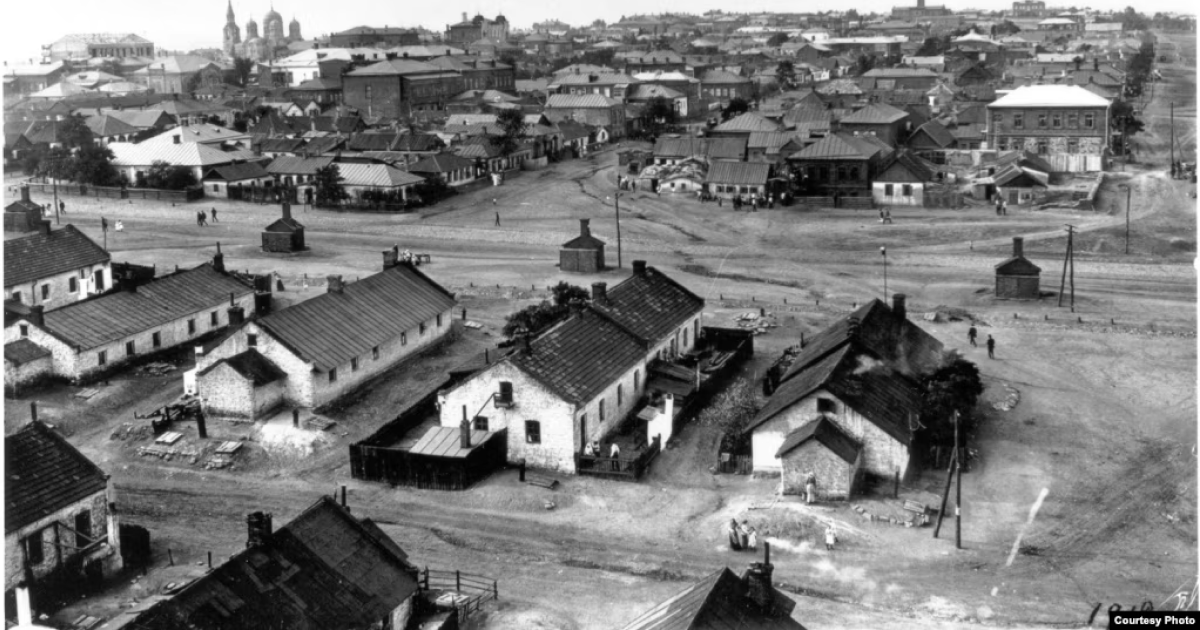
Mariupol
donbasView locationSituated on the Sea of Azov, the port city of Mariupol grew into a global metallurgical powerhouse in the late 19th century through state-of-the-art American machinery and Belgian-backed industrial enterprises.
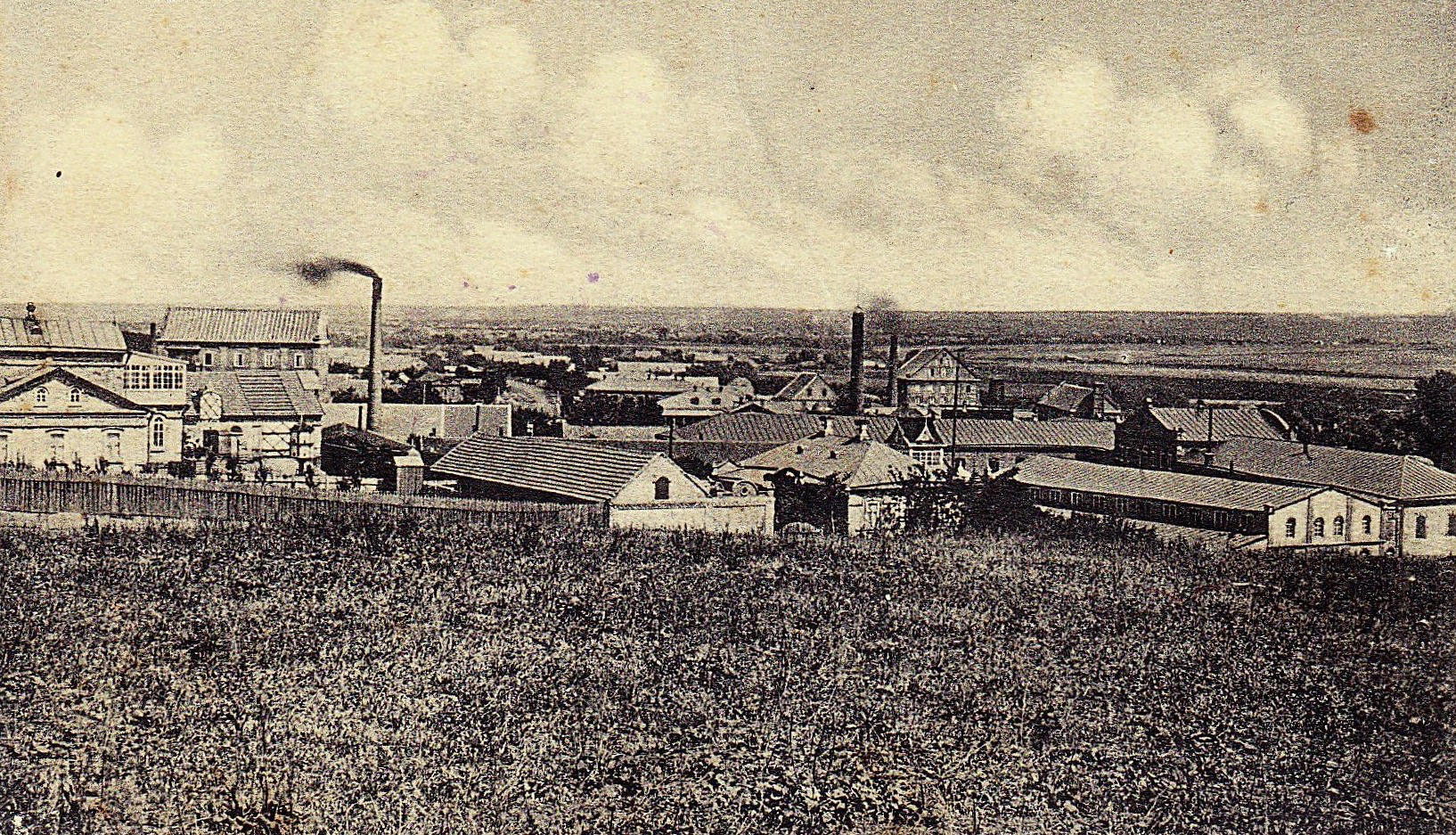
New York
donbasView locationFounded in 1889 by German Mennonites, the town of New-York (later renamed Novhorodske by Soviet authorities) grew into a bustling industrial agricultural settlement famous for advanced machinery plants, brick factories, and iconic structures like Peter Dick's steam mill.
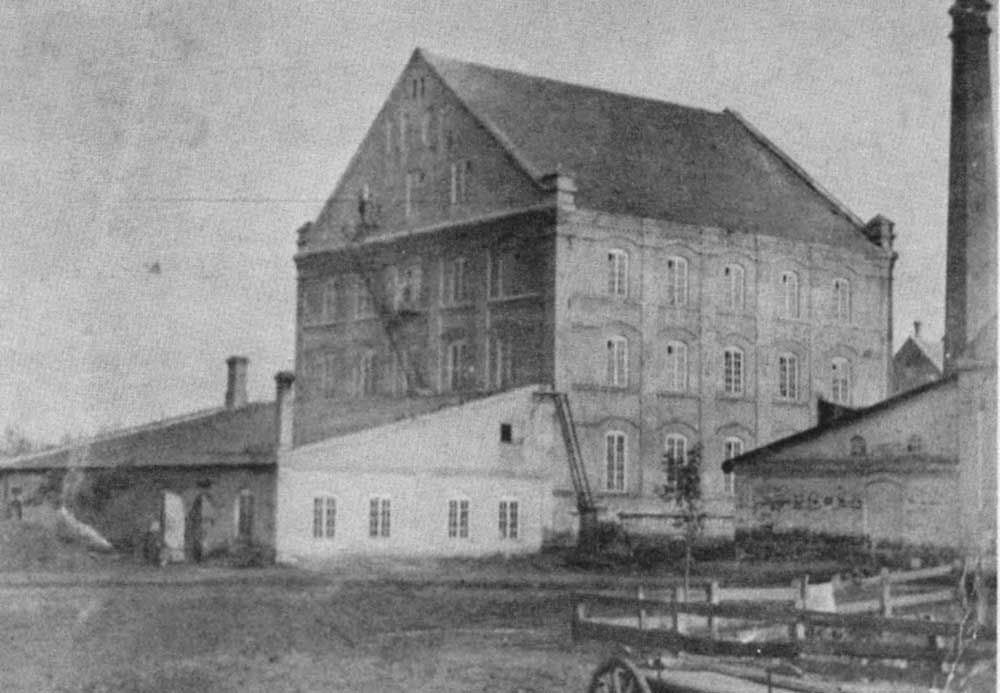
Peter Dick's Steam Mill
donbasView locationOne of the largest steam mills in the German Mennonite colony that existed in the Donetsk region at the turn of the 19th and 20th centuries. Built in 1903, it served as the mill of the village of New York and its surrounding area for decades.
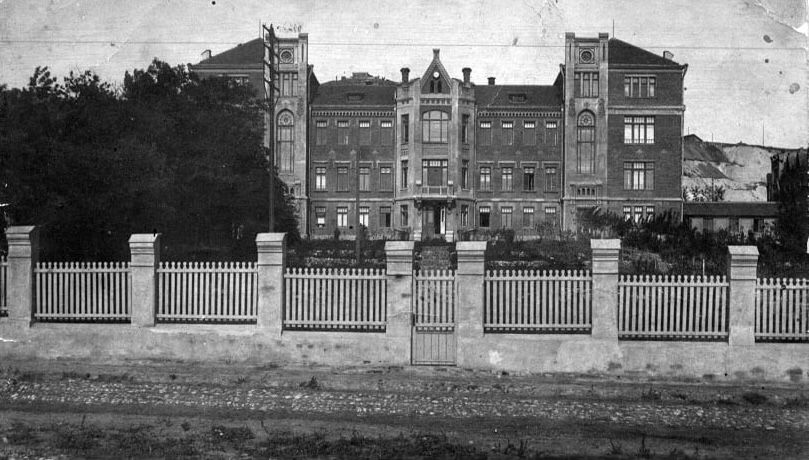
Soda Plant Hospital
donbasView locationBuilt in 1911 in the Art Nouveau style by architect Yuliy Tsaune, the historic Lysychansk soda factory hospital—a red-brick landmark of the city's European heritage—now stands abandoned and rapidly deteriorating despite efforts by local activists to save it.
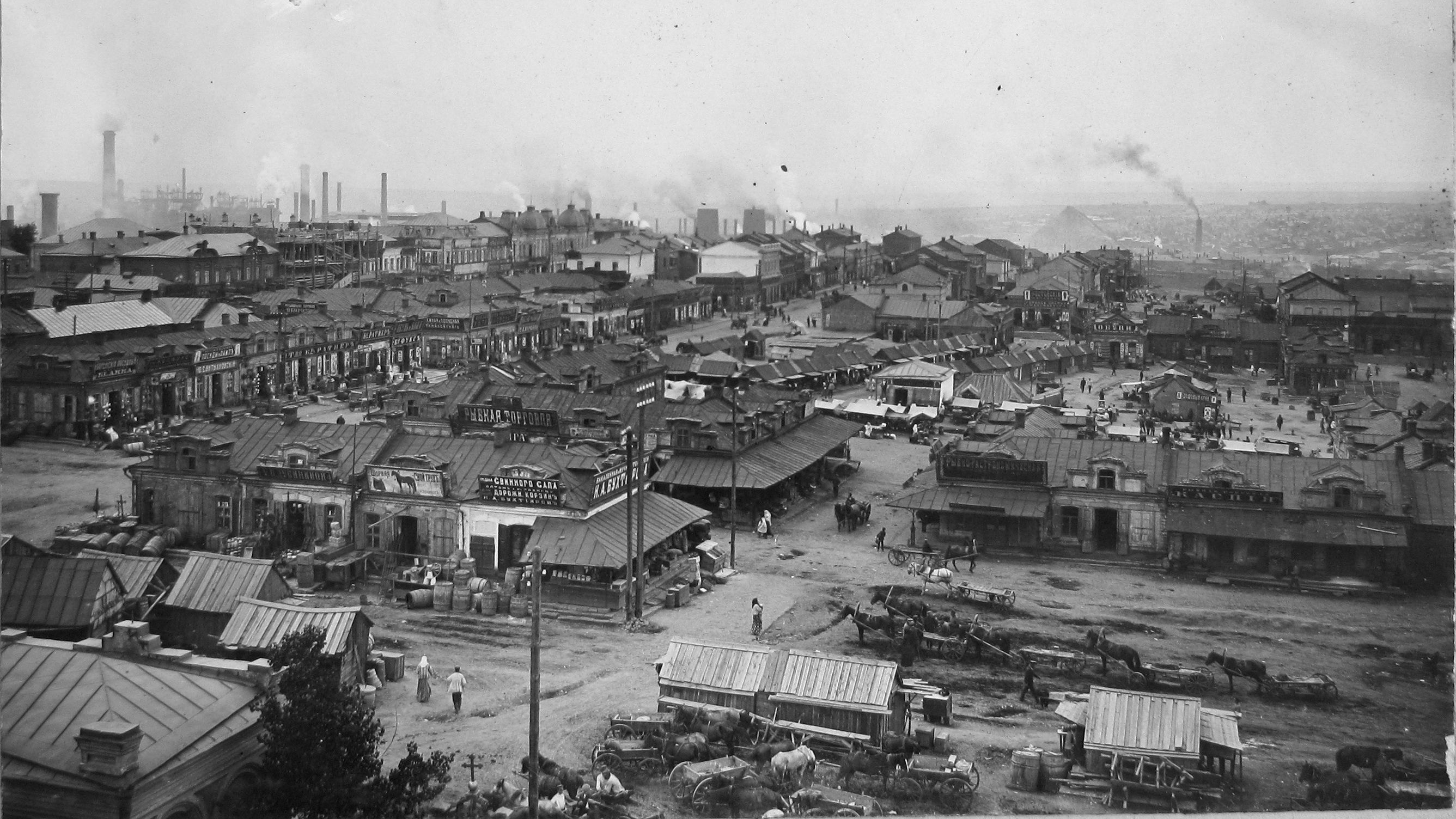
Yuzivka
donbasView locationFounded in 1869 by Welsh businessman John Hughes, the workers' settlement was initially named Yuzove or Yuzivka after him. It was later renamed Stalino in 1924, before finally being named Donetsk in 1961.