New York
48.3° N
37.8° E
- Type
- Settlement
- Region
- Donbas
- Country
- UA
- Coordinates
- 48.3319, 37.8364
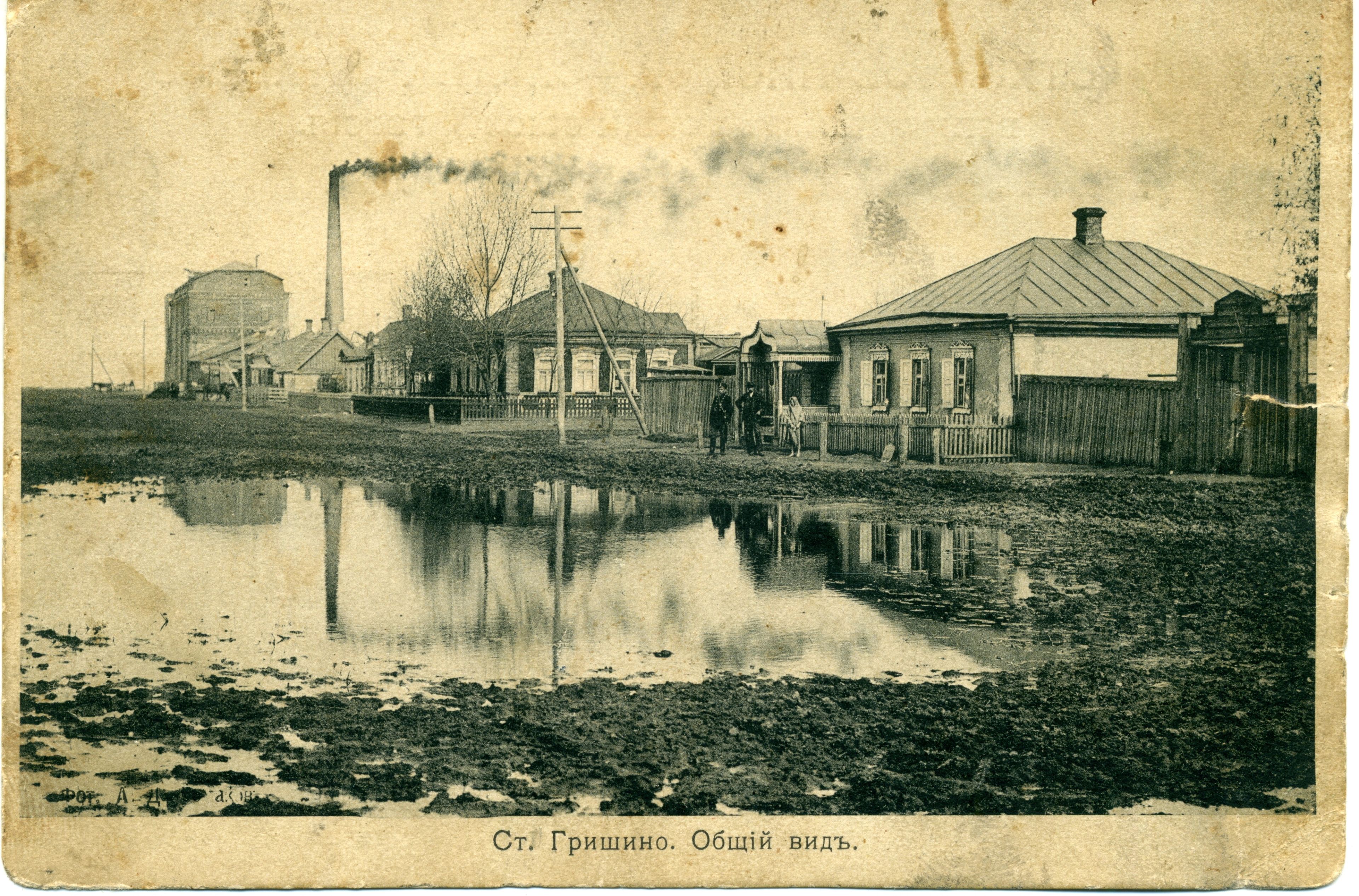
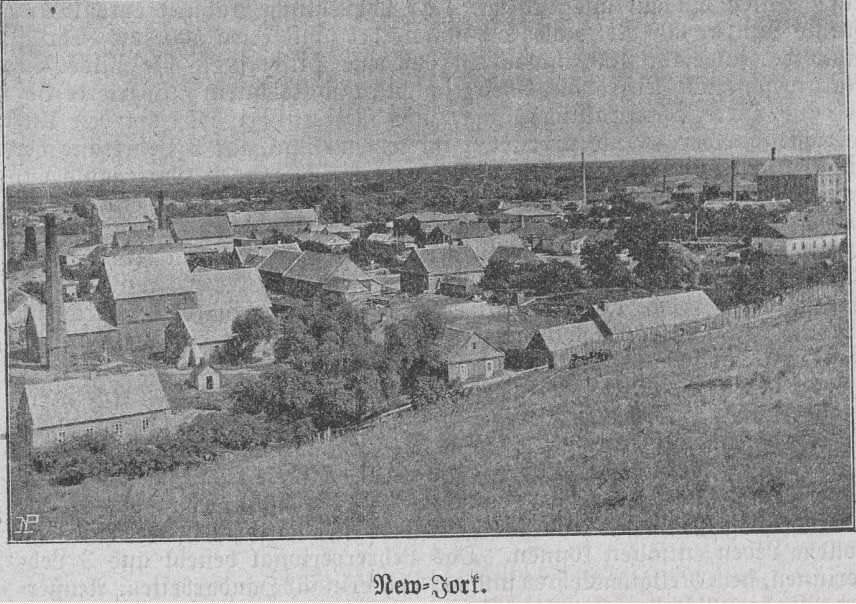
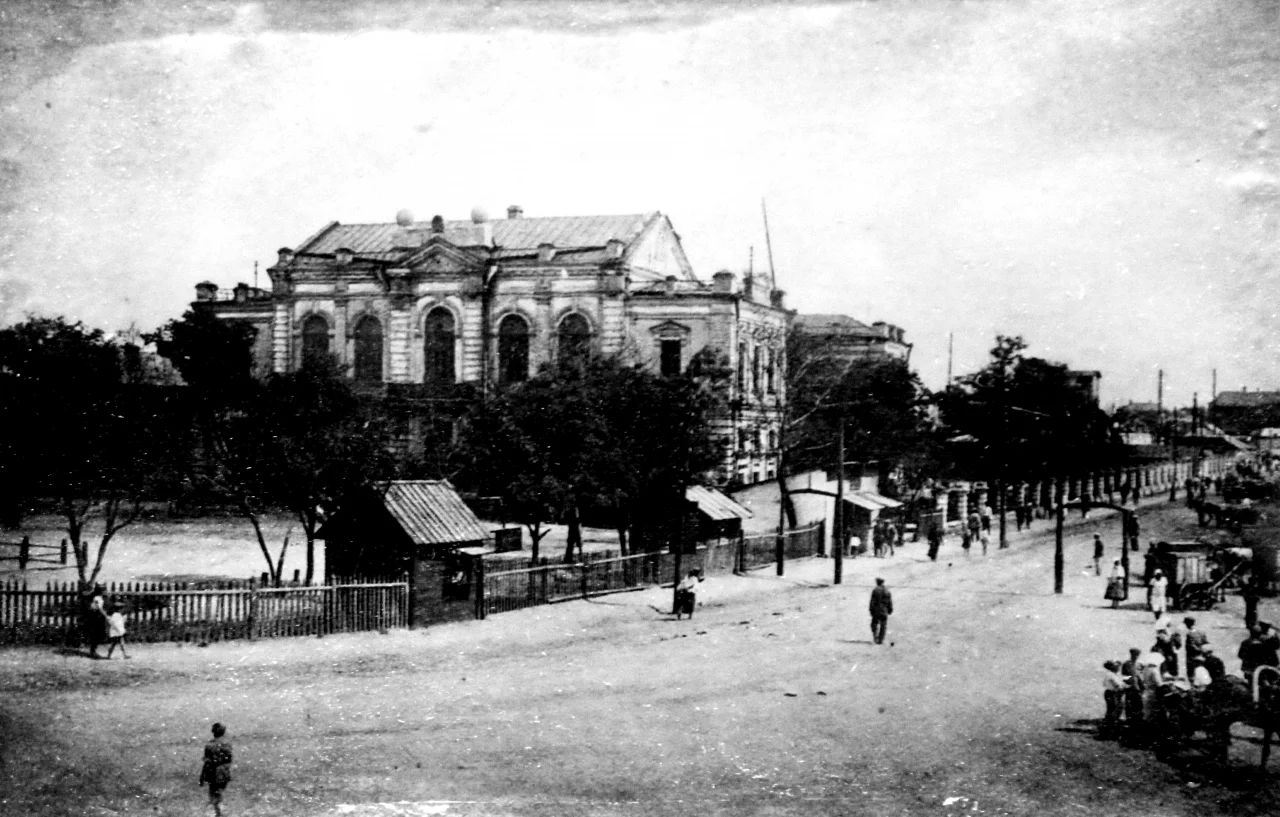
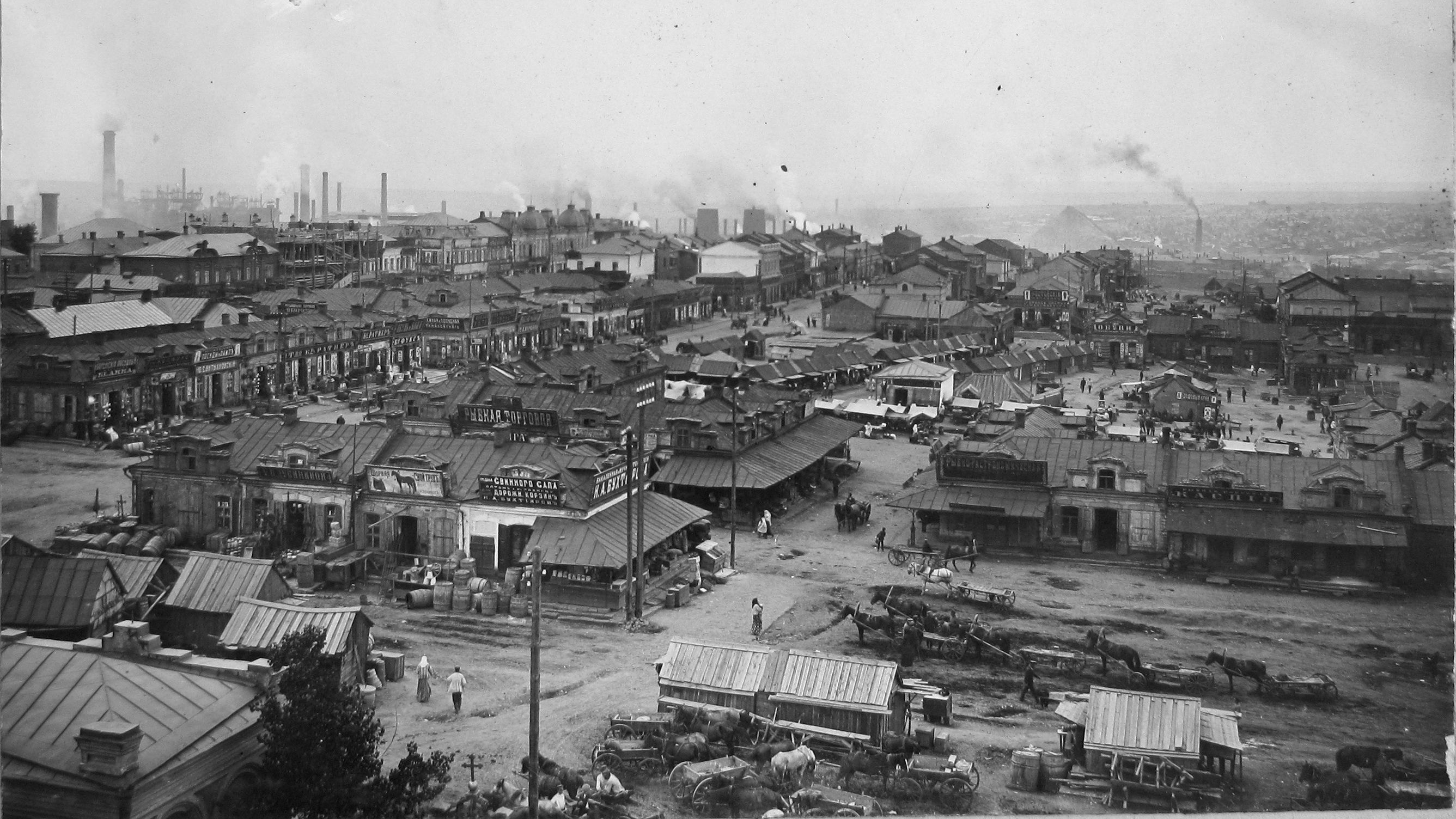
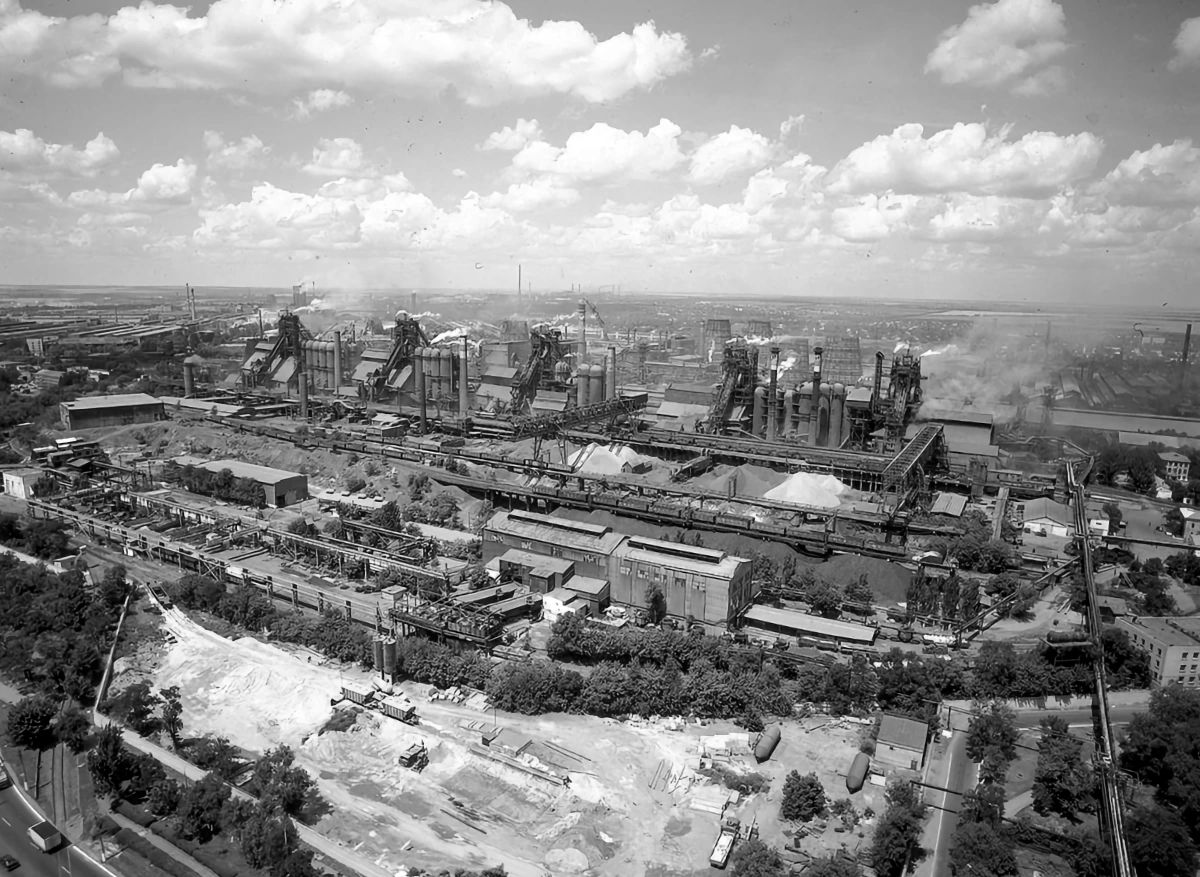
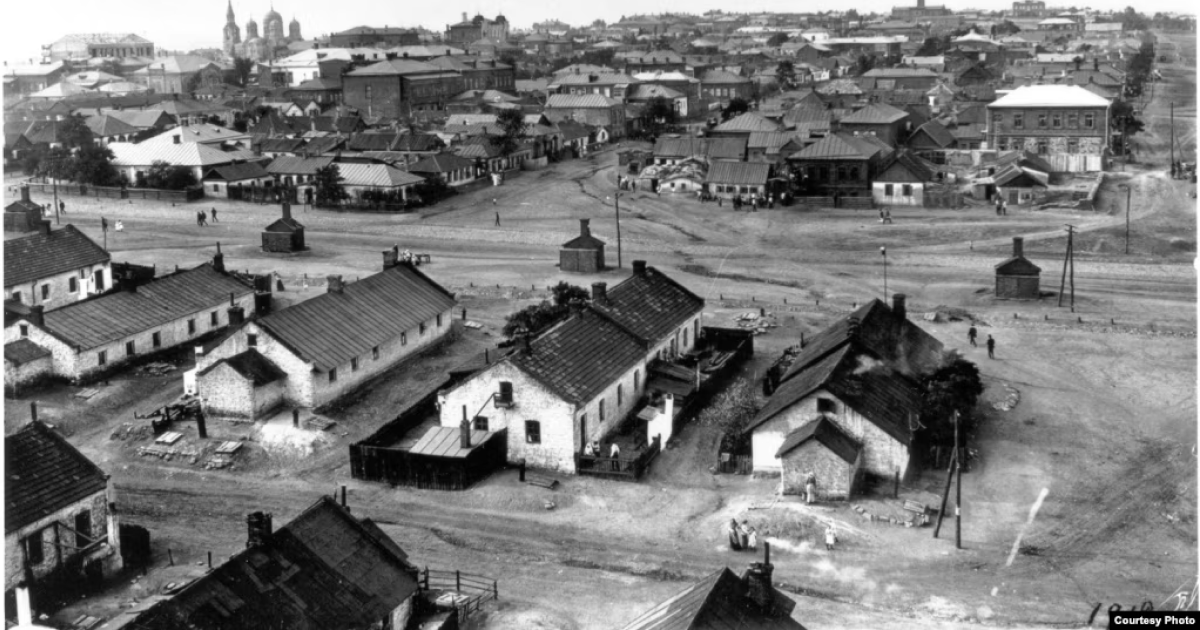
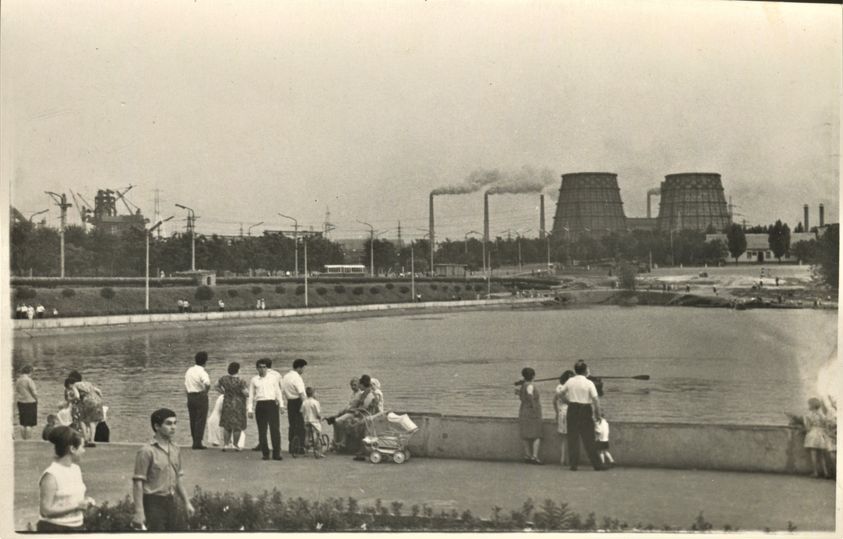
Founded in 1889 by German Mennonites, the town of New-York (later renamed Novhorodske by Soviet authorities) grew into a bustling industrial agricultural settlement famous for advanced machinery plants, brick factories, and iconic structures like Peter Dick's steam mill.
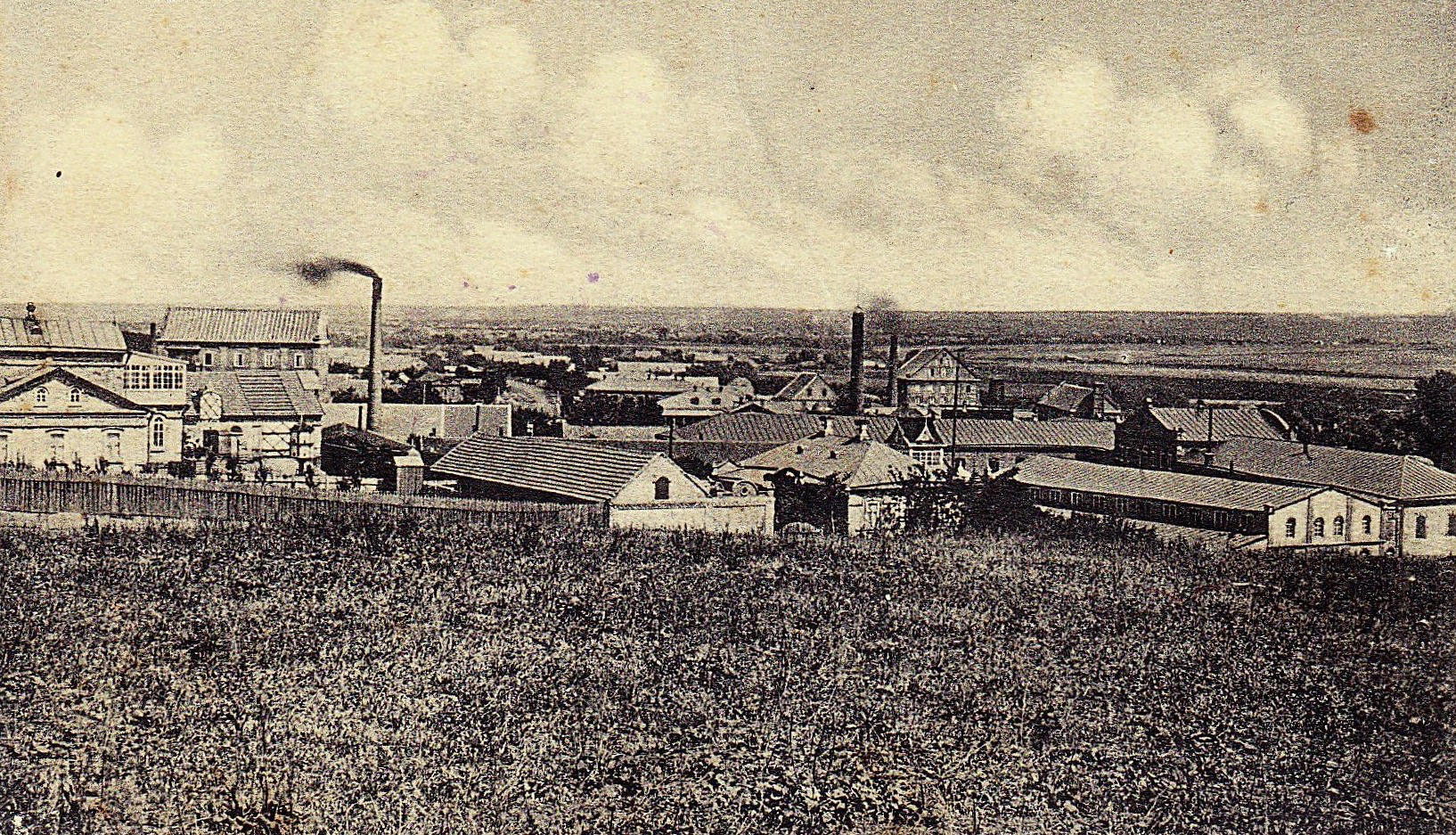
In 1889, German Mennonite families from the Khortytsia colonies purchased land along the Kryvyi Torets River in the Donetsk region from local nobility, establishing a central settlement named Niu-York alongside several surrounding daughter colonies. Grounded in peaceful Protestant traditions and high technical discipline, these Mennonite settlers brought advanced agricultural techniques, modern building standards, and significant capital to the Donbas steppes. Within a few short years, the agrarian colony transformed into an industrial hub.
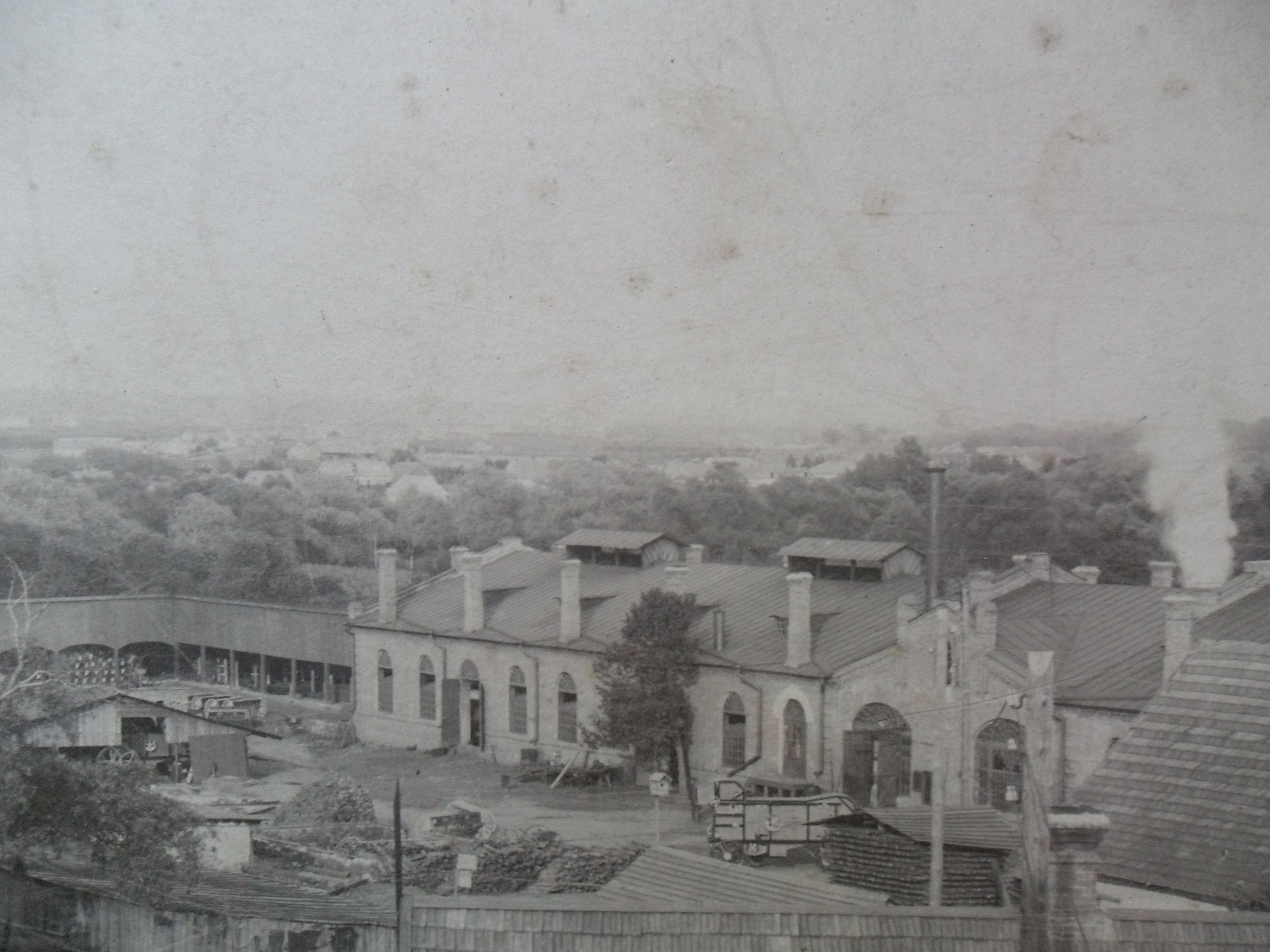
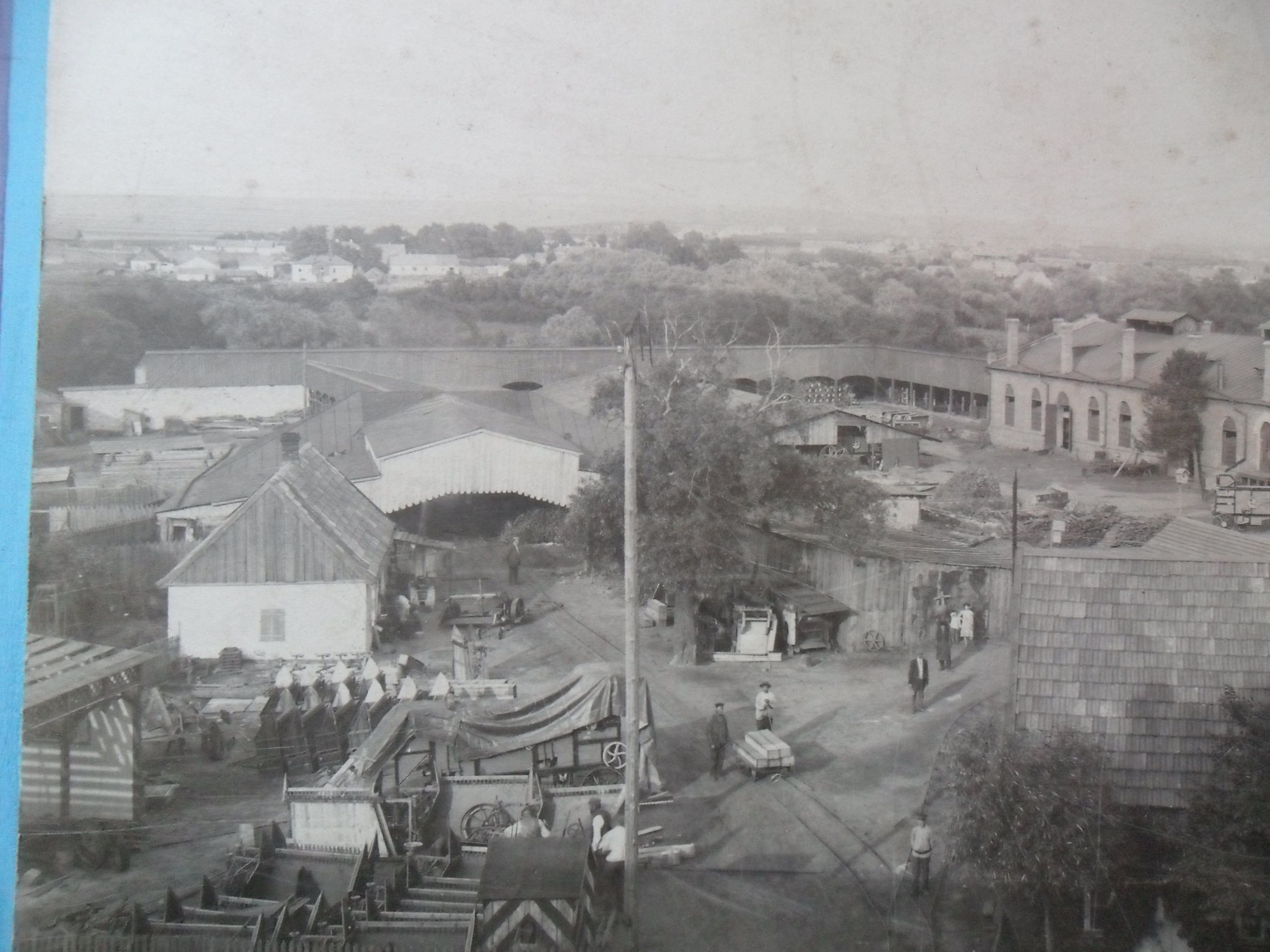
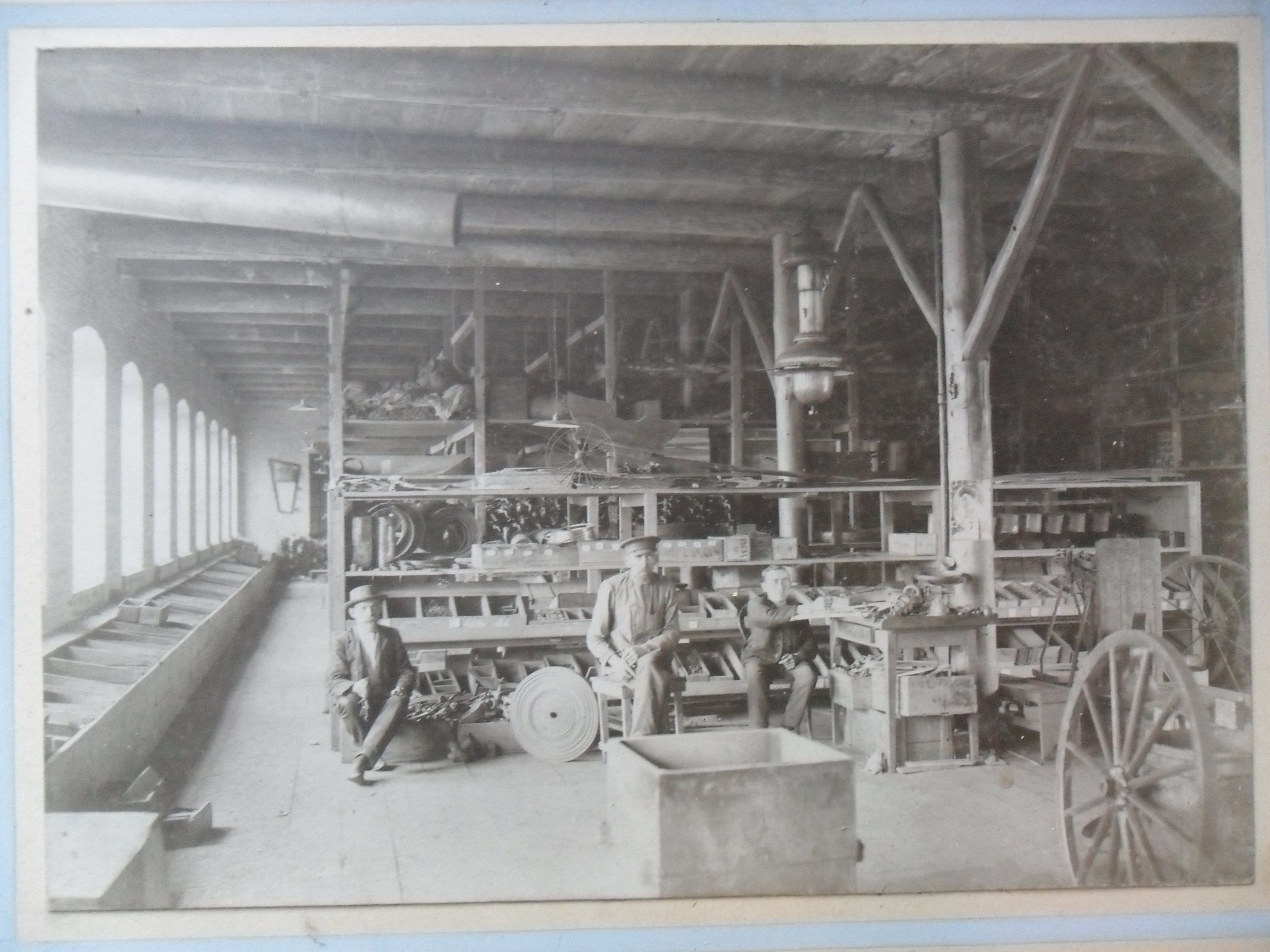
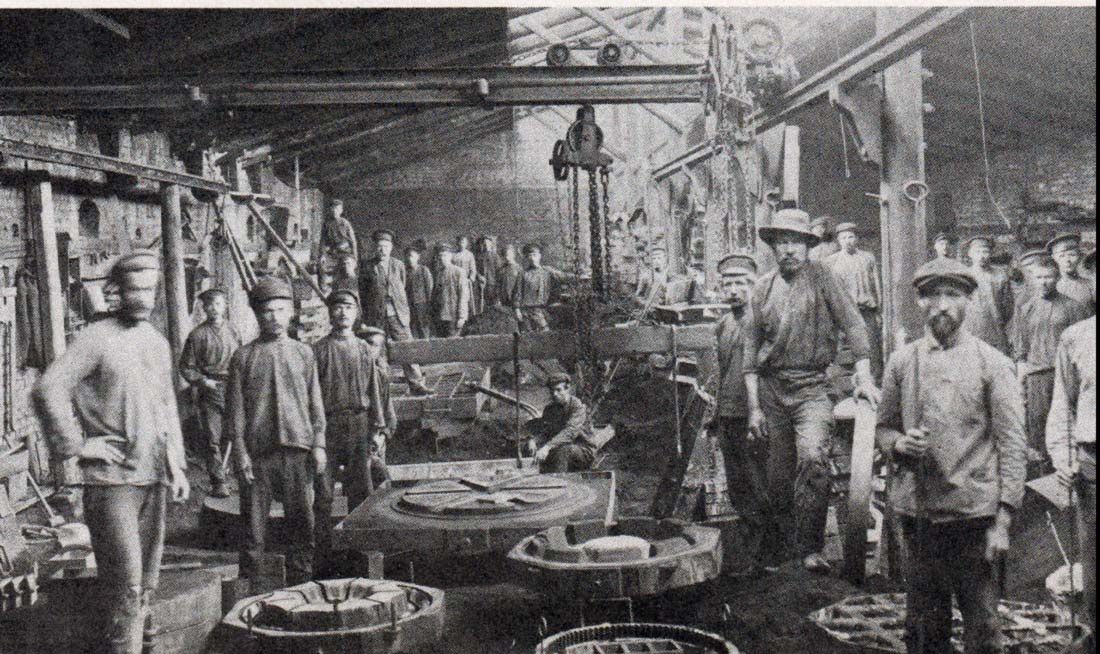
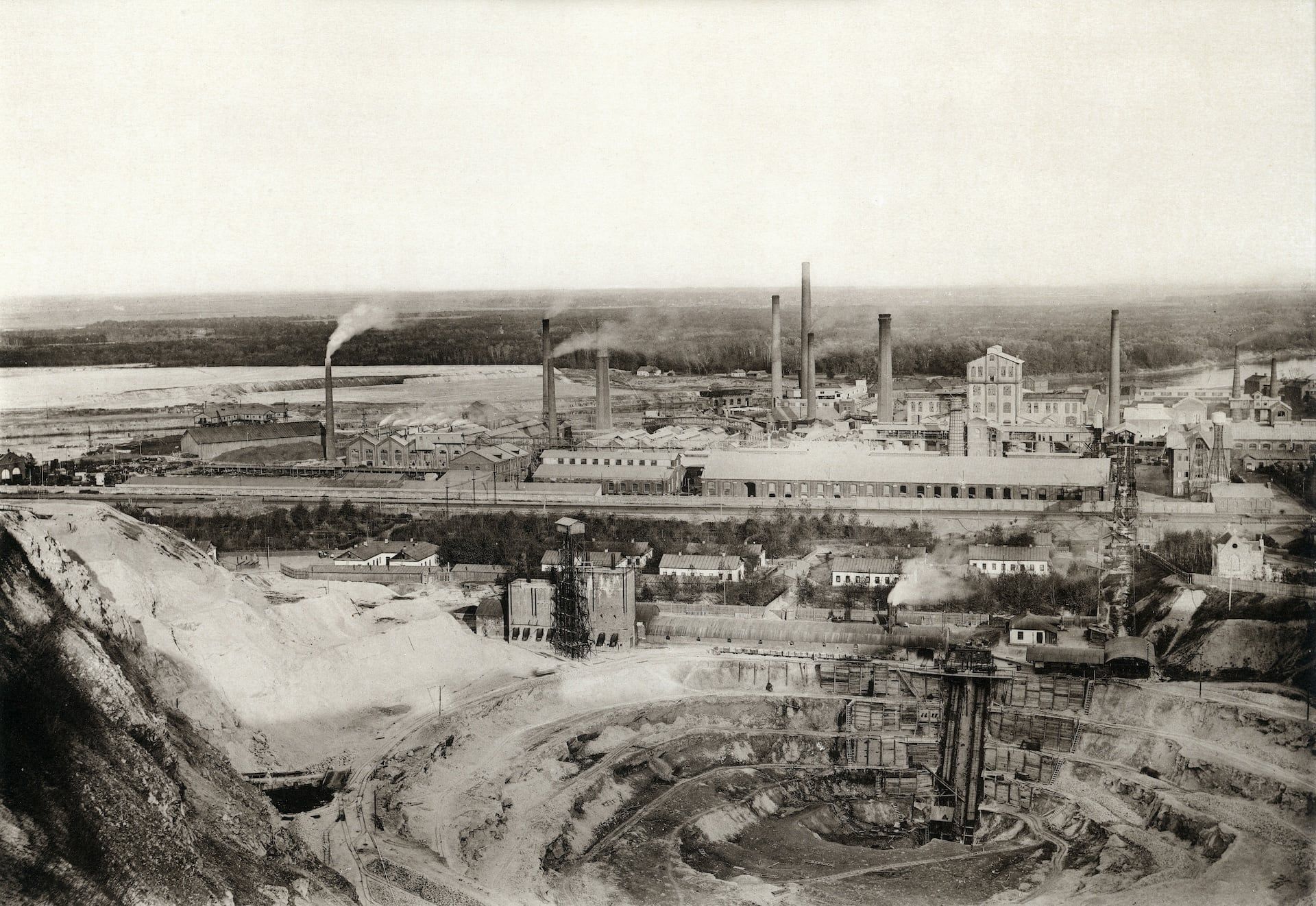
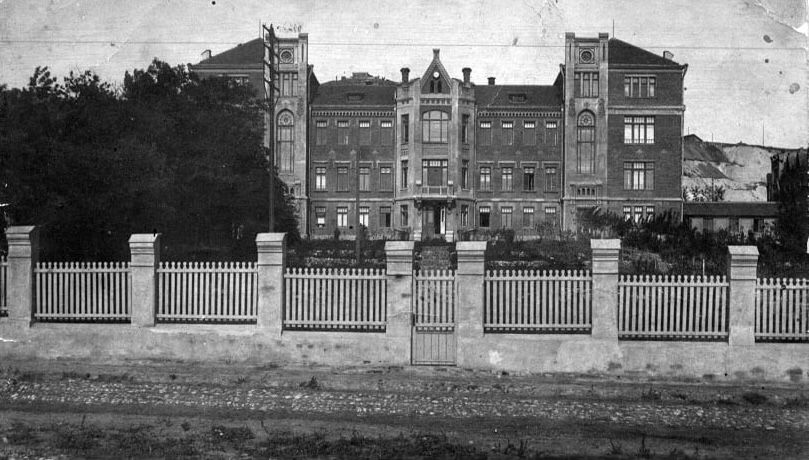
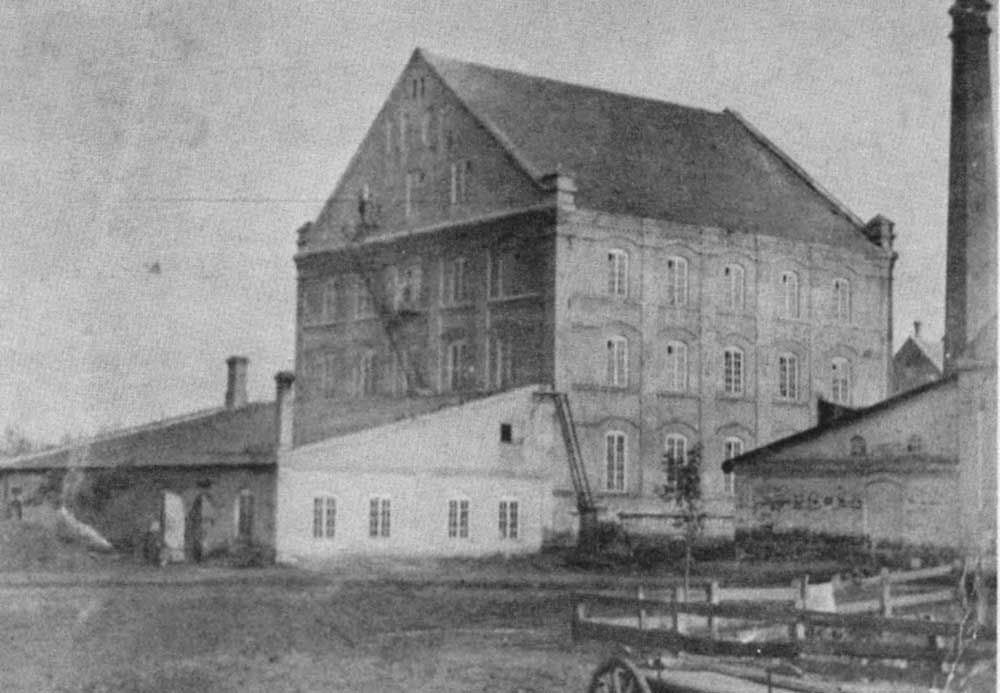
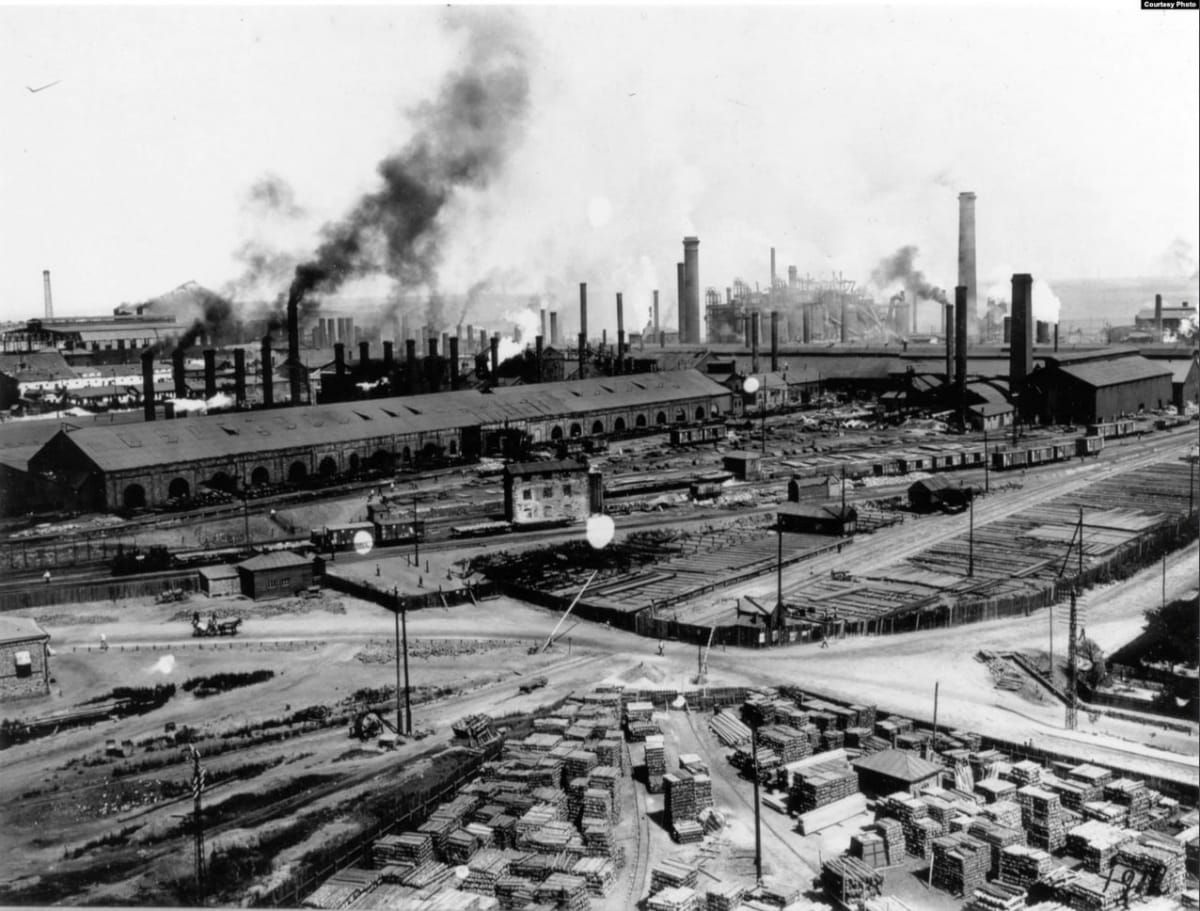
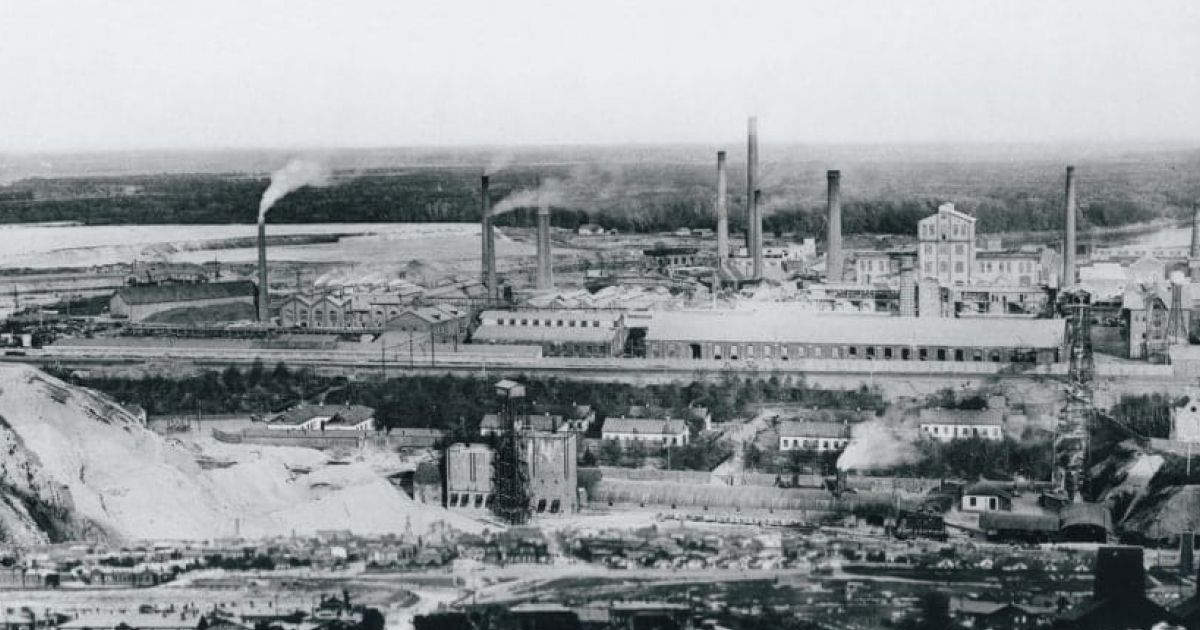
German entrepreneurs quickly built factories for agricultural machinery (such as Jakob Niebuhr’s plant), brickworks, tile works, foundries, and processing facilities. A central symbol of this industrial expansion was Peter Dick's steam mill. Built around the turn of the century alongside Dick's brick and tile enterprise, the multi-story red-brick steam mill represented the peak of modern milling technology in the region, processing grain for export while serving as a prominent landmark of Mennonite red-brick industrial architecture. The community also introduced orderly urban planning, building schools, bookstores, cooperative shops, and distinctive tile-roofed residences.
Following the 1917 revolution, the Mennonite community faced severe persecution, land nationalization, and eventual Soviet deportation during World War II. In 1951, Soviet authorities erased the town's historical name, renaming it Novhorodske to eliminate its Western association. Ukrainian parliament restored its historical name Niu-York in 2021 as part of a movement to reclaim the region's European identity. Tragically, Peter Dick's historic mill—one of the last surviving structural symbols of the town's Mennonite heritage—was heavily damaged and destroyed by Russian shelling in May 2022 during the full-scale invasion.