Lysychansk
48.9° N
38.4° E
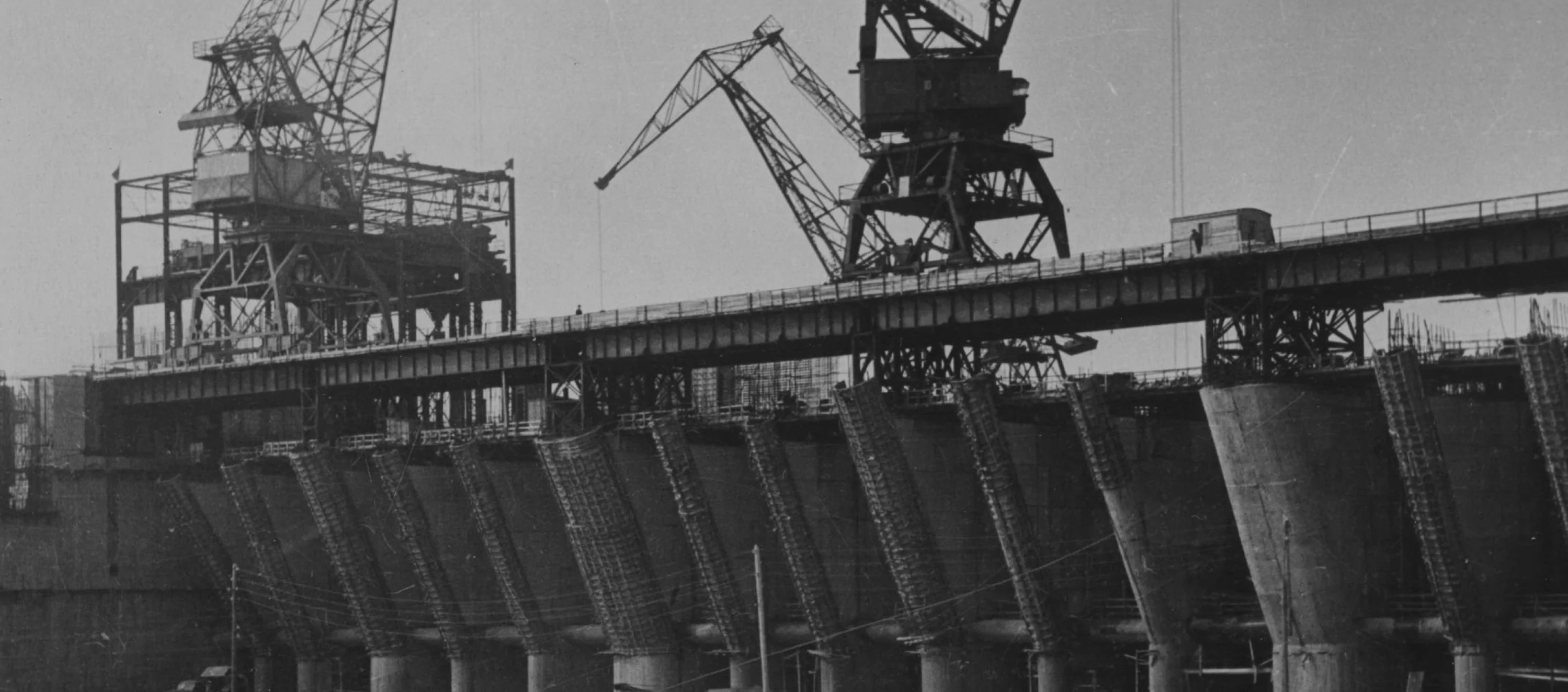
- Type
- Settlement
- Region
- Donbas
- Country
- UA
- Coordinates
- 48.8883, 38.4357
Known as the "Cradle of Donbas," Lysychansk is one of the region's oldest industrial cities, famous for hosting the first Donbas coal mine and a rich 19th-century Belgian architectural heritage.
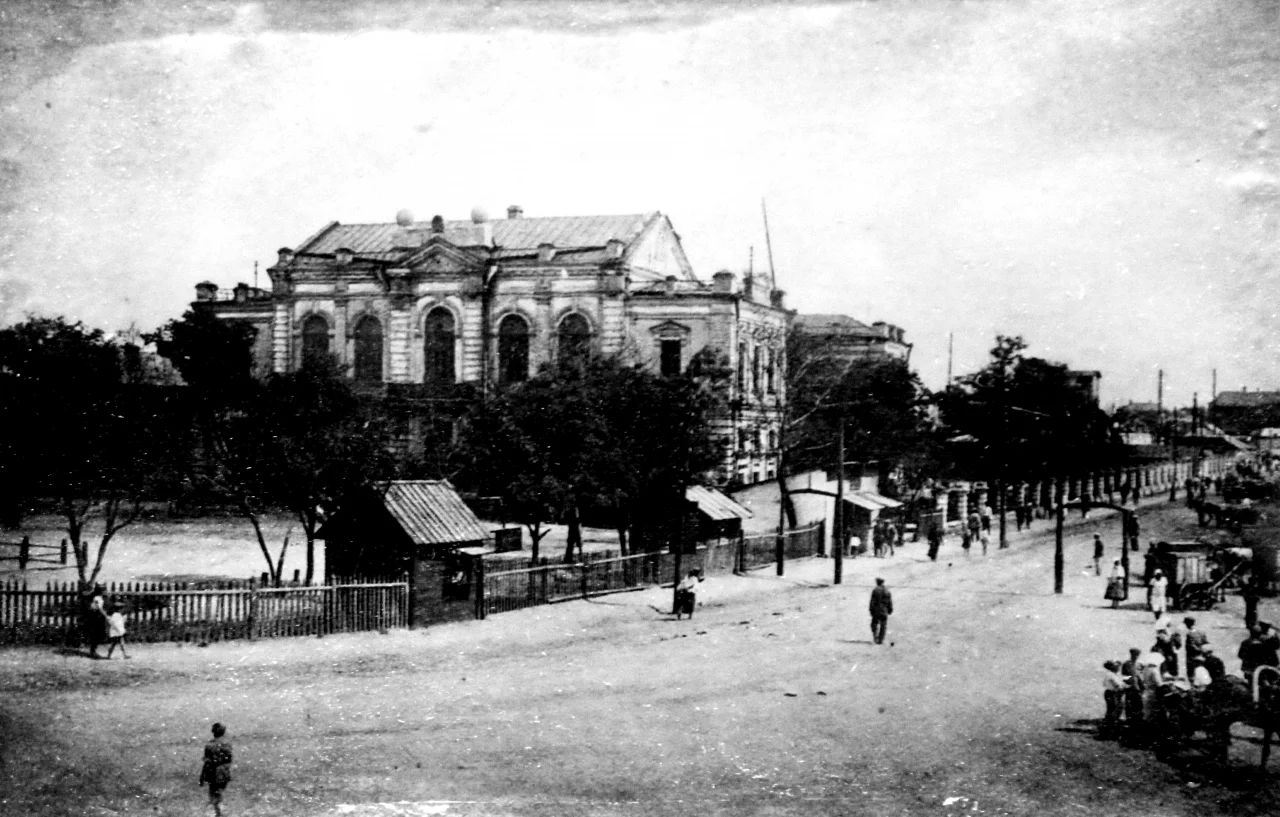
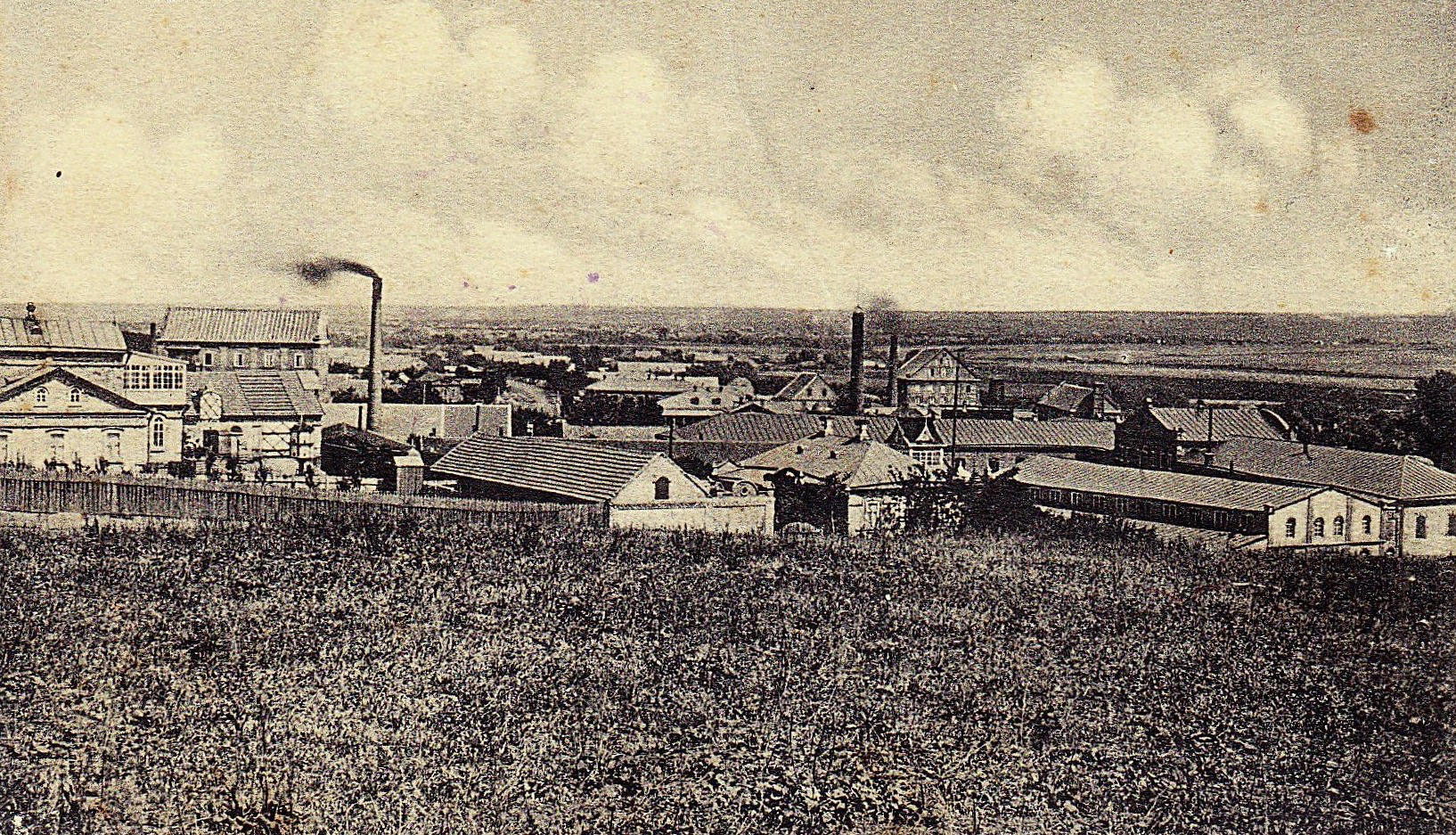
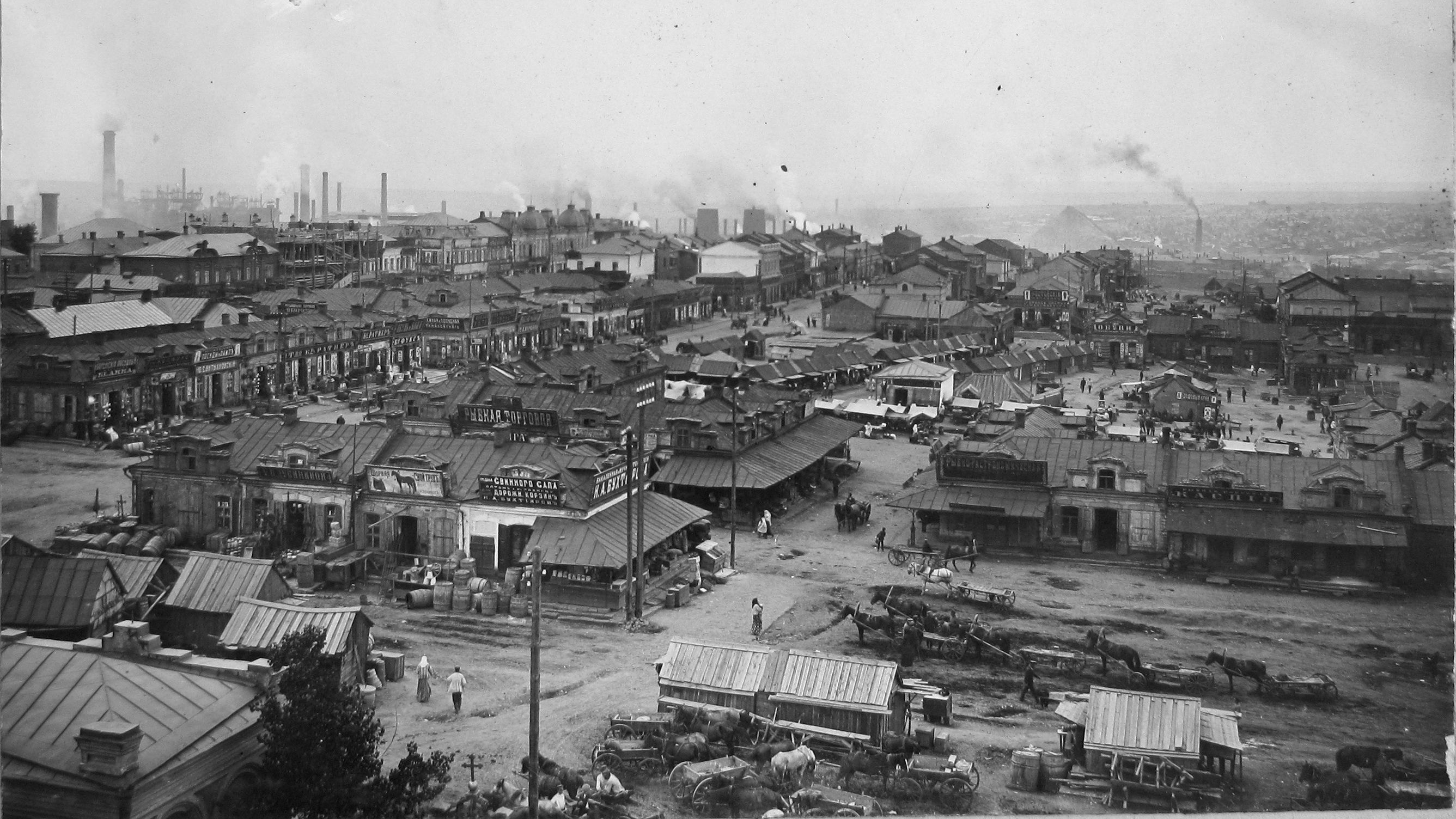
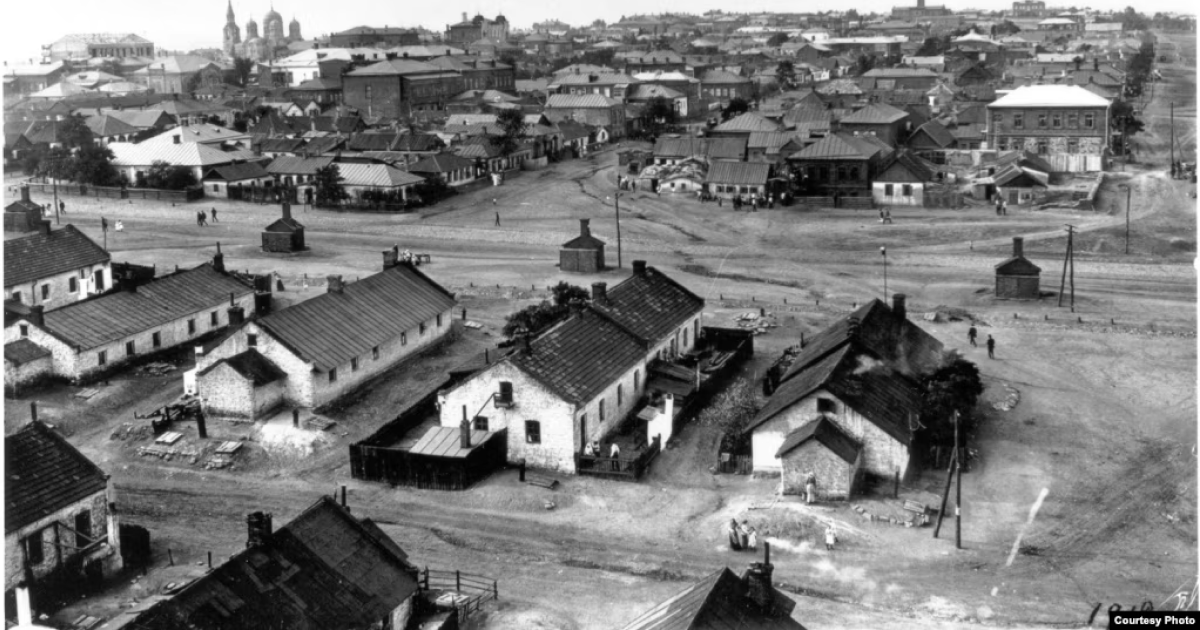
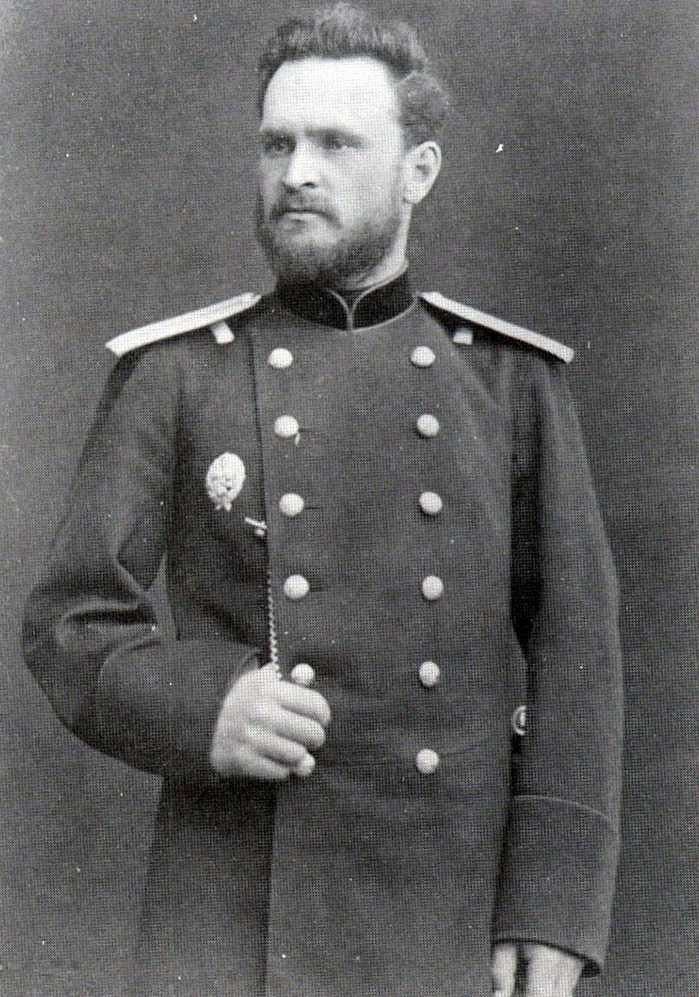
Founded in 1710 along the high banks of the Siverskyi Donets River, Lysychansk holds a singular place in Ukrainian history as the "Cradle of Donbas." It was here in the 1720s that the region's vast coal deposits were first discovered, leading to the establishment of the Donets Basin's very first industrial coal mine in 1795.
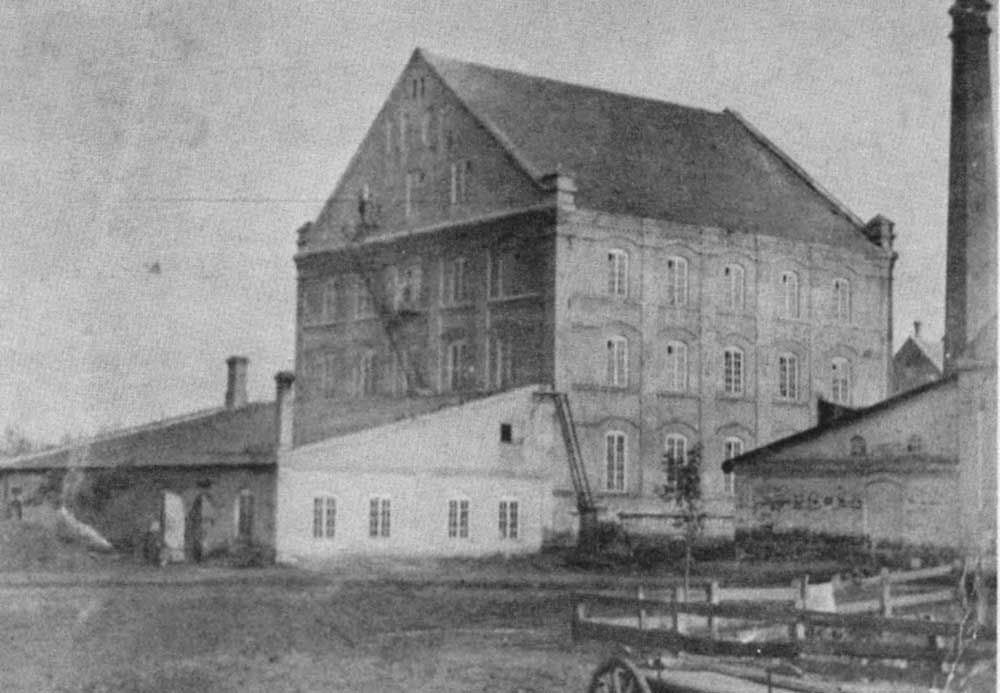
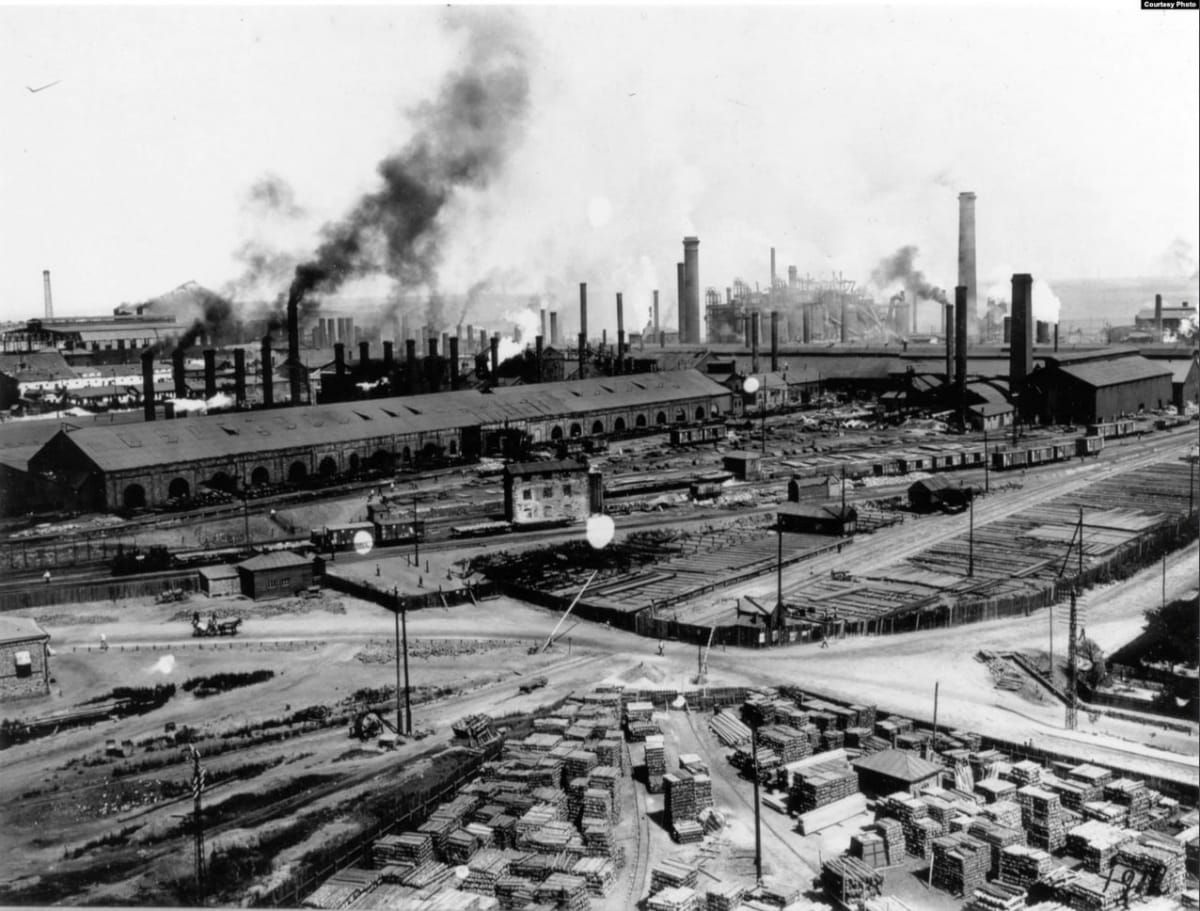
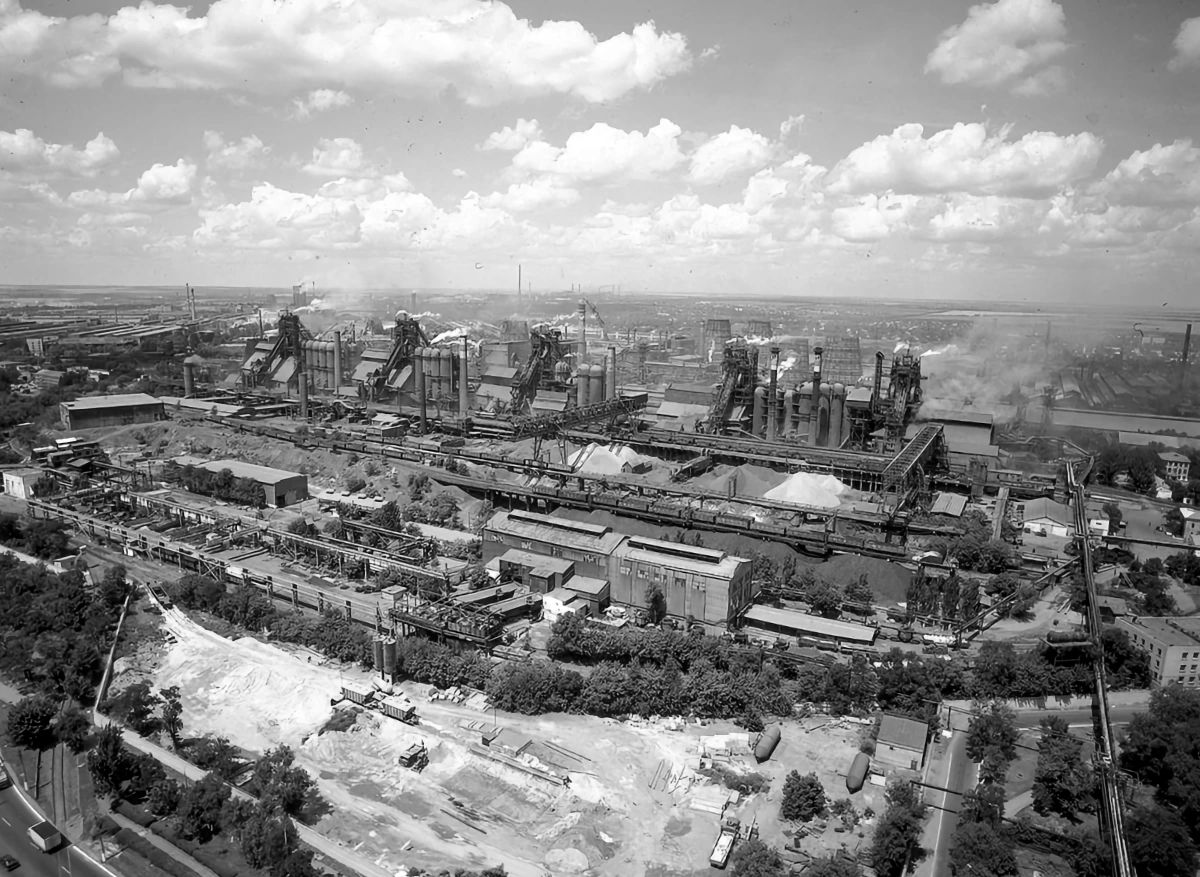
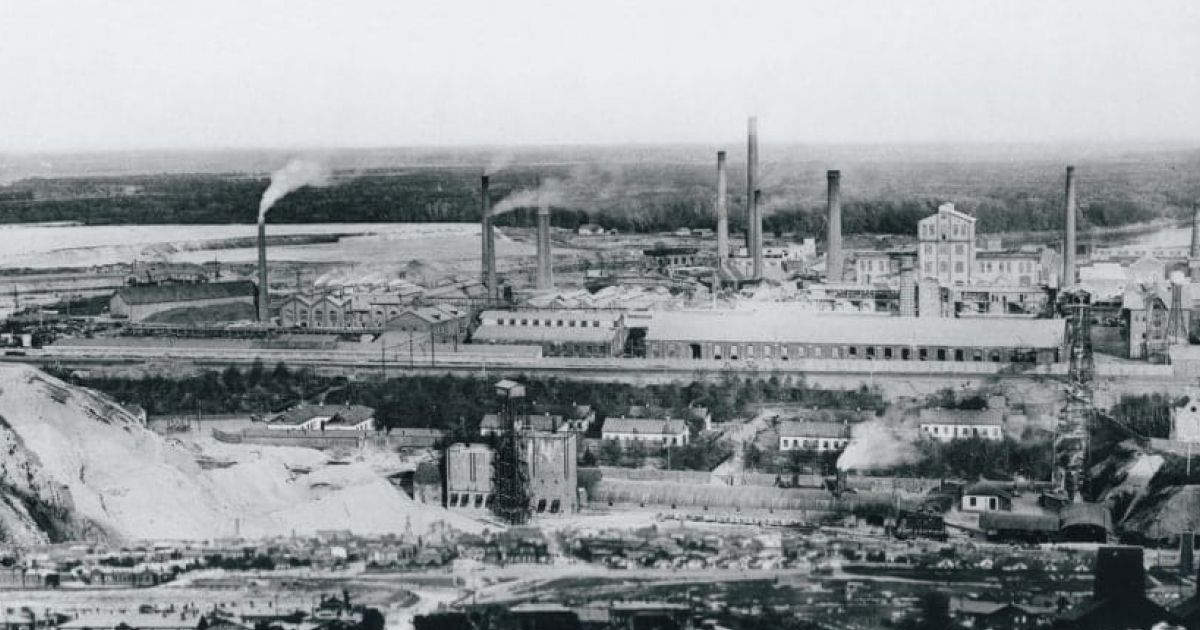
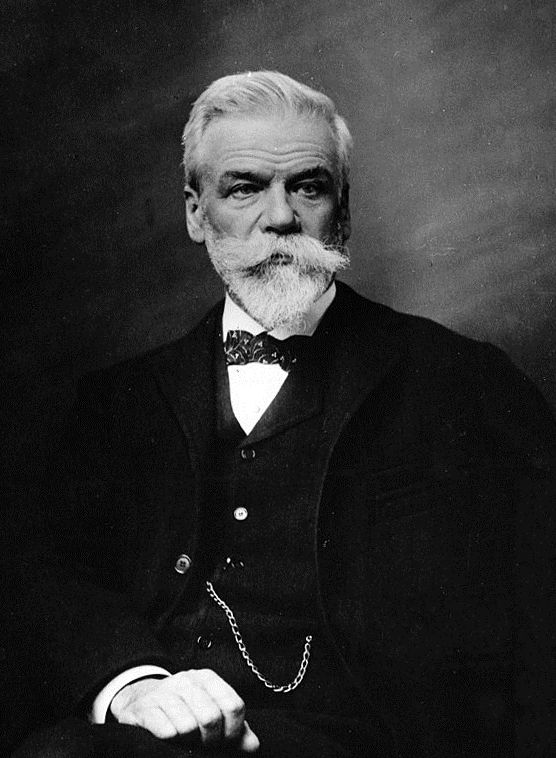
By the late 19th century, the city transformed into a thriving multicultural hub driven by heavy European investment. Belgian industrialist Ernest Solvay established a major soda plant in Lysychansk, alongside which European investors constructed dozens of red-brick public buildings, schools, and hospitals—earning Lysychansk recognition for holding the largest Belgian architectural heritage outside Belgium. Throughout the 20th century, the city expanded its industrial footprint to include glass production and one of Ukraine’s largest oil refineries.
Located in Luhansk Oblast, Lysychansk and its twin city, Sievierodonetsk, suffered catastrophic damage during the Russo-Ukrainian War. Following intense bombardment that destroyed much of its historic European architecture and modern infrastructure, the city fell under Russian military occupation in July 2022.
Gallery
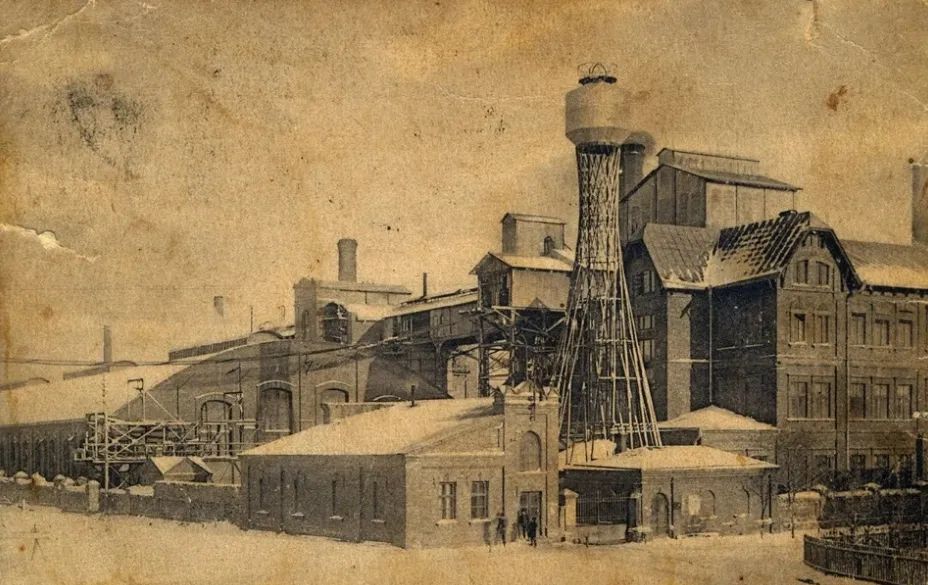
Lysychyansk soda factory
Related locations
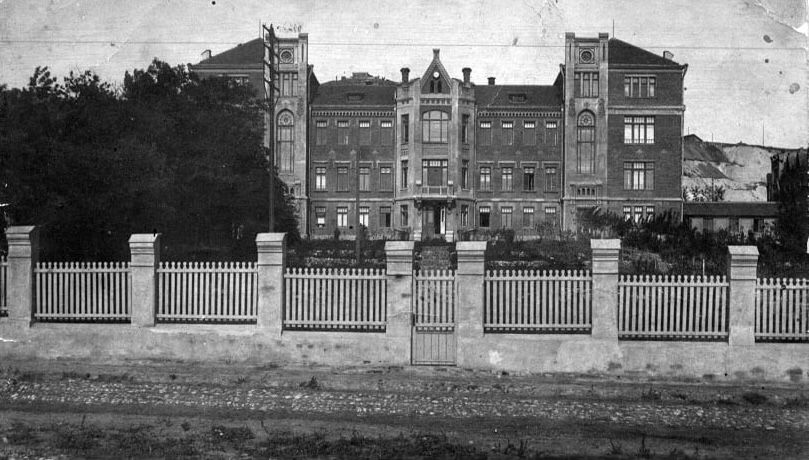
Soda Plant Hospital
donbasView locationBuilt in 1911 in the Art Nouveau style by architect Yuliy Tsaune, the historic Lysychansk soda factory hospital—a red-brick landmark of the city's European heritage—now stands abandoned and rapidly deteriorating despite efforts by local activists to save it.
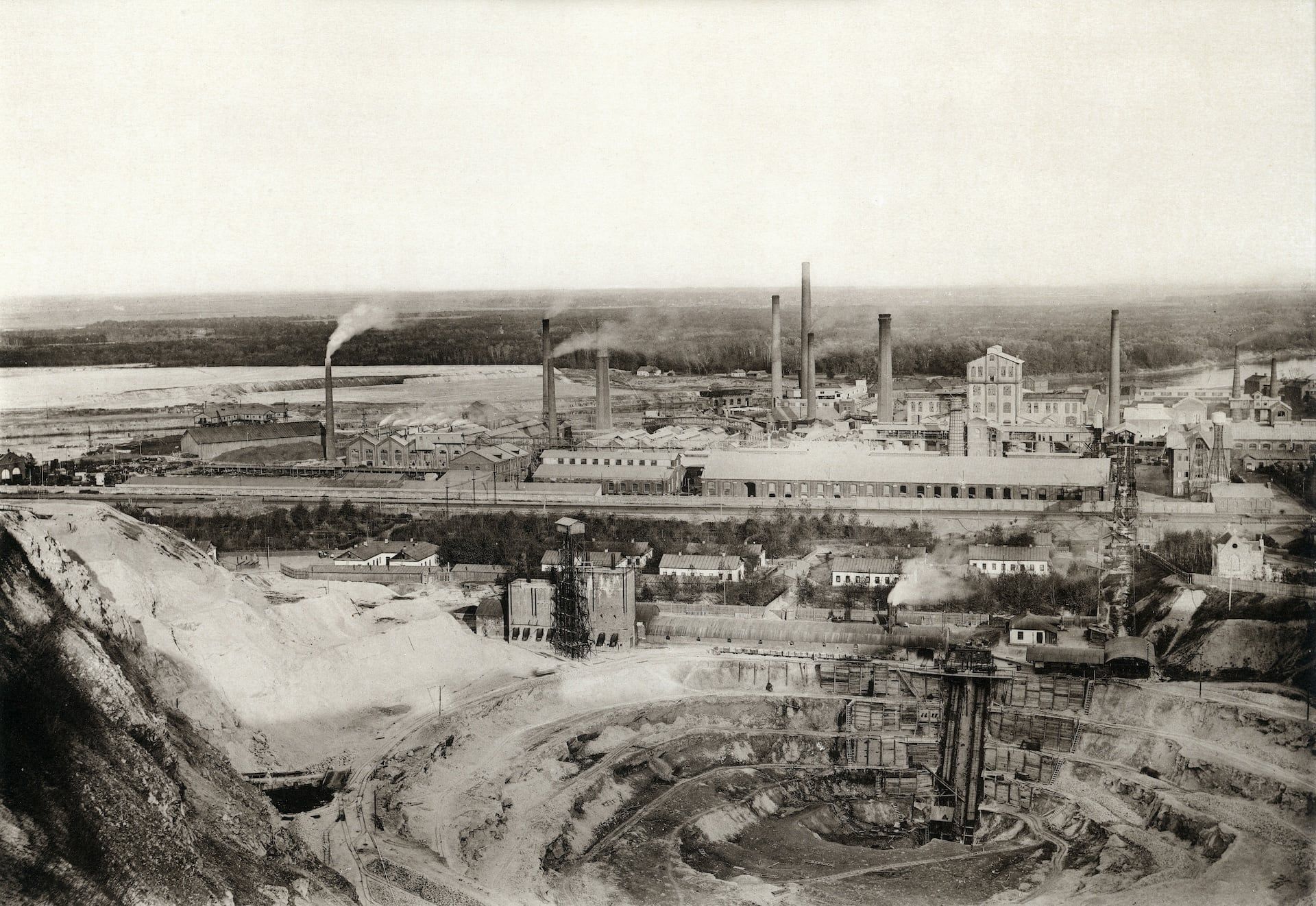
Donetsk Soda Plant
donbasView location«Donetsk Soda Plant» was founded in 1892 by the Belgian industrialist Ernest Solve. More than 30 objects of Belgian architectural heritage were found around Donsoda. Near the factory at the beginning of the 19th century. a small town was built with all the infrastructure, part of the buildings remained at the beginning of the full-scale Russian invasion.