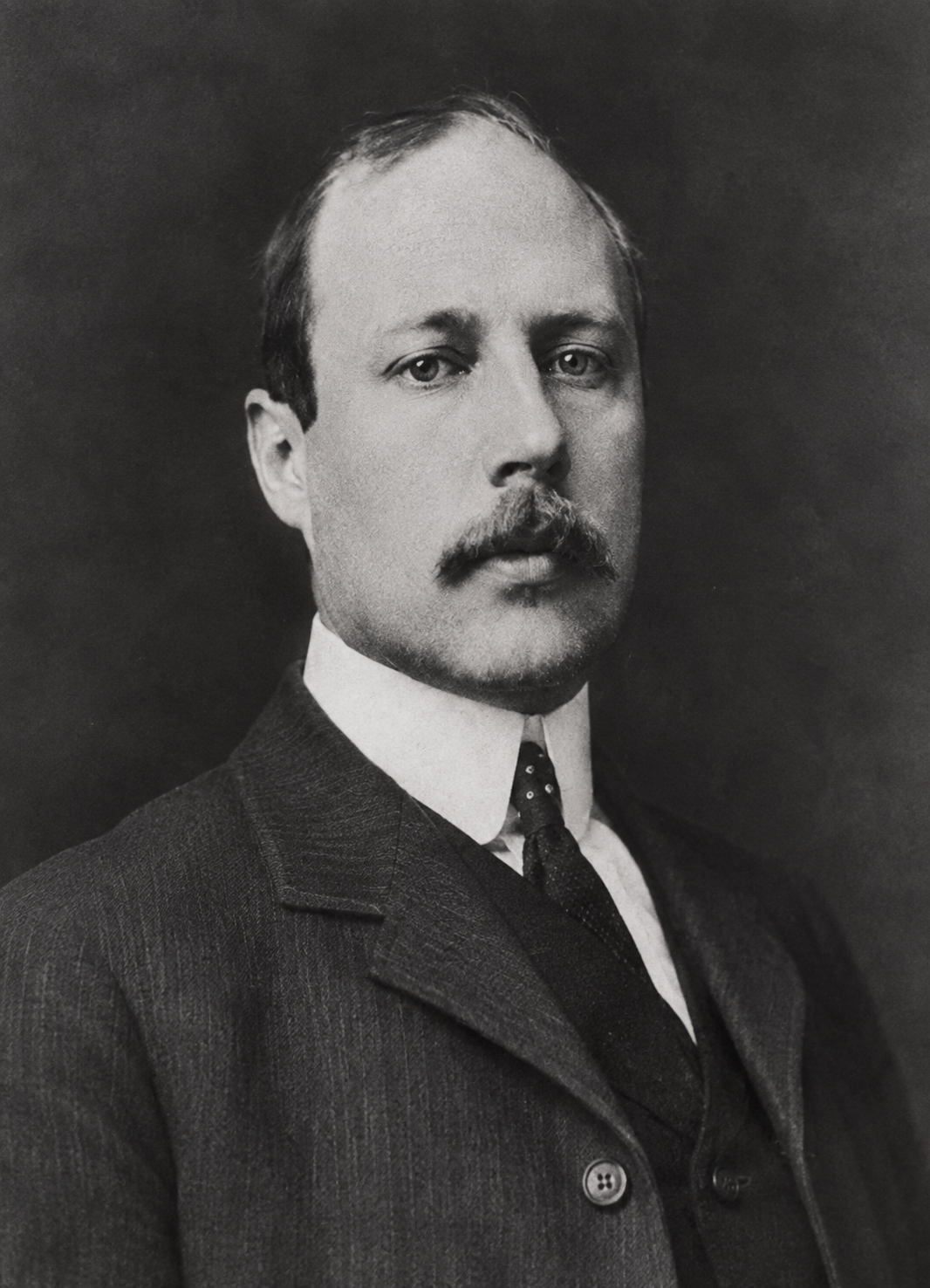
Henry Laud
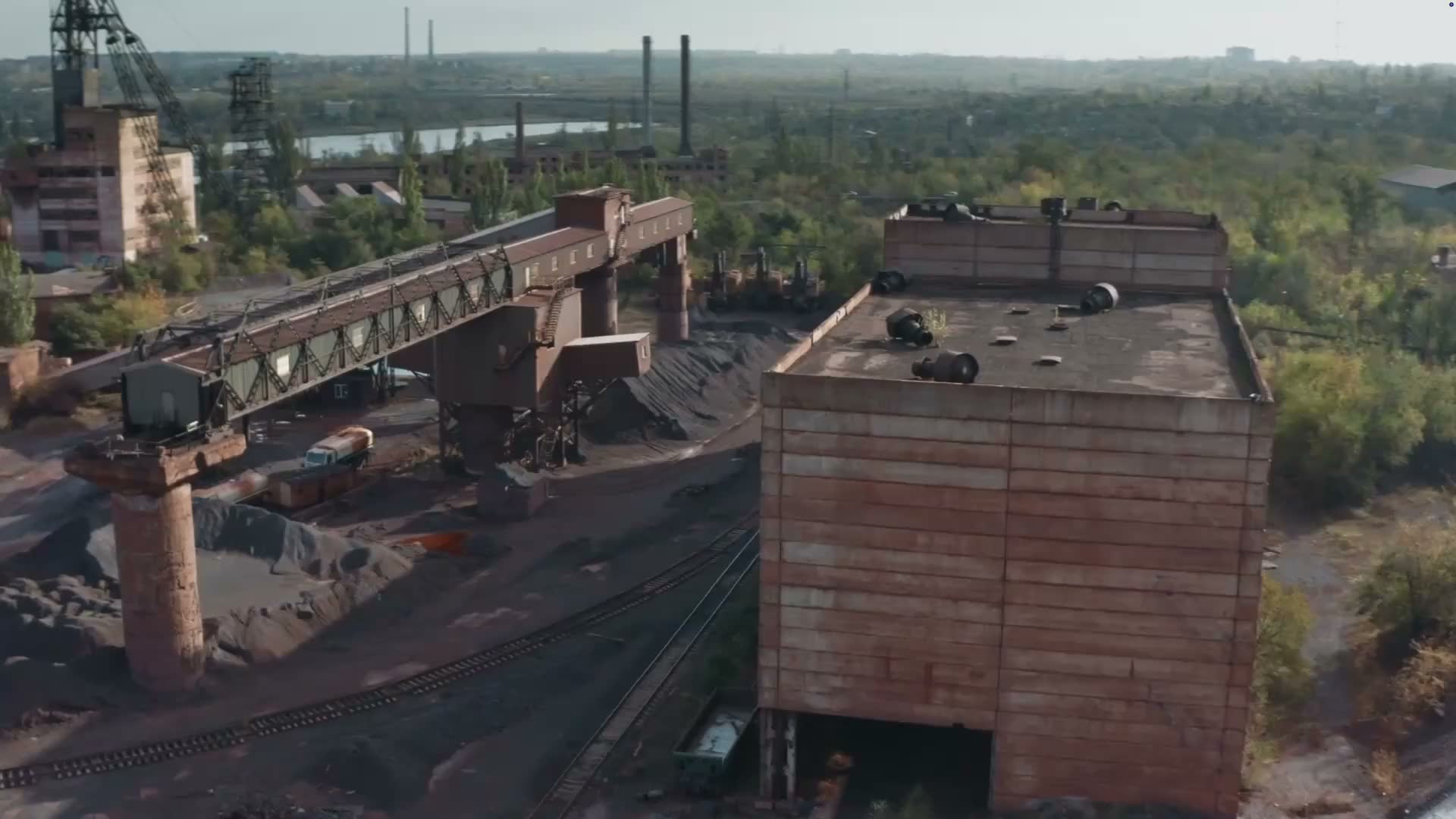
In the spring of 1896, the newly formed Nikopol-Mariupol Mining and Metallurgical Society—established by American industrialist Edmund Smith and European financiers—purchased a complete, modern pipe-rolling plant in Seattle, Washington. To realize this ambitious engineering transfer, the enterprise hired American engineer Henry Laud to supervise the factory's relocation and oversee its initial operations on Ukrainian soil.
In June 1896, Henry Laud arrived in the port of Mariupol via steamship alongside his large family and a crew of specialized American technicians. Over the following months, multiple cargo ships delivered the dismantled Seattle factory's heavy equipment, steam engines, and rolling machinery directly to the Azov coast. Under Laud’s direct supervision, the complex was reassembled on the northern outskirts of Mariupol and officially commissioned in October 1896. Named the Nikopol Plant, it specialized in manufacturing seamless steel pipes for oil pipelines, boilers, and industrial infrastructure, becoming one of the most technologically advanced facilities in the region.
Laud served as the operational backbone of the site during its critical startup phase, training local workers and establishing American industrial practices. Built adjacent to the Belgian-backed "Russian Providence" plant (co-founded by Oleksiy Alchevsky), the Nikopol plant transformed Mariupol into a metallurgical powerhouse. Following Soviet nationalization, the Nikopol and Russian Providence facilities were merged into the massive Ilyich Iron and Steel Works, anchoring a global industrial identity whose roots trace directly back to Laud's engineering feat in 1896.
Associated locations
View all →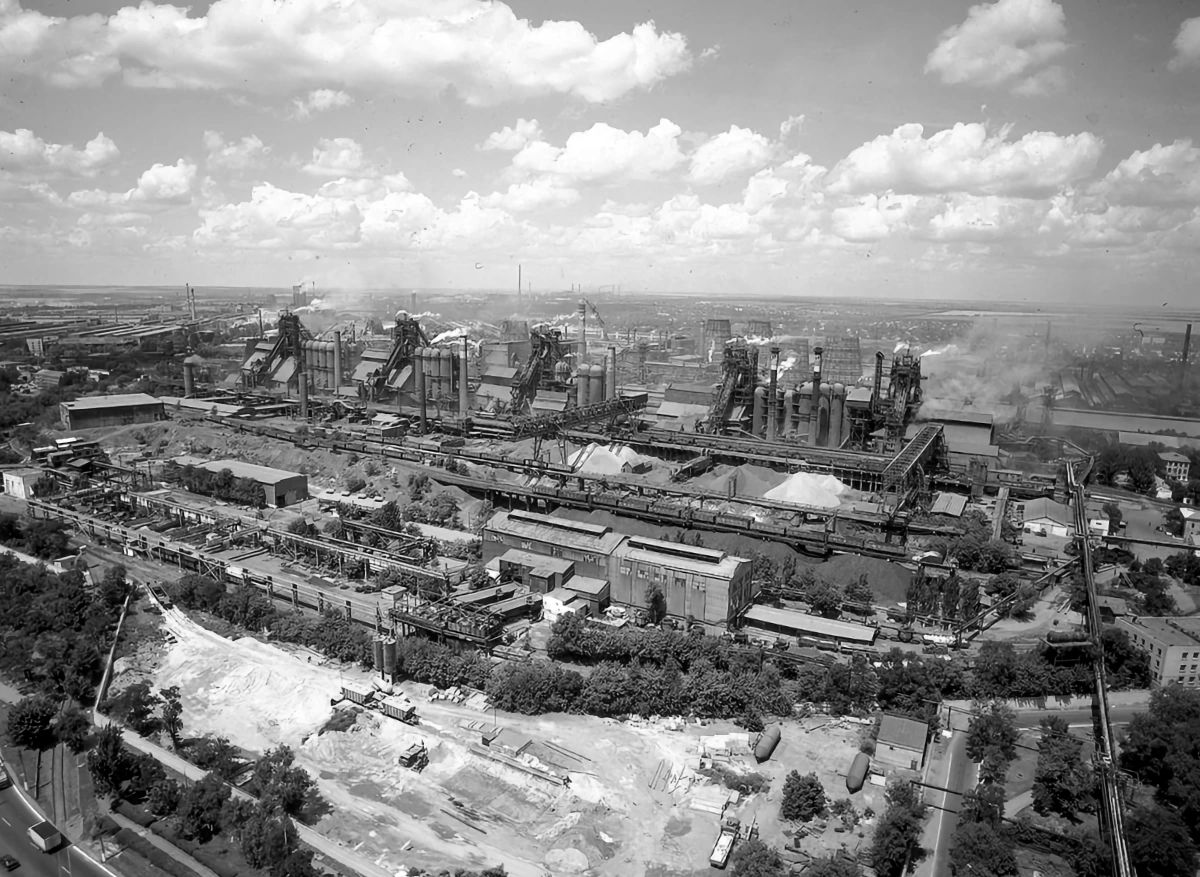
Illich Steel and Iron Works
WorkplaceFounded in 1897 by Belgian industrial interests, the "Russian Providence" metallurgical plant in Mariupol was a modern European enterprise that was later nationalized by the Soviets and merged into the iconic Ilyich Steel and Iron Works.
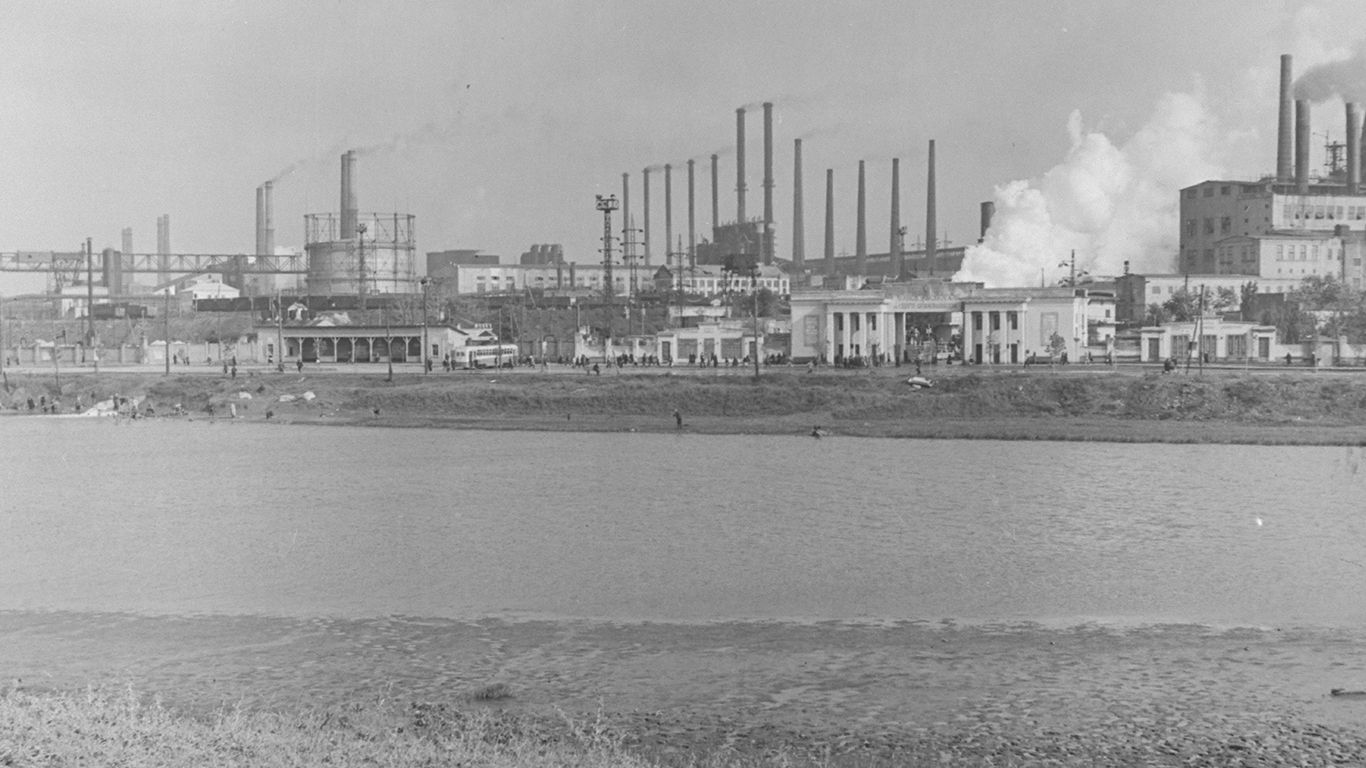
Mariupol
WorkplaceSituated on the Sea of Azov, the port city of Mariupol grew into a global metallurgical powerhouse in the late 19th century through state-of-the-art American machinery and Belgian-backed industrial enterprises.
Biographical record
- Key enterprises
- Nikopol plant
Documented in films
View all →- Subject
EuroKryvbas
2026 · 71 min · DocumentaryThe documentary film "EuroKryvbas" updates Soviet myths and reveals that more than a century ago, the Dnipro region was an integral part of the European economy.
View film