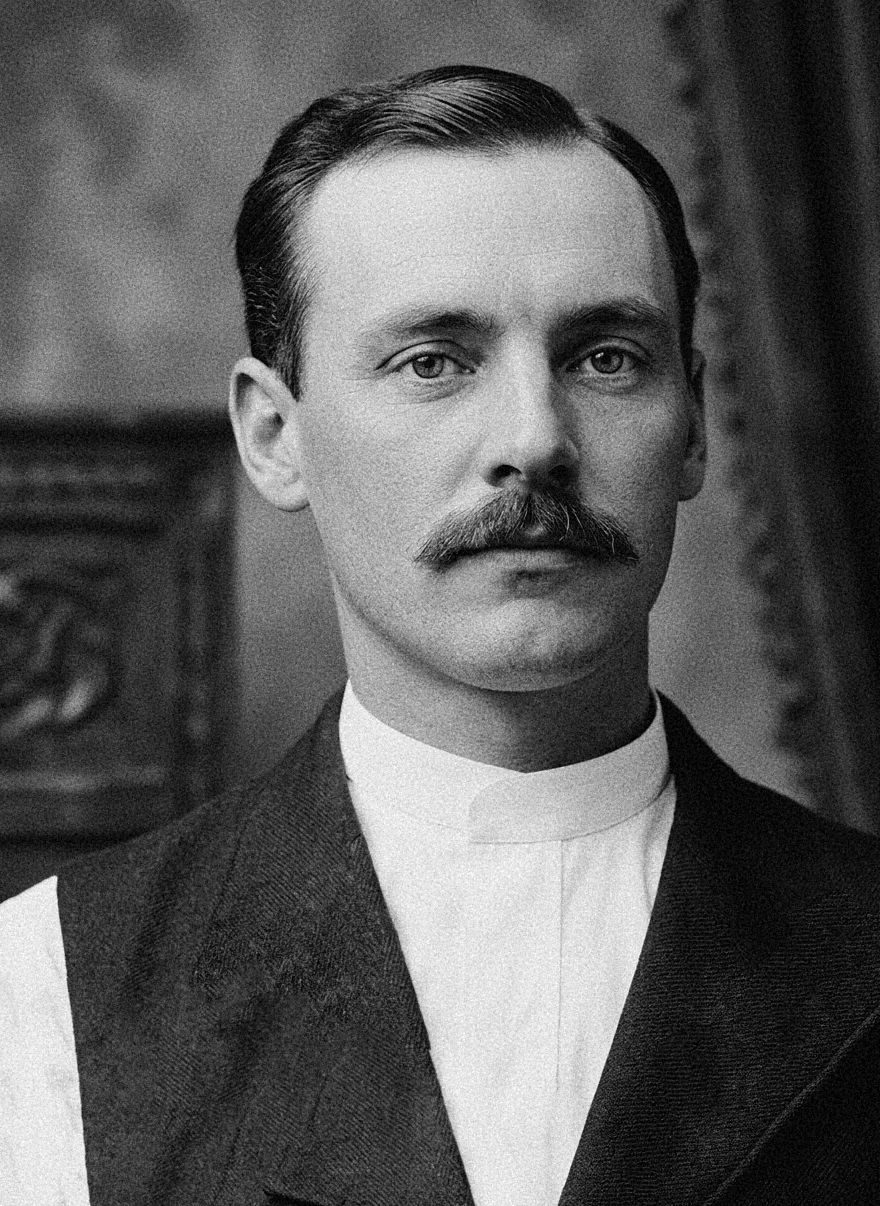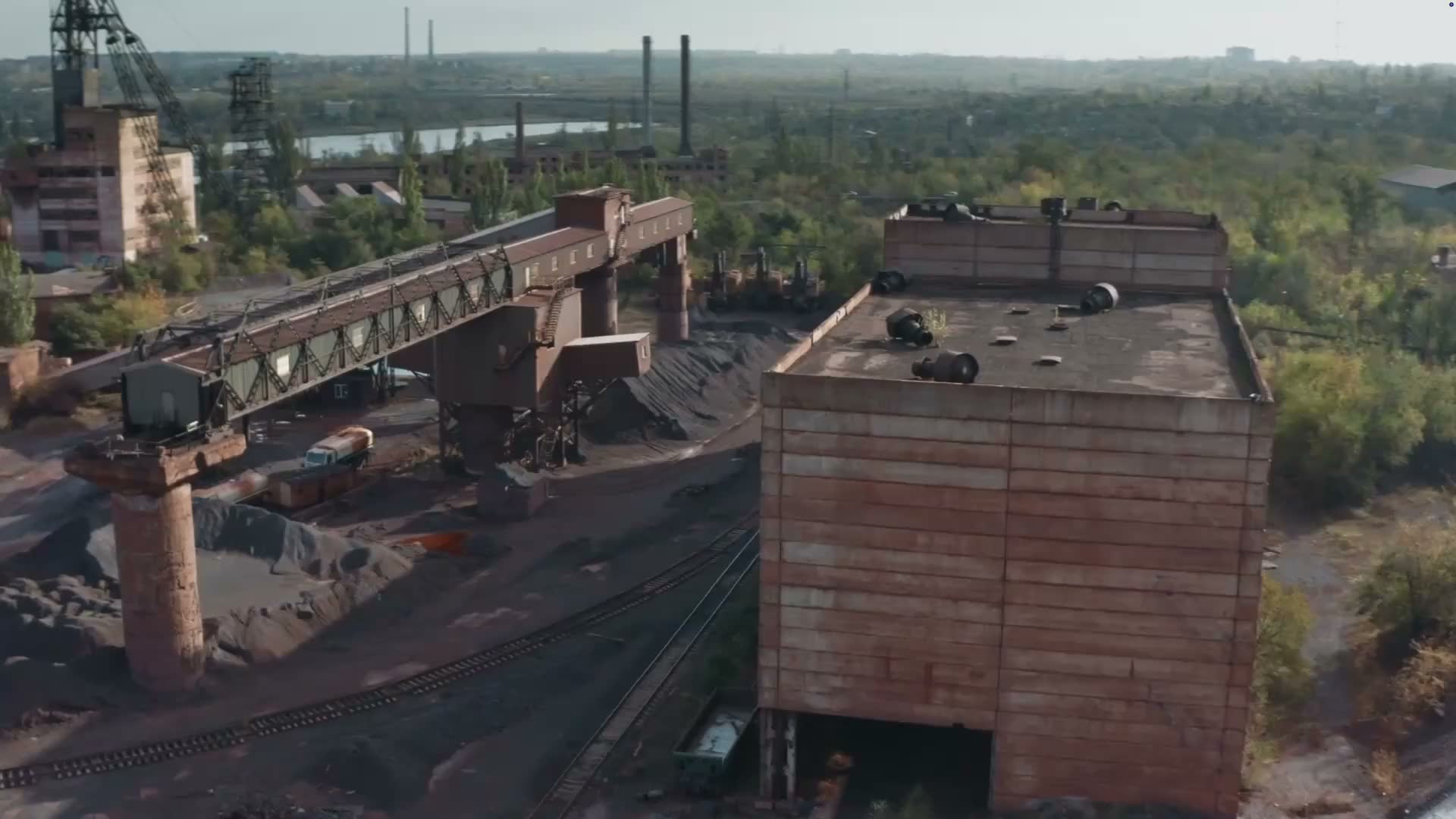
EuroKryvbas
The documentary film "EuroKryvbas" updates Soviet myths and reveals that more than a century ago, the Dnipro region was an integral part of the European economy.
Synopsis
The feature-length documentary "EuroKryvbas" (2026), directed by Maryna Tkachuk and Anna Palenchuk, powerfully refutes decades of Soviet and imperial myth-making by revealing that Ukraine’s industrial heartland was deeply integrated into the European economy more than a century ago. Serving as a direct thematic sequel to the critically acclaimed 2022 documentary Eurodonbas, this film shifts its focus toward the Dnipro region, exploring the rapid late-19th and early-20th-century development of major cities like Dnipro, Kryvyi Rih, and Kamianske.
Driven by a boom in rare earth minerals and iron ore, these centers of industry did not emerge from Soviet planning, but were instead built through an extraordinary international effort fueled by British and French capital, Belgian transit systems, German engineering, and Polish labor. By weaving together rare archival footage, expert historical analyses, and moving interviews with international experts and descendants of early European settlers across Ukraine, Poland, and Canada, the film exposes how the Soviet Union systematically erased these Western roots, renaming towns and rewriting history to fabricate a narrative of exclusive dependency on Moscow.
Today, as these very same factories, historic buildings, and mines sit precariously close to the frontlines of Russia's ongoing invasion, the historical narrative becomes an active site of resistance. Produced by 435 Films and Be Brave Films, the 71-minute documentary transcends mere historical retrospective to address the urgent modern necessity of decolonization and the preservation of cultural memory. By showcasing architectural monuments and corporate legacies that are now facing literal destruction from modern warfare, "EuroKryvbas" underscores that Ukraine's current fight for survival is intrinsically tied to reclaiming its true, deeply embedded European identity.
Selected for the Odesa International Film Festival, the film serves as both a warning against the silencing of history and a celebration of an industrial legacy that refuses to be forgotten.
Film record
- Year
- 2026
- Duration
- 71 min
- Original language
- Ukrainian
- Production studio
- 435 Films, Be Brave Films
- Genre
- Documentary
- Awards & honours
- Selection: Odessa Film Festival
Stills
Backstage
Euro Kryvbas: Multicam shoot Euro Kryvbas: Shooting on location
Filming geography
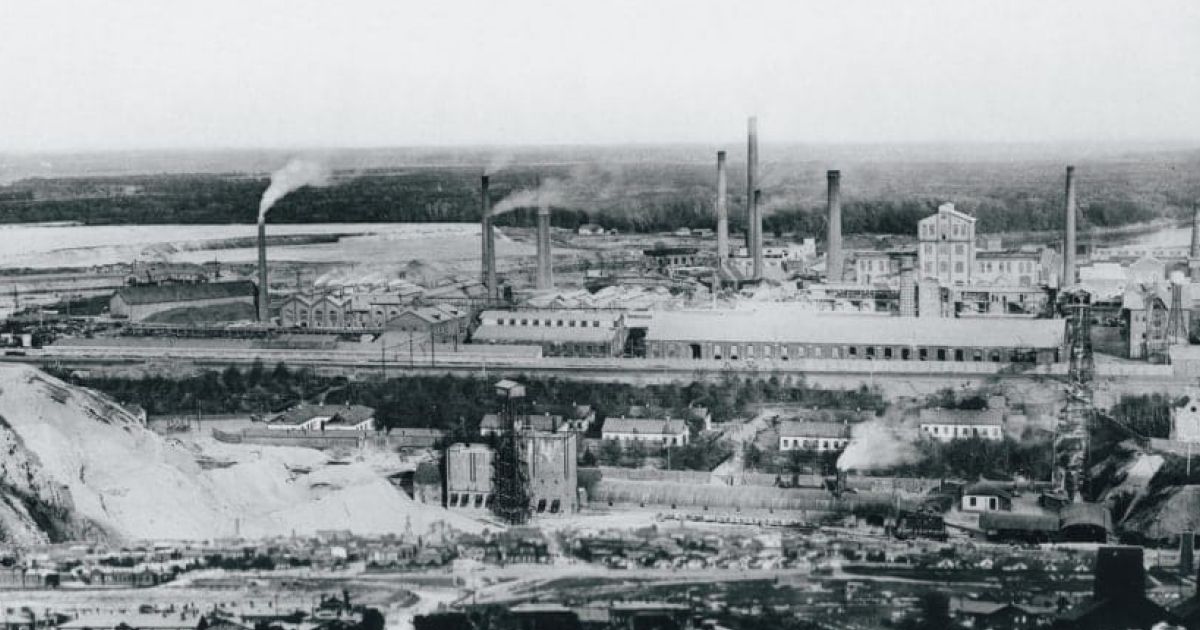
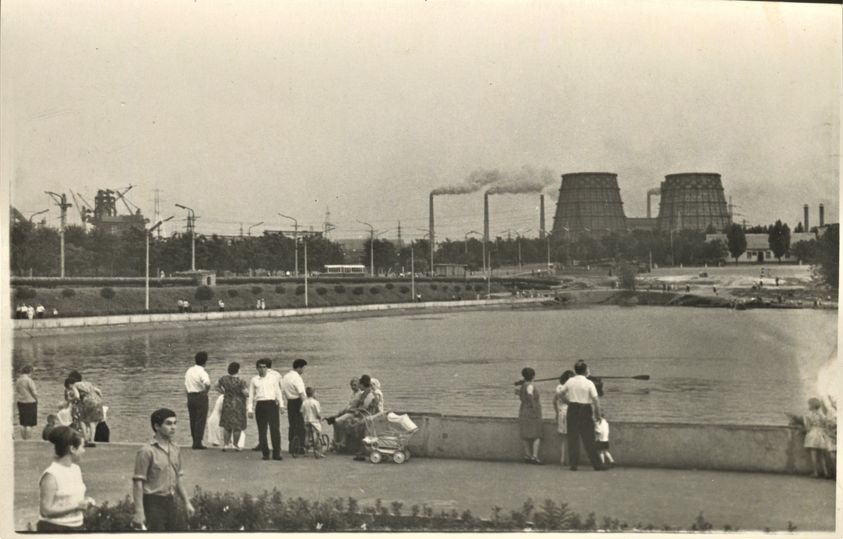
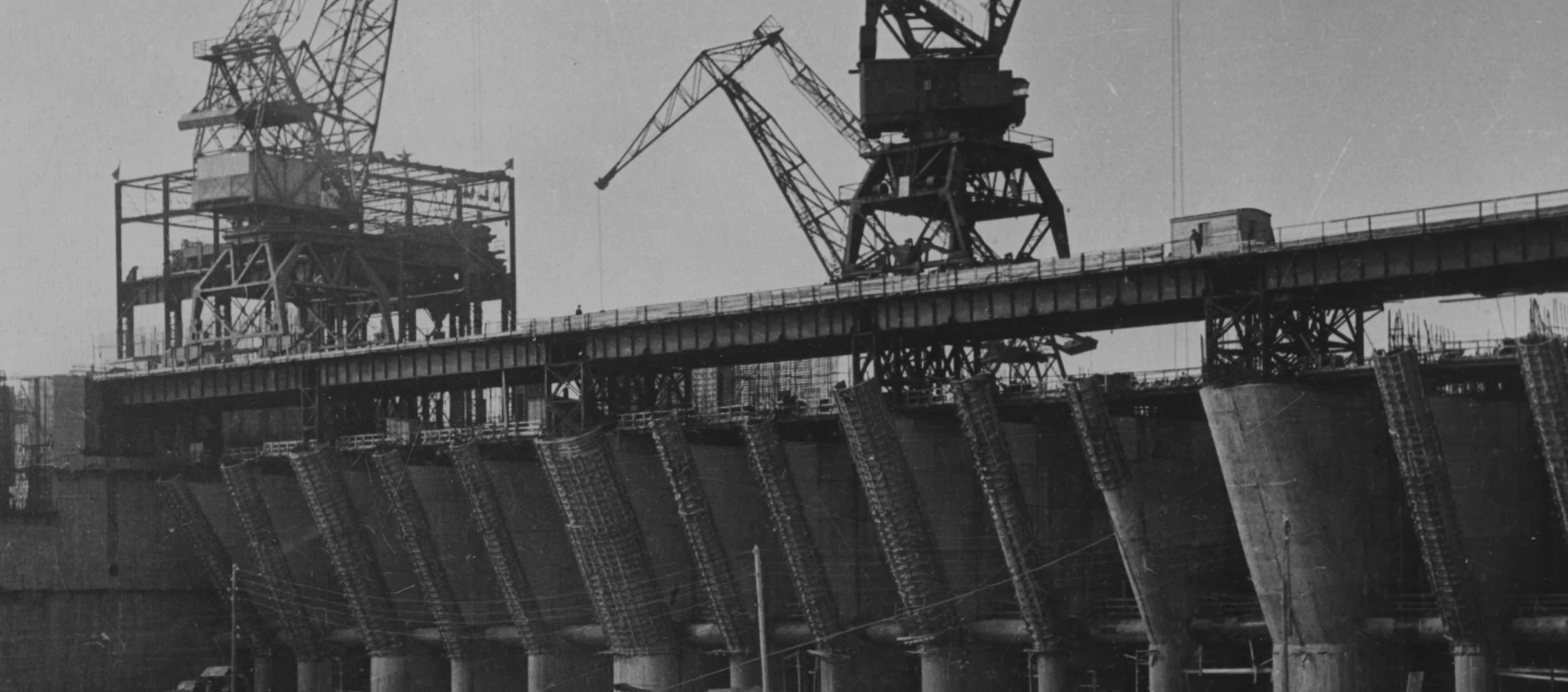
Locations
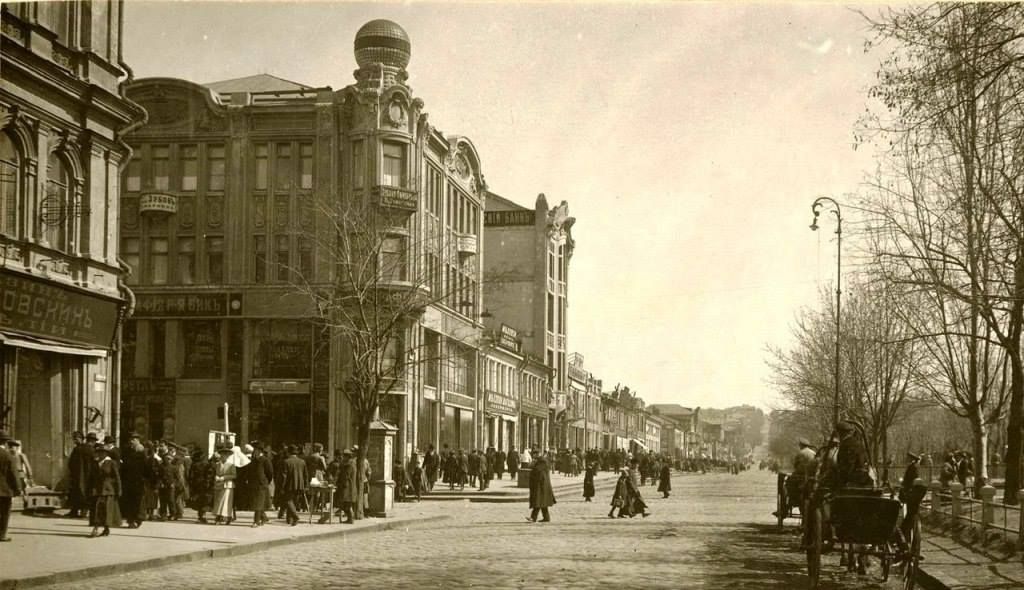
Dnipro
Known in the late 19th century as the "Manchester of the South," Dnipro (then Katerynoslav) served as the financial, logistical, and administrative headquarters for Western European capital, uniting Kryvbas iron ore with Donbas coal via French, Belgian, and German-financed infrastructure.
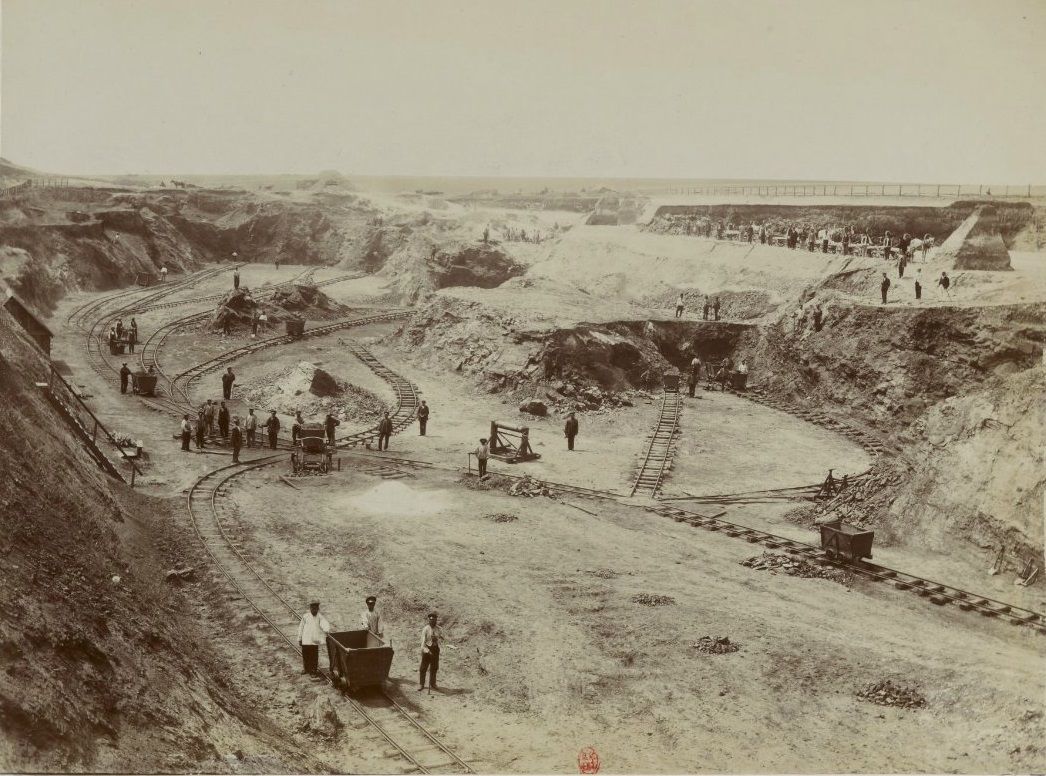
Kryvyi Rih
Forged in the late 19th century through French and Belgian capital, Kryvyi Rih transformed from a tranquil steppe settlement into an international mining superpower, driven by vast iron ore quarries and European engineering.
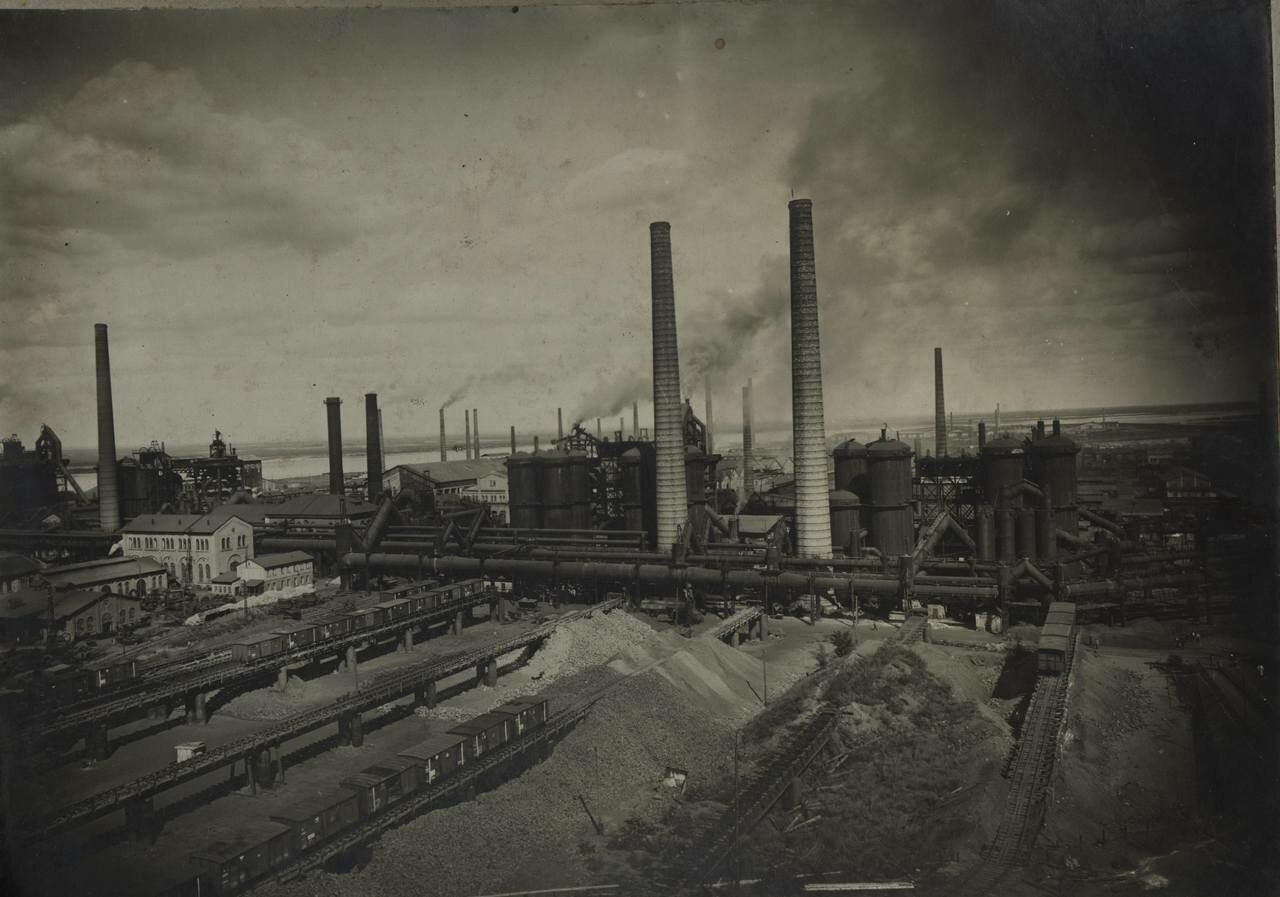
Kamianske
Transformed in the late 19th century by Belgian capital, Kamianske grew from a Cossack village into a major industrial city centered around the Dnieper Metallurgical Plant—one of Eastern Europe’s largest steel facilities—and its historic Belgian architectural colonies.
Mykolay-Pole
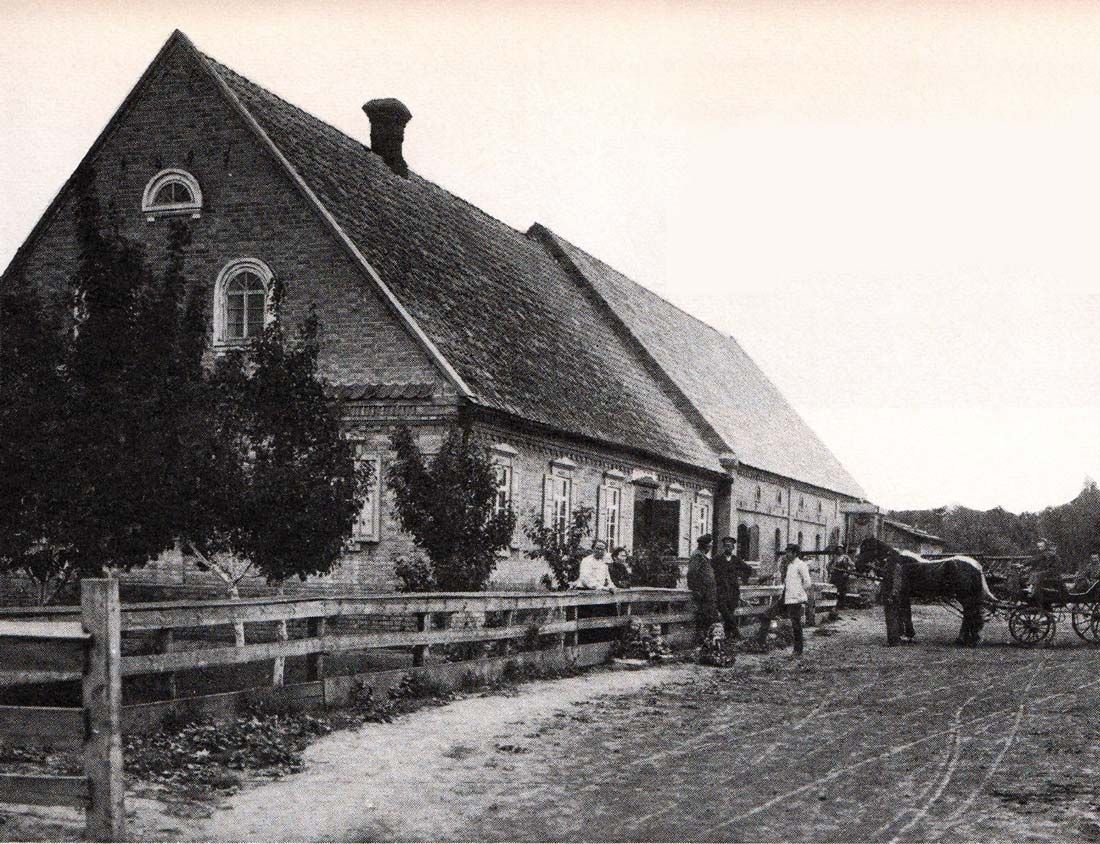
Founded in 1869 as Nikolaifeld, the administrative center of the Yazykovo Mennonite colony near Zaporizhzhia, Mykolay-Pole developed into a thriving agricultural and manufacturing hub renowned for its imposing red-brick secondary school, mechanical mills, and distinctive European Protestant architecture.