Johann Jacob Esau
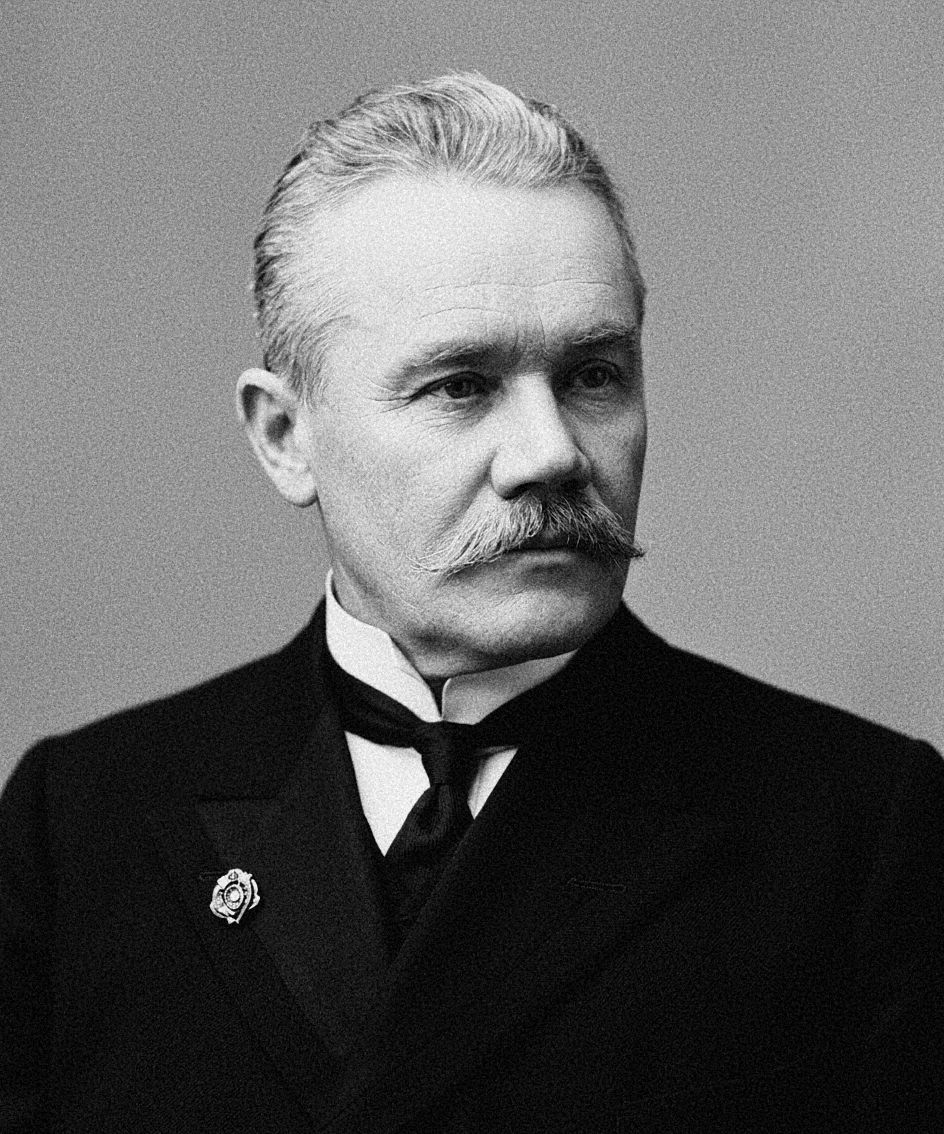
Johann Jacob Esau (1861–1940)
Ivan Esau (Johann Jacob Esau) was a prominent engineer, industrialist, and public figure of Mennonite descent who played a transformative role in the modernization of Katerynoslav (present-day Dnipro, Ukraine). Born in 1861—either in Katerynoslav or the Molochna Mennonite colony in the Tavrida Governorate—he completed his early studies at the Katerynoslav Real School in 1879 before graduating as a mechanical engineer from the Riga Polytechnic Institute.
In 1895, Esau established a major steel casting plant in Katerynoslav. The following year, ownership was transferred to the Belgian joint-stock Society of Katerynoslav Ironworks and Steel Foundries (the precursor to the Dnipropetrovsk Combine Harvester Plant), where Esau continued as plant manager from 1897 to 1898. His administrative and organizational expertise was later recognized on a regional scale when he directed the operational branch of the South-Russian Regional Industrial, Agricultural, and Handicraft Exhibition in 1010.
Transitioning into public administration, Esau served as a member of the Katerynoslav City Council (Duma) and its executive board between 1901 and 1905, before taking office as Mayor of Katerynoslav from 1905 to 1909, and briefly returning to the role in 1918. During his initial mayoral term, he secured a historic 2.5 million ruble state loan—an extraordinary feat given the city’s annual budget was only 1.65 million rubles. This massive capital injection funded a comprehensive overhaul of the municipal water supply, expanded public transit networks, and enabled the construction of new educational institutions throughout the city. Amid the turmoil of 1918, Esau emigrated to Germany and eventually settled in the United States.
Biographical record
- Year of birth
- 1861
- Year of death
- 1940
- Education
- Riga Polytechniс
- Key enterprises
- Mayor of Katerynoslav
Documented in films
View all →- Subject
EuroKryvbas
2026 · 71 min · DocumentaryThe documentary film "EuroKryvbas" updates Soviet myths and reveals that more than a century ago, the Dnipro region was an integral part of the European economy.
View film