Ernest Solvay
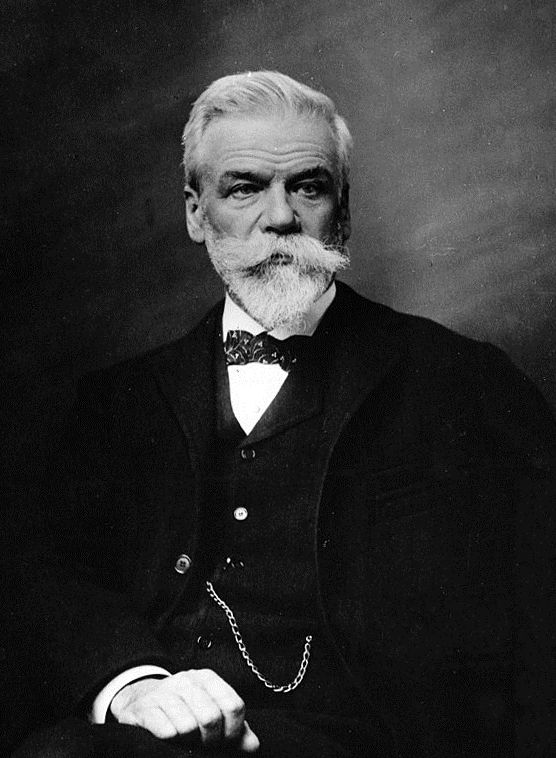
Ernest Solvay (1838–1922)
Ernest Solvay (1838–1922) was a Belgian industrial chemist, entrepreneur, and philanthropist best known for developing the "Solvay process"—a revolutionary method for producing soda ash from brine and limestone. Self-taught due to early health struggles that prevented a university education, Solvay patented his process in 1861 and co-founded Solvay & Cie with his brother Alfred. His process dramatically lowered manufacturing costs for glass, soap, and textiles, transforming his startup into a dominant global chemical enterprise by the late 19th century.
As part of his company's rapid international expansion, Solvay played a pivotal role in the industrial development of Eastern Europe. In 1892, he established a massive soda factory in Lysychansk, Ukraine. Alongside the industrial infrastructure, his company constructed extensive red-brick housing, schools, and hospitals for workers, helping turn the Donbas region into a thriving multicultural industrial hub. Though his Ukrainian assets were nationalized following the 1917 Bolshevik Revolution, the architectural and industrial footprint he left behind earned Lysychansk international recognition as a center of Belgian heritage.
Beyond industry, Solvay used his vast wealth to advance scientific research, education, and social reform. A passionate advocate for progressive labor policies and education, he founded several institutes, including the Solvay Business School. Most famously, in 1911 he established the Solvay Conferences on Physics — legendary gatherings that brought together minds like Albert Einstein, Marie Curie, and Max Planck to lay the foundations of modern quantum physics.
Documented in films
View all →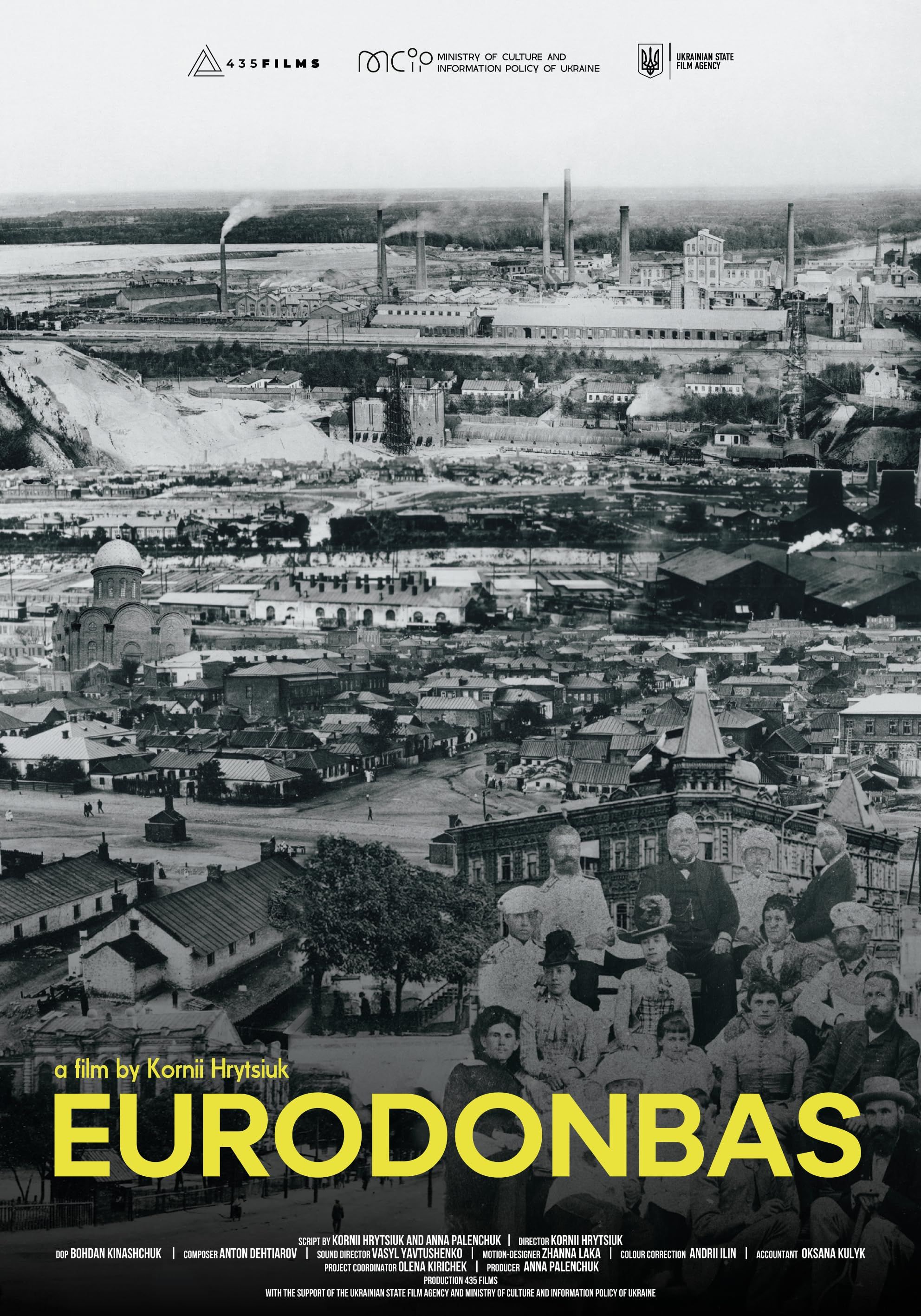
Associated locations
View all →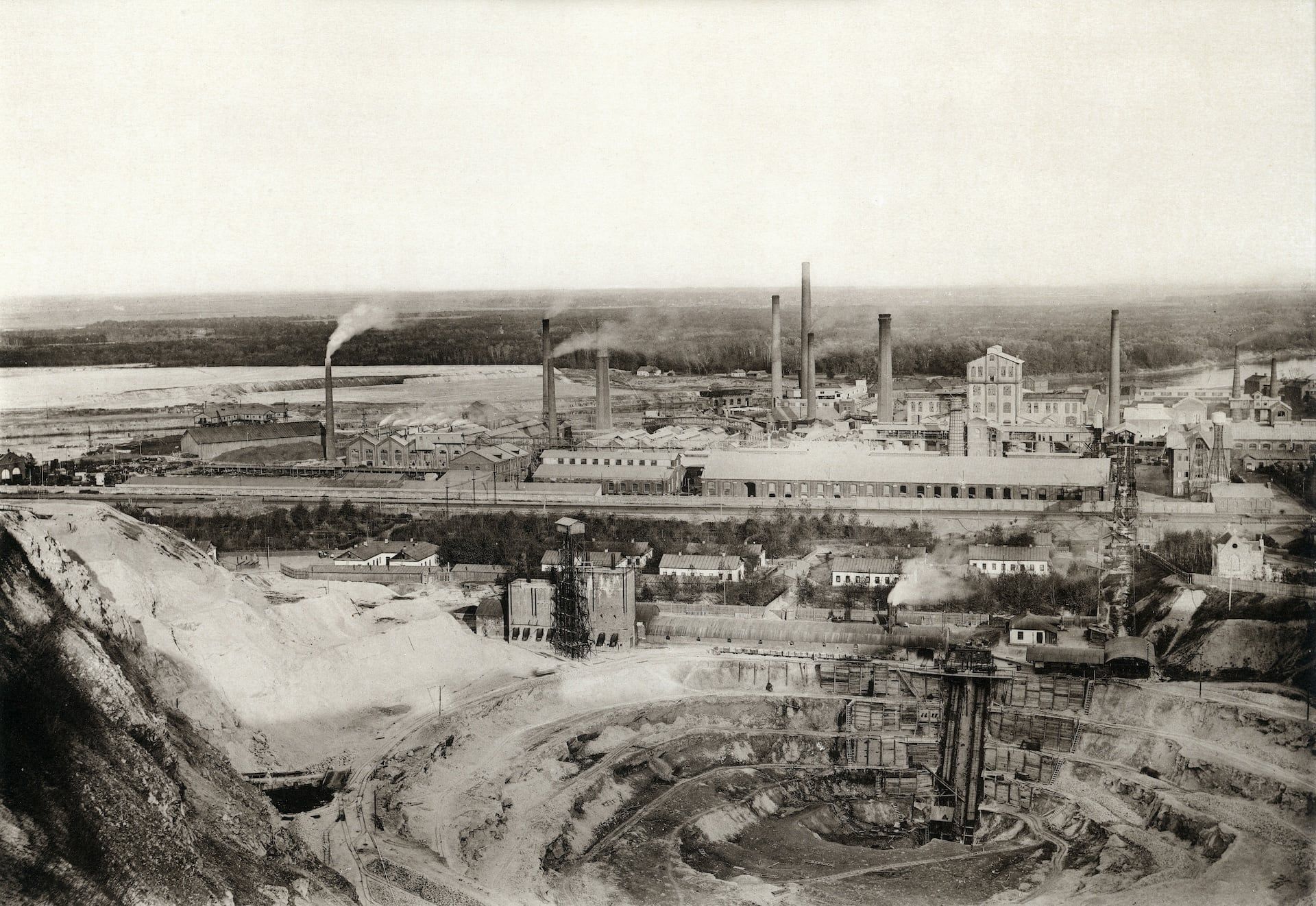
Donetsk Soda Plant
donbasFoundationView location«Donetsk Soda Plant» was founded in 1892 by the Belgian industrialist Ernest Solve. More than 30 objects of Belgian architectural heritage were found around Donsoda. Near the factory at the beginning of the 19th century. a small town was built with all the infrastructure, part of the buildings remained at the beginning of the full-scale Russian invasion.
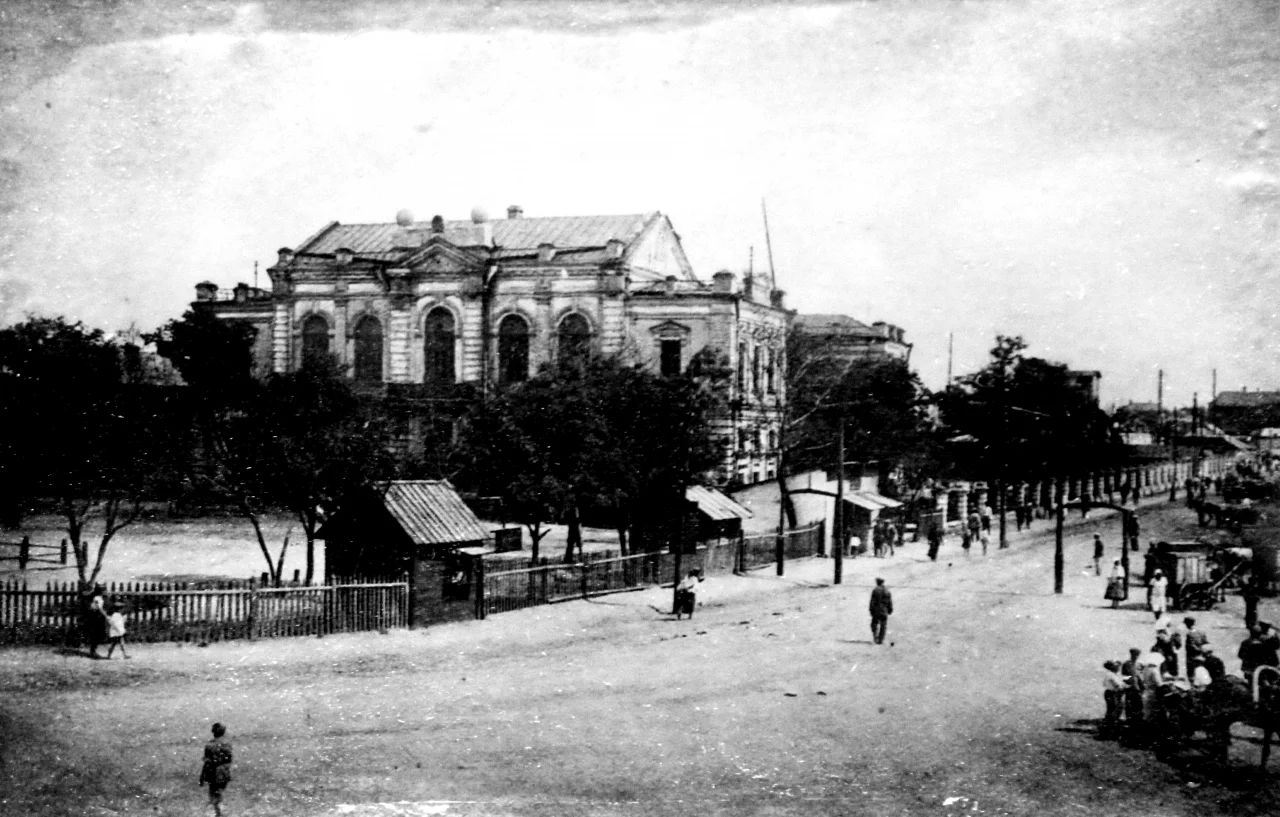
Lysychansk
donbasEnterpriseView locationKnown as the "Cradle of Donbas," Lysychansk is one of the region's oldest industrial cities, famous for hosting the first Donbas coal mine and a rich 19th-century Belgian architectural heritage.
Soda Plant Hospital
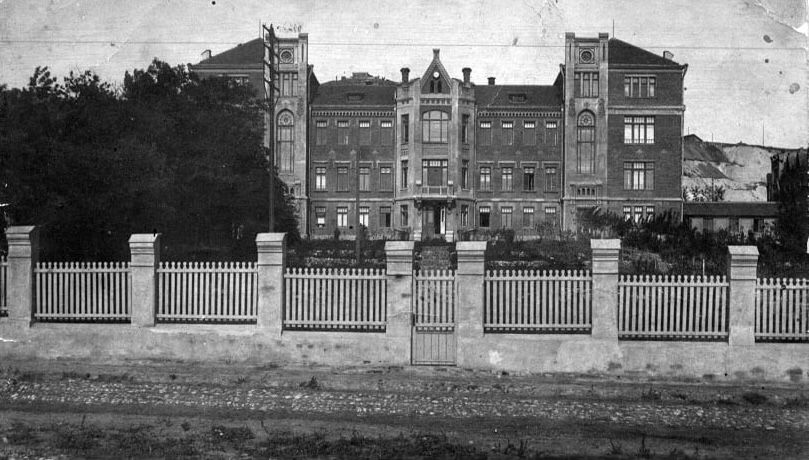
donbasFoundationView locationBuilt in 1911 in the Art Nouveau style by architect Yuliy Tsaune, the historic Lysychansk soda factory hospital—a red-brick landmark of the city's European heritage—now stands abandoned and rapidly deteriorating despite efforts by local activists to save it.
Biographical record
- Year of birth
- 1838
- Year of death
- 1922
- Place of birth
- Rebecq, Belgium
- Key enterprises
- Solvay & Cie