Kryvyi Rih
- Type
- Settlement
- Region
- Kryvbas
- Country
- UA
- Coordinates
- 47.9100, 33.3900
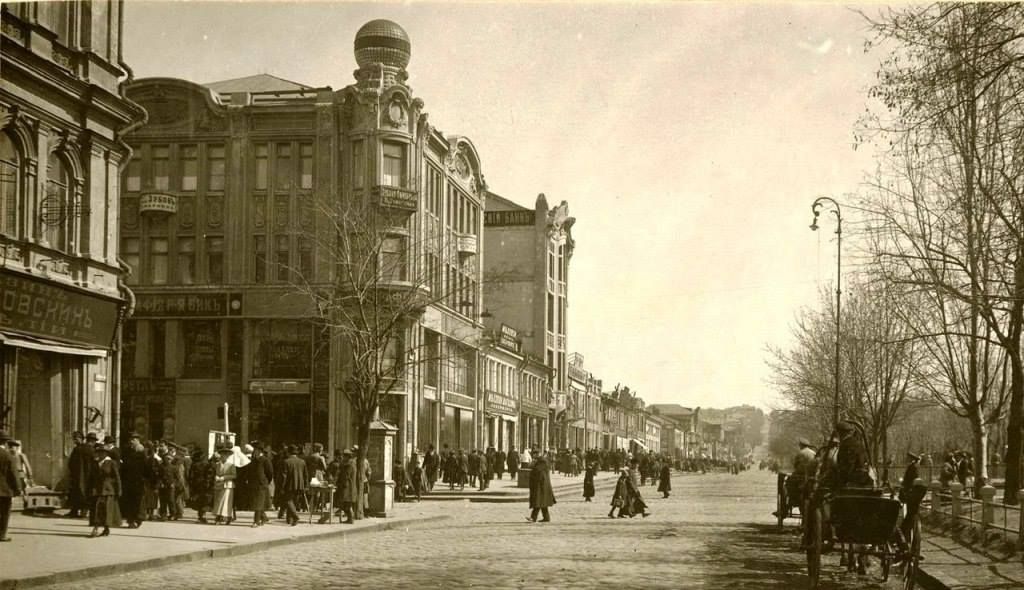
Forged in the late 19th century through French and Belgian capital, Kryvyi Rih transformed from a tranquil steppe settlement into an international mining superpower, driven by vast iron ore quarries and European engineering.
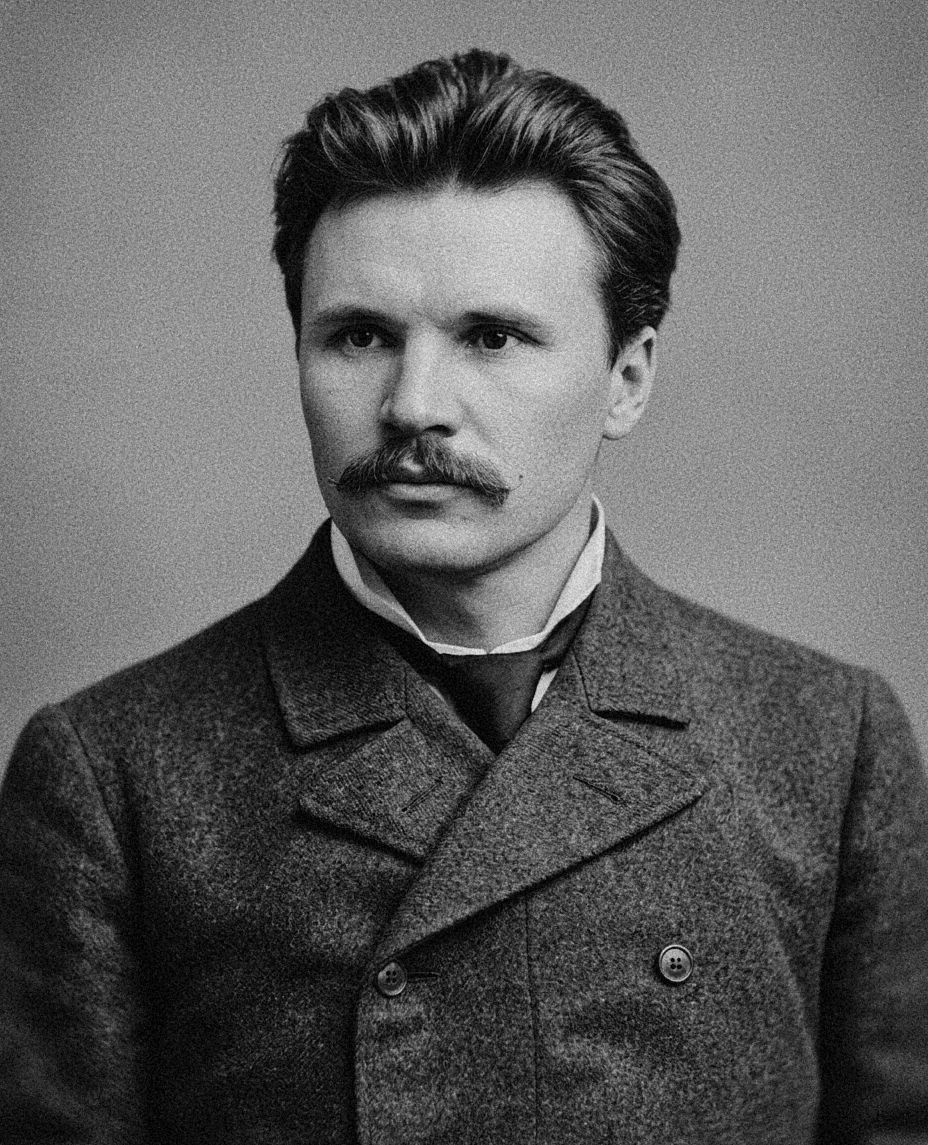
Stretching for over 120 kilometers across the red-earthed plains of central Ukraine, Kryvyi Rih serves as the urban and industrial heart of the Kryvbas Iron Ore Basin. While its roots date back to Zaporozhian Cossack winter quarters in the 18th century, the city's modern identity was forged in 1881 following the discovery of vast, high-grade iron ore deposits by Ukrainian researcher Oleksander Pol and the subsequent entry of French capital.
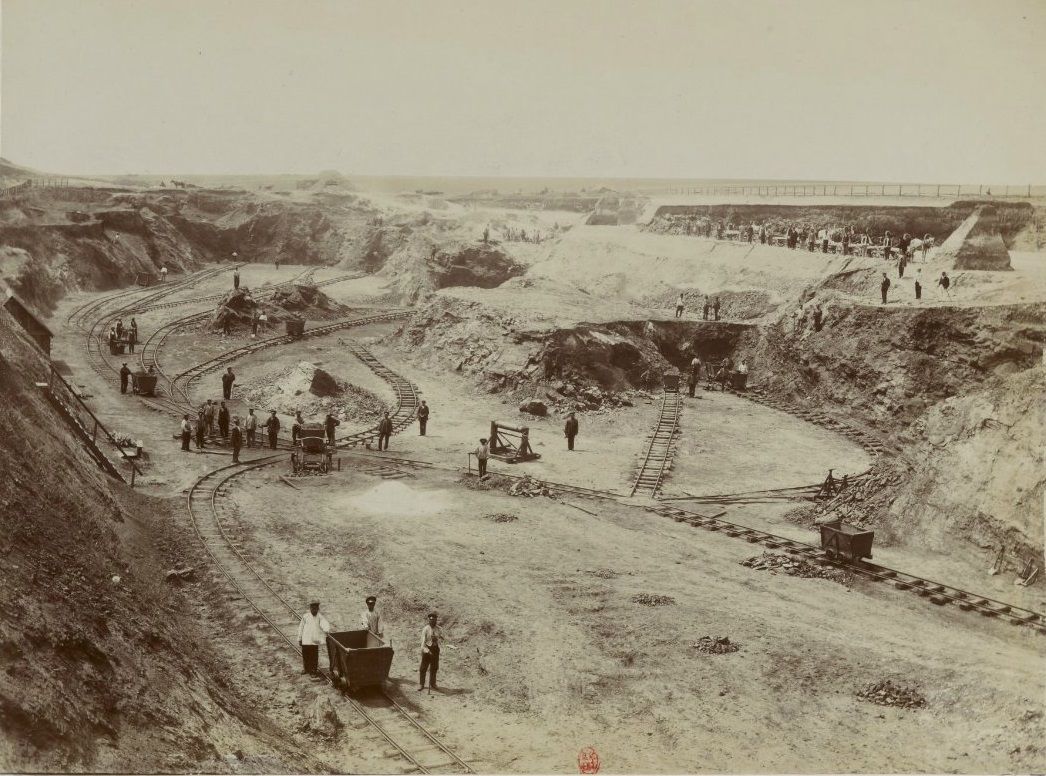
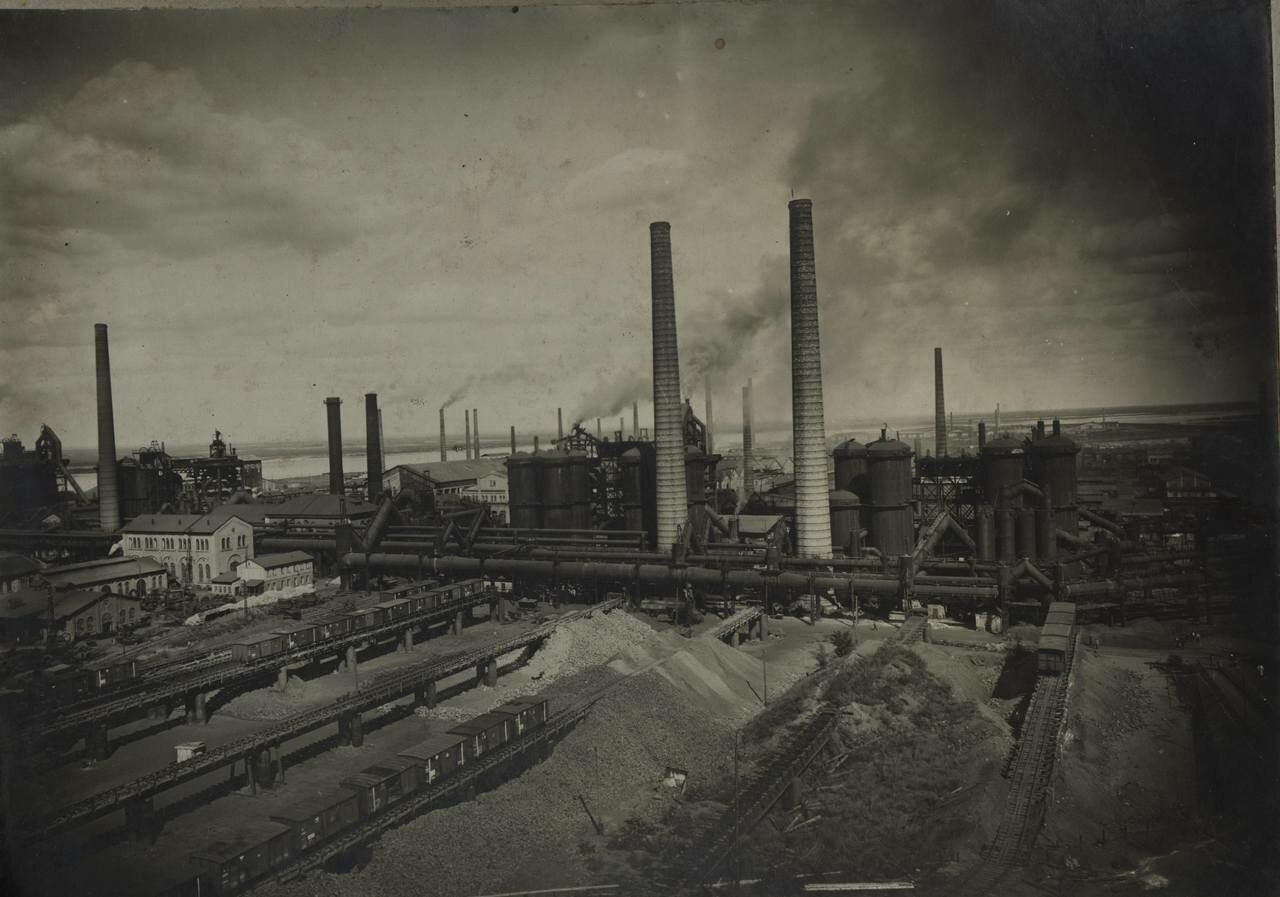
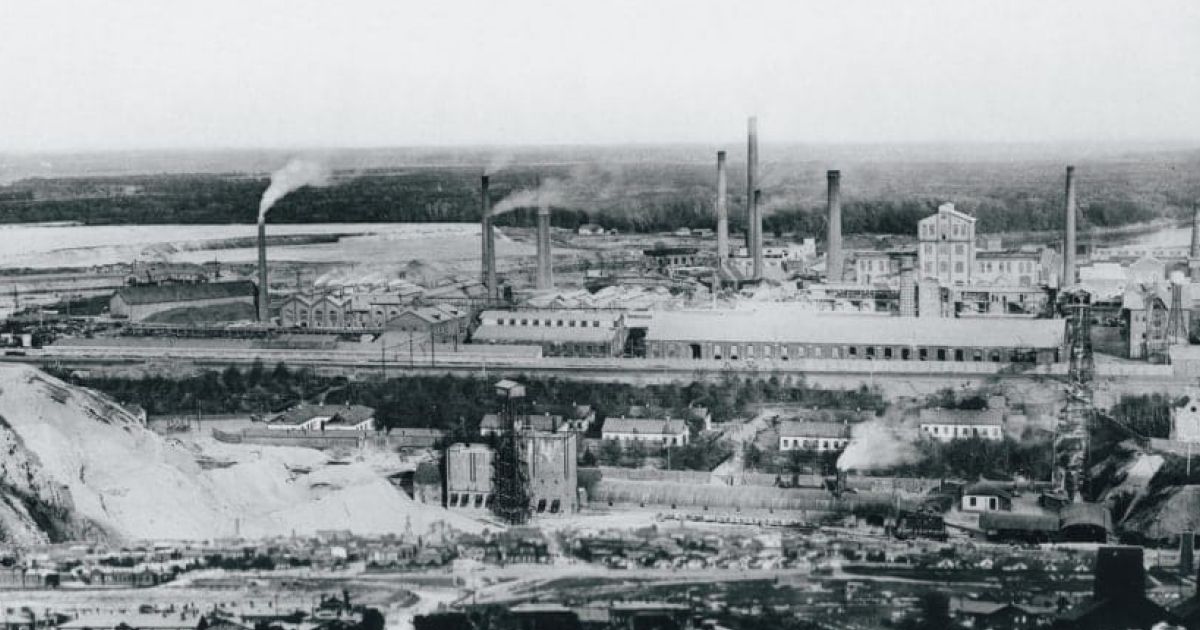
The founding of the Société des Minerais de Fer de Krivoi Rog (French Joint-Stock Company of Kryvyi Rih Iron Ores) in Paris launched an intense industrial boom. French engineers introduced deep-shaft extraction methods, constructed massive open-pit quarries, and financed the vital Catherine Railway connecting Kryvyi Rih with the Donbas coal fields. Belgian, German, and English investors soon followed, establishing mining societies, processing plants, worker settlements, hospitals, and technical schools. By the turn of the 20th century, this once-isolated Cossack settlement supplied over half of the iron ore processed across the entire region, hosting consulates and a vibrant European technical community.
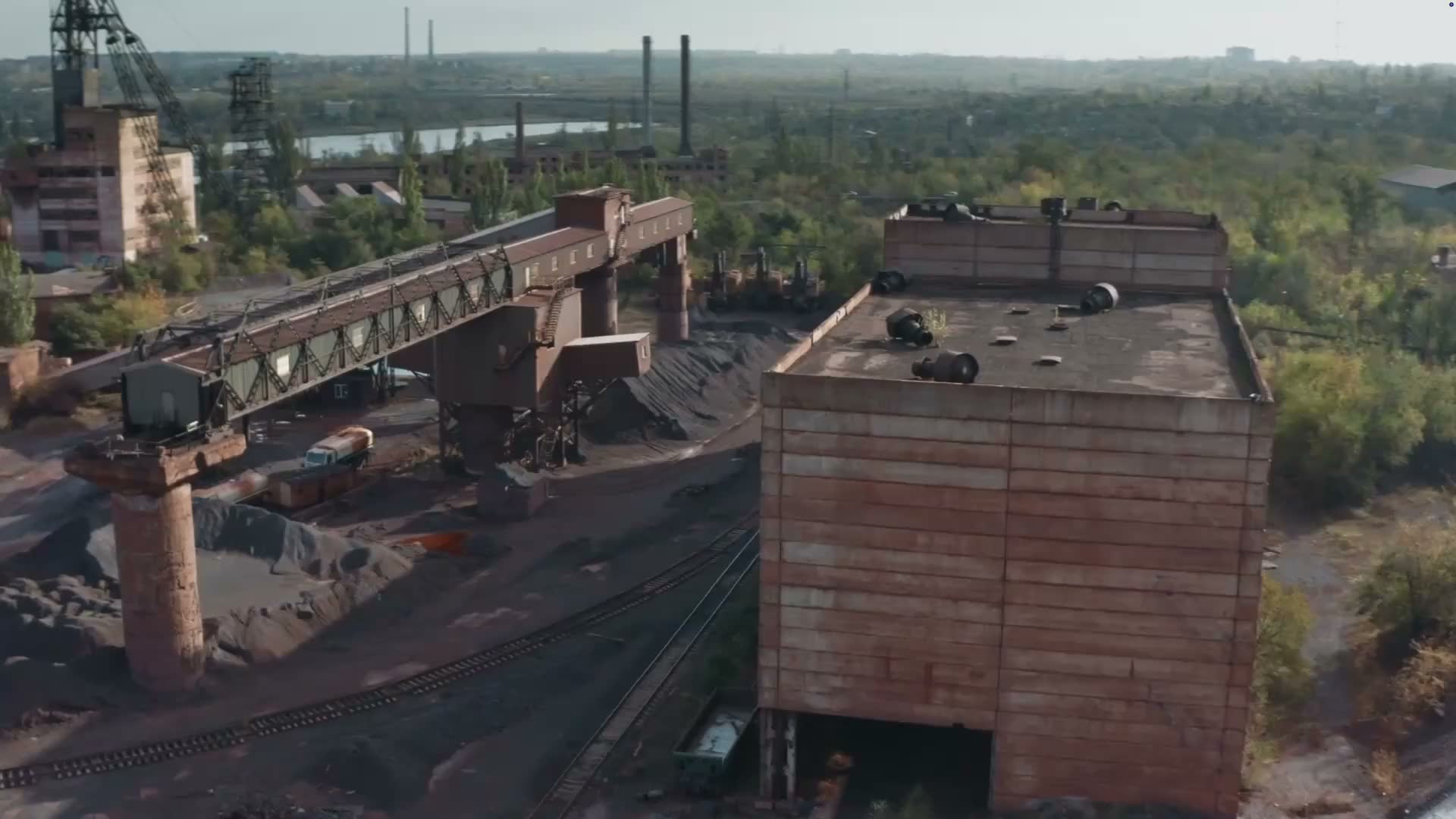
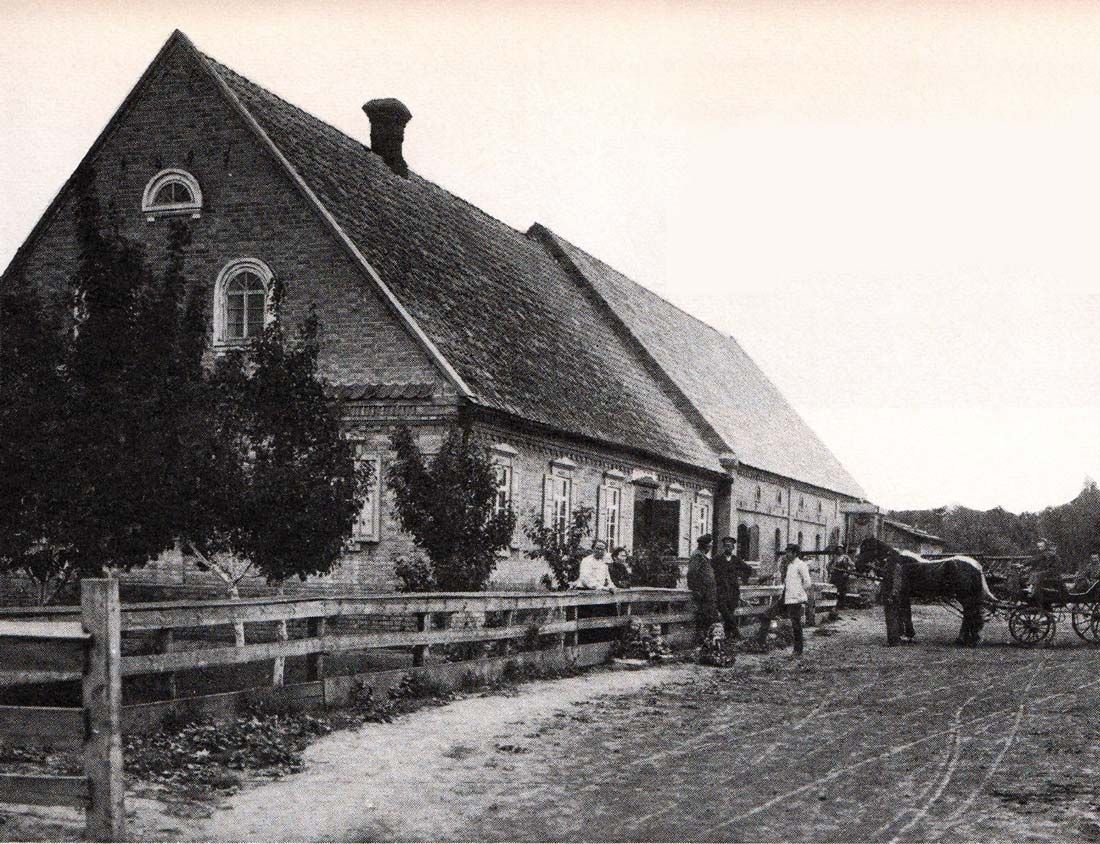
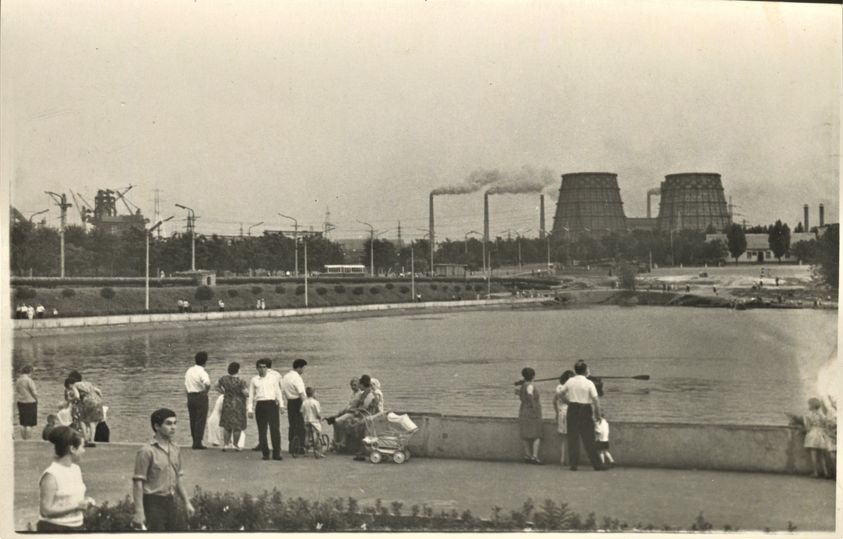
Under Soviet rule, these foreign-owned concessions were nationalized, merged into massive state enterprises, and rebranded to align with Soviet industrial mythologies, obscuring the region's French-driven beginnings. Today, Kryvyi Rih’s dramatic landscape of terraced open-pit mines, red-tinted soil, and surviving late-19th-century brick structures stands as a testament to its origin as a premier European mining center.
Map
47.9° N
33.4° E
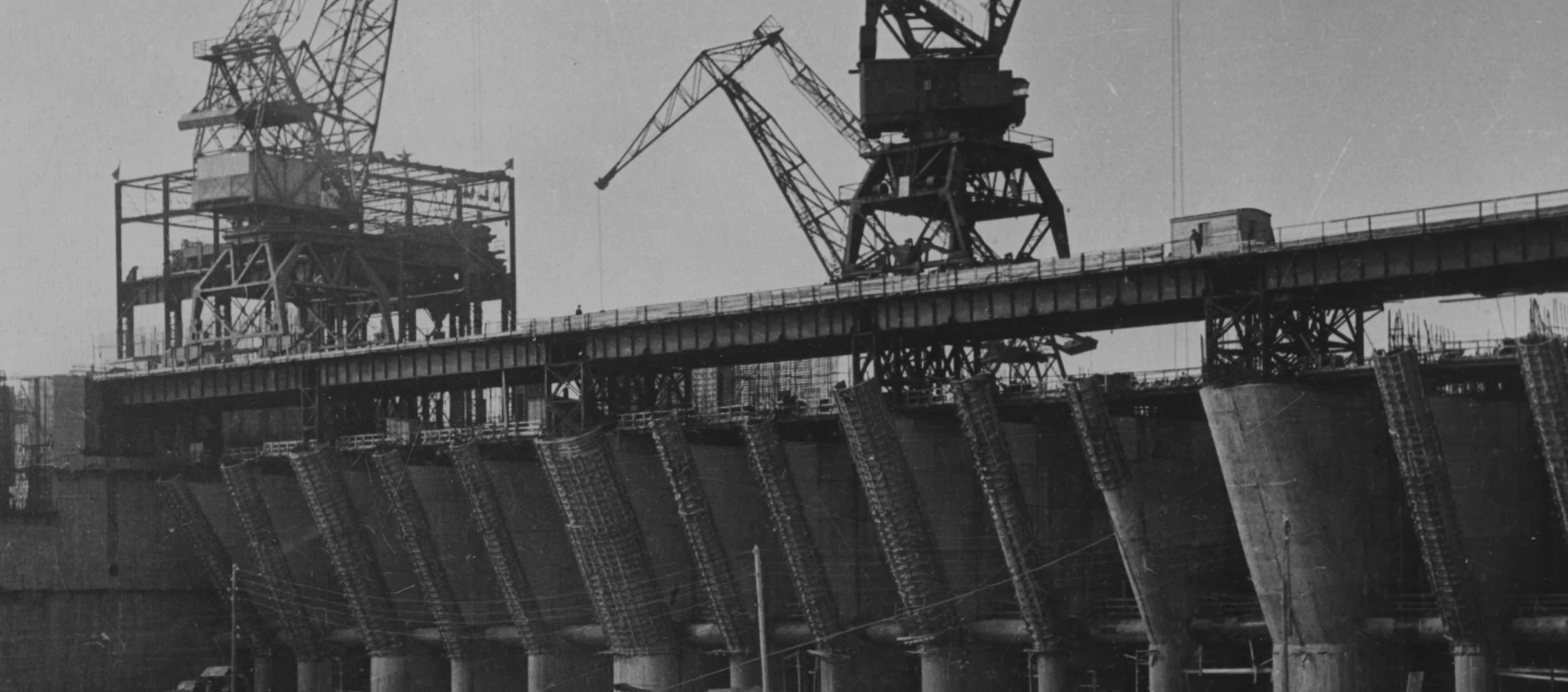
The film documenting this place
View all →EuroKryvbas
2026 · 71 min · DocumentaryThe documentary film "EuroKryvbas" updates Soviet myths and reveals that more than a century ago, the Dnipro region was an integral part of the European economy.
View film