Dnipro
- Type
- Settlement
- Region
- Kryvbas
- Country
- UA
- Coordinates
- 48.4675, 35.0400
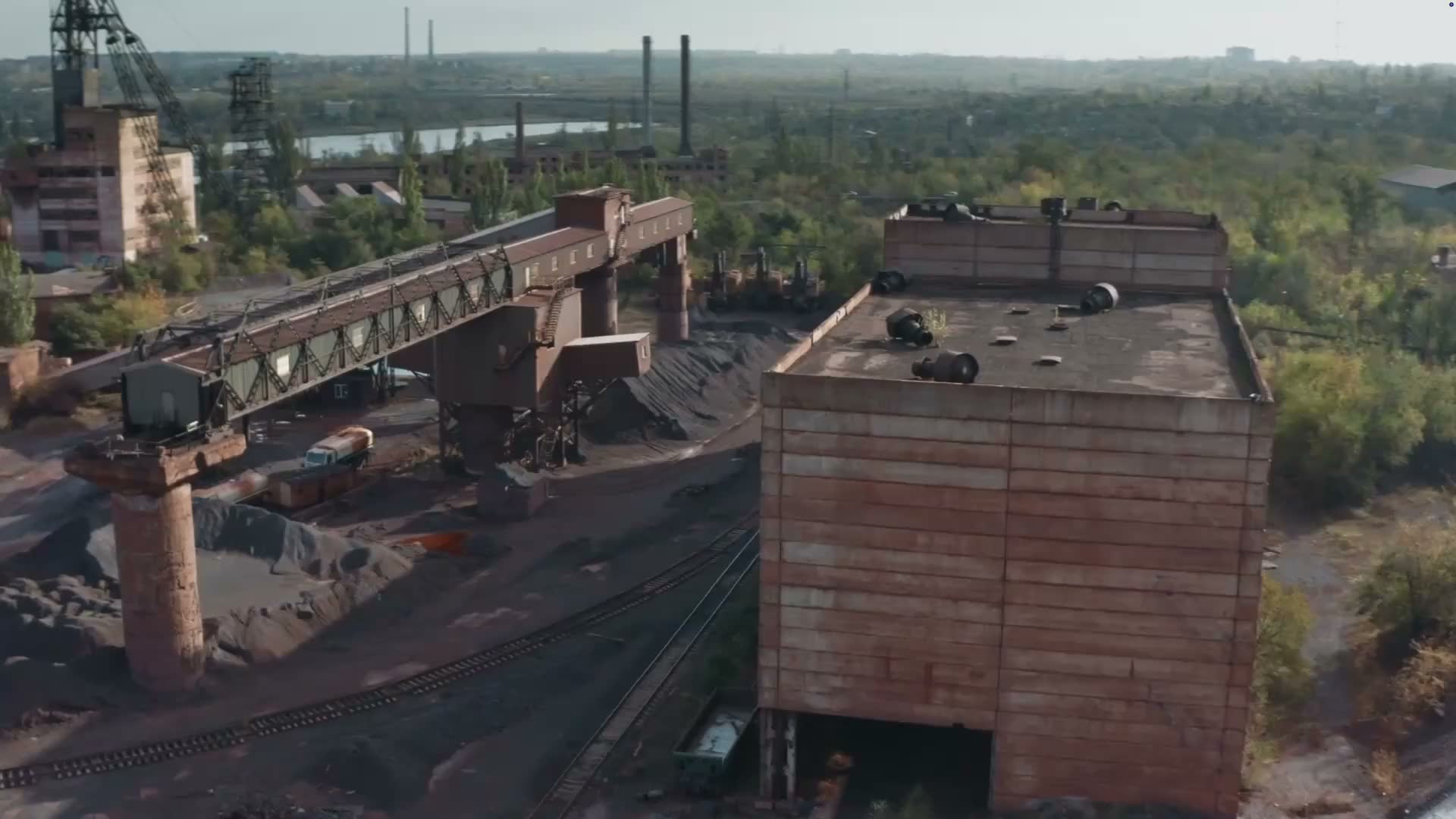
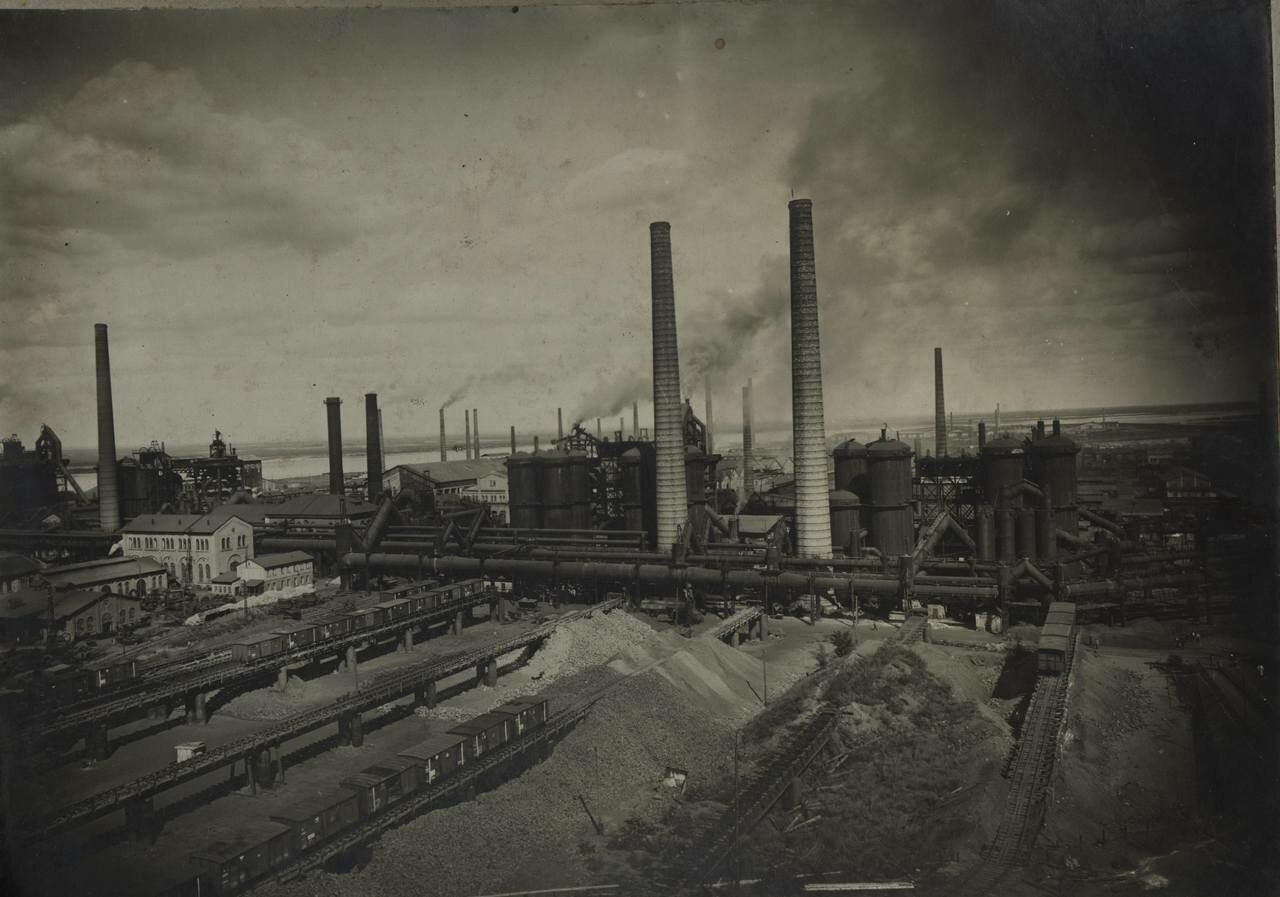
Known in the late 19th century as the "Manchester of the South," Dnipro (then Katerynoslav) served as the financial, logistical, and administrative headquarters for Western European capital, uniting Kryvbas iron ore with Donbas coal via French, Belgian, and German-financed infrastructure.
Throughout the 19th century, Dnipro underwent a dramatic transformation from a quiet provincial center into one of Eastern Europe's most dynamic industrial hubs. Situated at the strategic intersection of the Dnipro River and the newly constructed Catherine Railway (1884), the city became the essential bridge connecting the vast iron ore deposits of Kryvbas to the west with the coal fields of Donbas to the east. This central geographic position turned Dnipro into the operational neural center of the entire regional industrial boom.
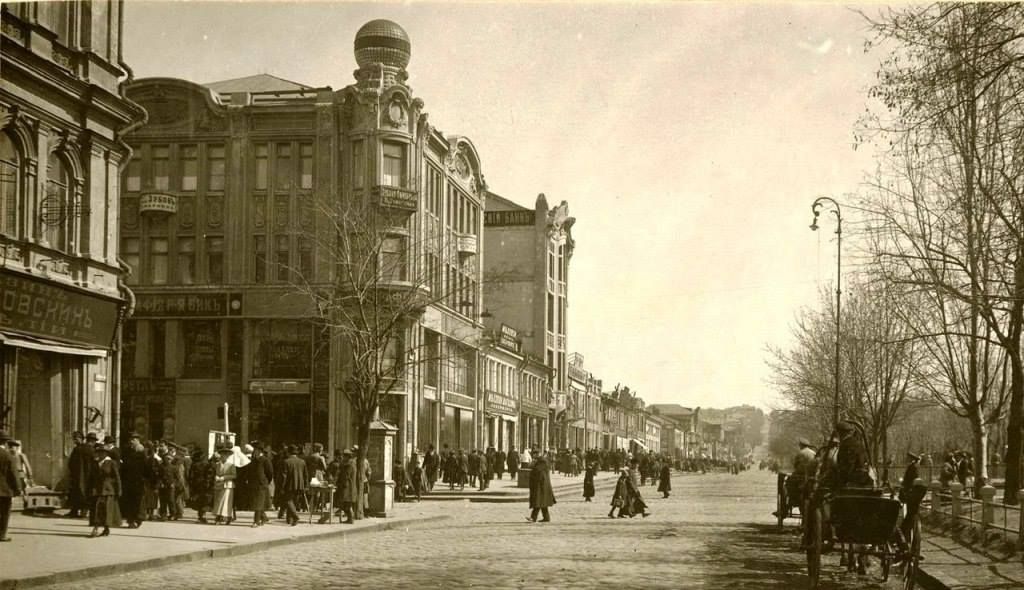
The city's rapid expansion was fueled by a massive influx of French, Belgian, and German capital, earning it the contemporary moniker "Manchester of the South." Western investors established major heavy industrial enterprises across the city and its immediate suburbs, including the Briansky Steel Works (founded with French and Belgian participation) and pipe factories like Chaudoir, established by Belgian industrialist Gustave Chaudoir. Foreign capital built not only blast furnaces and pipe mills, but also funded modern civic infrastructure: the double-decker Amur Bridge over the Dnipro, electric streetcar networks (among the earliest in the region, built by Belgian companies), banks, diplomatic consulates, and elegant red-brick commercial architecture along today's Dmytro Yavornytsky Avenue.
Following the 1917 Bolshevik Revolution, these foreign-owned enterprises and financial institutions were nationalized, and the city's cosmopolitan history was systematically rewritten under Soviet rule, later becoming a "closed city" due to its rocket manufacturing defense industry. Today, surviving industrial complexes, brick-style commercial buildings, and historic urban planning stand as enduring monuments to Dnipro's foundational era as a Western-built metropolis.
Map
48.5° N
35.0° E
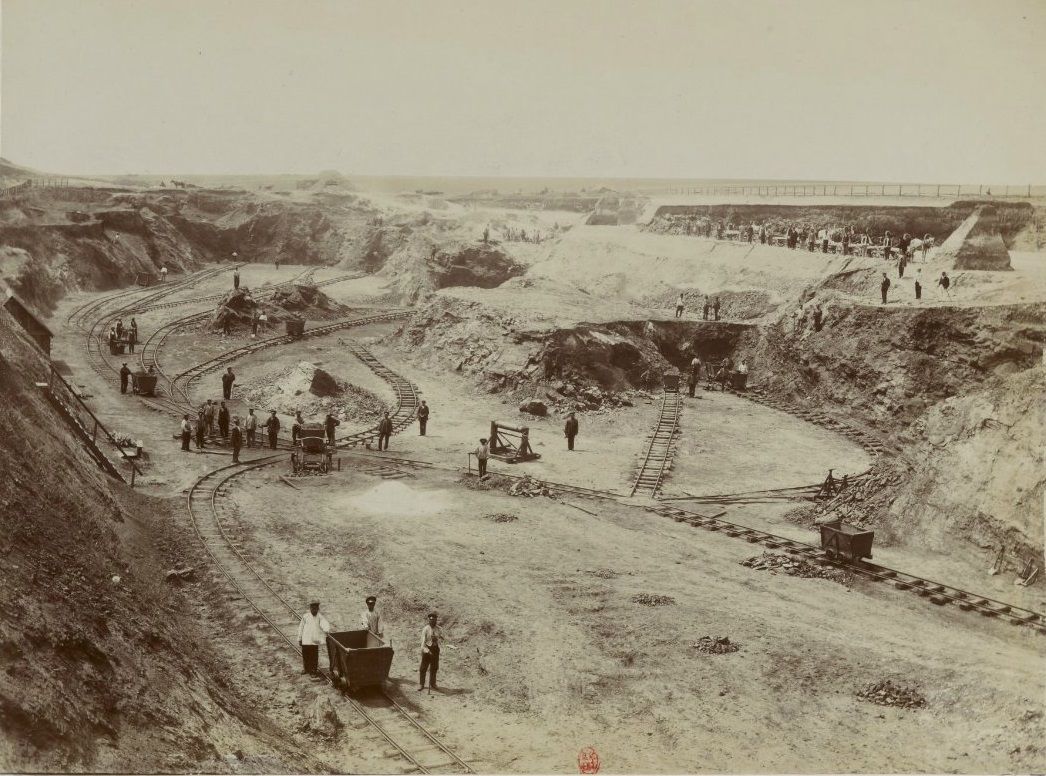
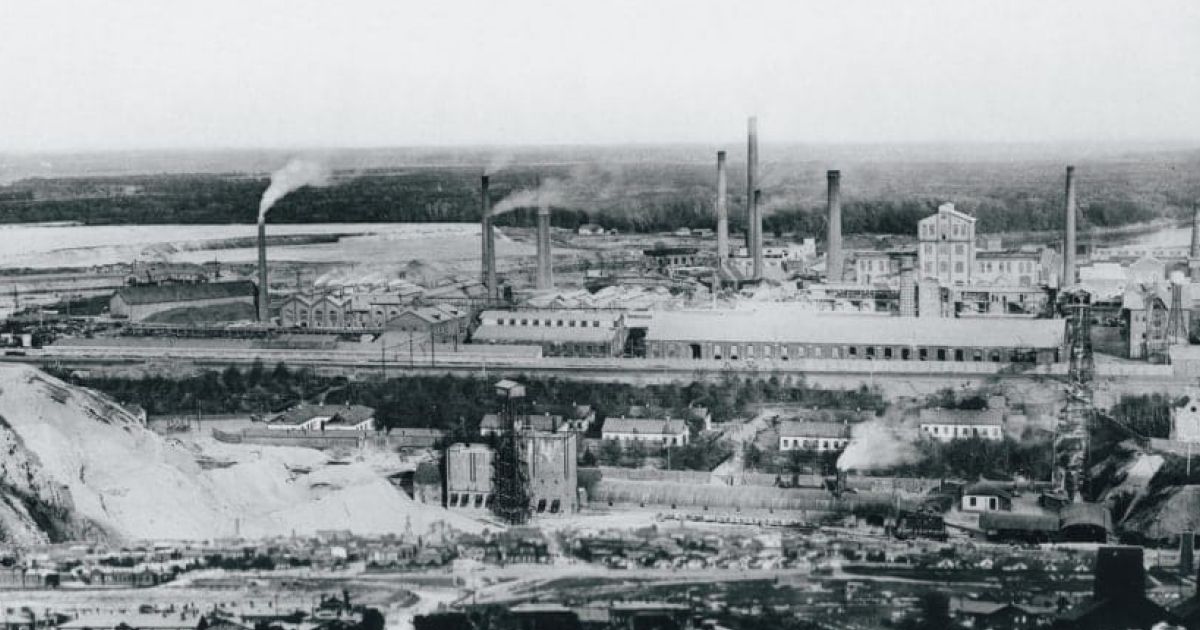
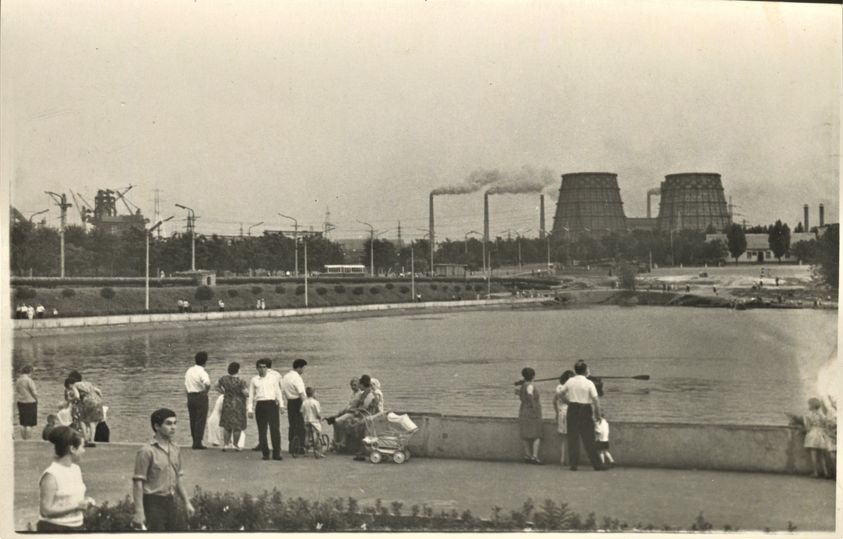
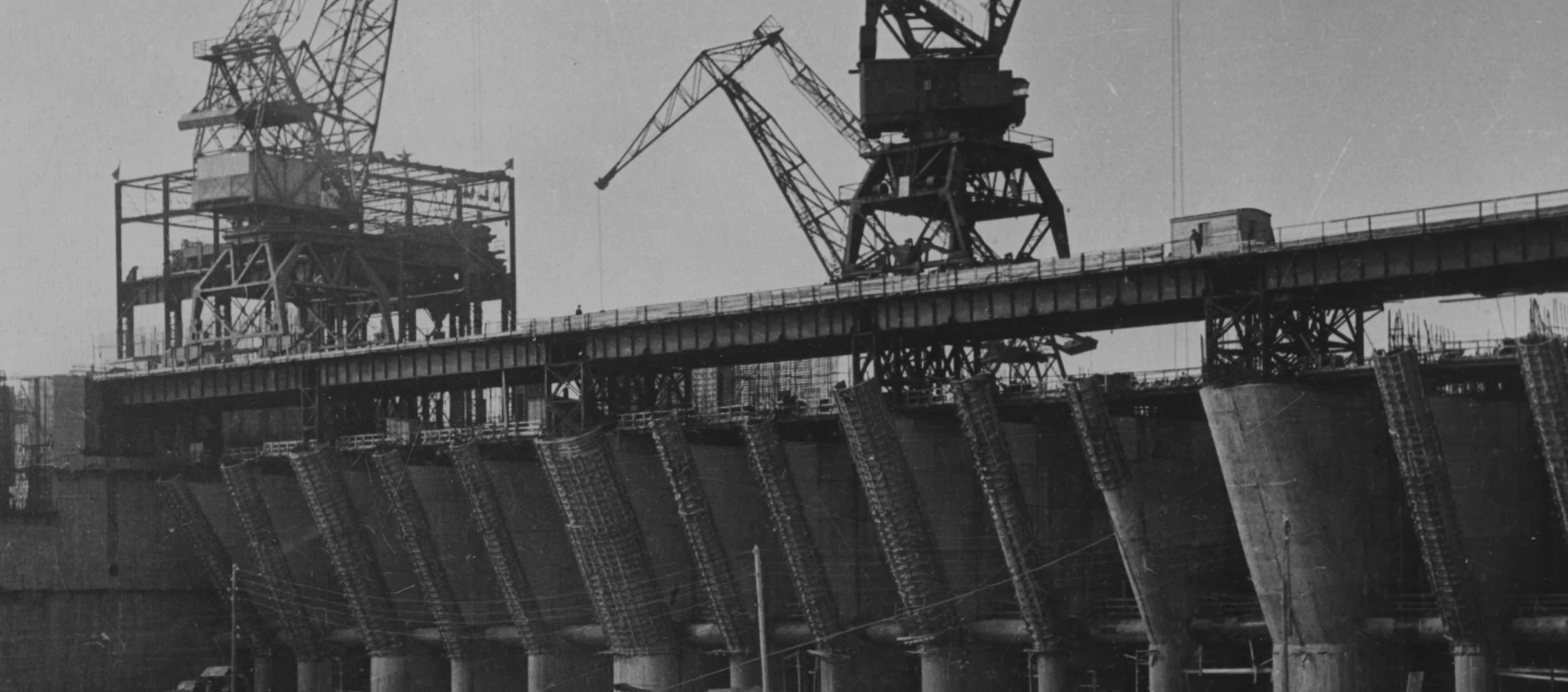
Gallery
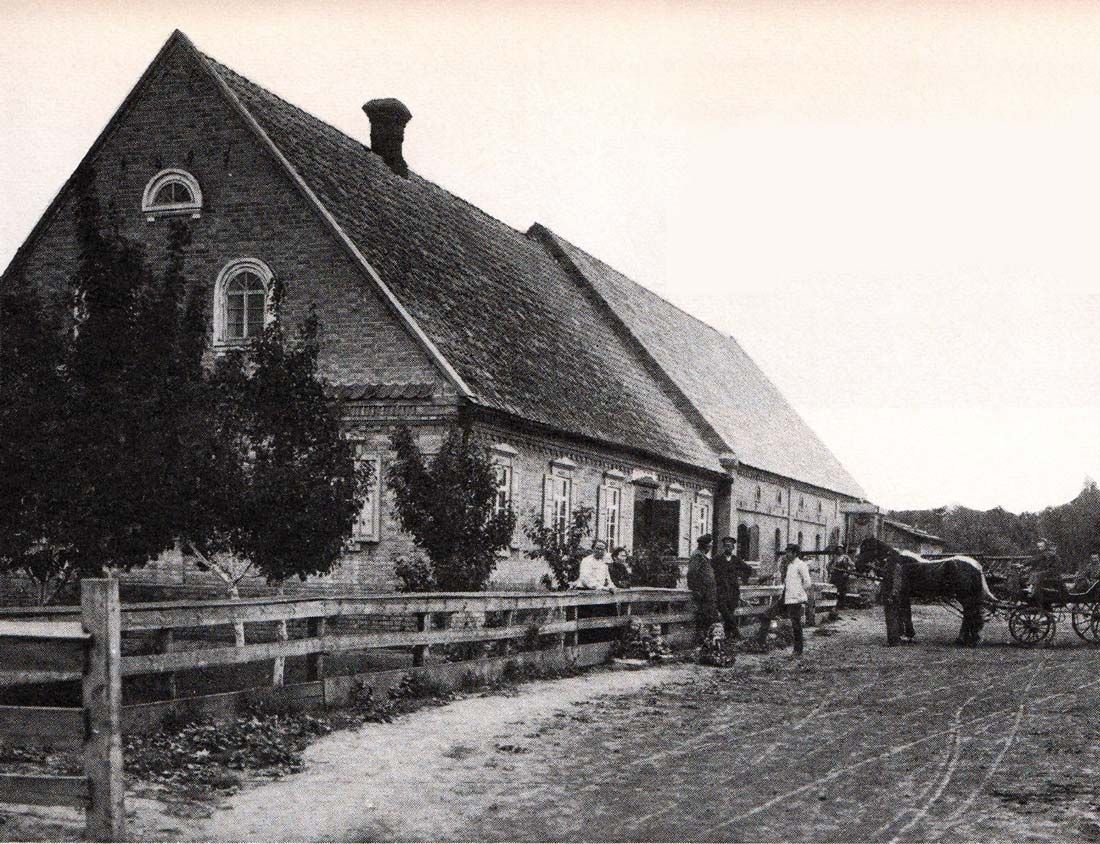
The first electric trams in Dnipro appeared thanks to Belgian investors. In the 19th century, Dnipro looked like an ordinary European city—consulates, banks, hotels, and confectioneries operated there.
The film documenting this place
View all →EuroKryvbas
2026 · 71 min · DocumentaryThe documentary film "EuroKryvbas" updates Soviet myths and reveals that more than a century ago, the Dnipro region was an integral part of the European economy.
View film