Berdiansk
- Type
- Settlement
- Region
- Tavria
- Country
- UA
- Coordinates
- 46.7556, 36.7889
A vibrant port city on the Sea of Azov, Berdiansk grew into a major international gateway and engineering center in the late 19th century, powered by British industrial manufacturing and Western European grain-export syndicates.
Founded in the 1820s as a commercial harbor on the Sea of Azov, Berdiansk rapidly evolved into the primary maritime trade hub for the fertile Tavria region. By the late 19th century, the city's strategic port attracted deep foreign investment, diplomatic missions, and European industrial pioneers, transforming it from a regional trading post into a cosmopolitan engineering center.
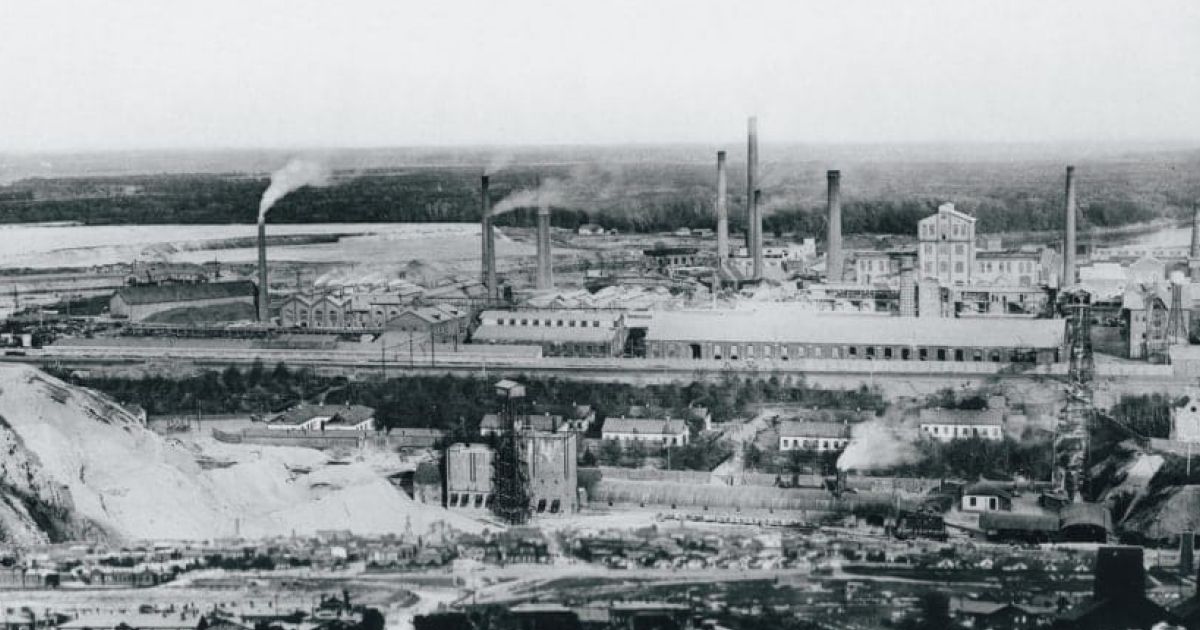
The defining pillar of Berdiansk's European heritage was established in 1876 by British entrepreneur John Greaves. His company, John Greaves & Co., constructed a massive agricultural machinery plant in the city that grew to become the largest manufacturer of harvesters and reapers in Europe. Utilizing advanced British metallurgy and mechanical engineering, the plant produced tens of thousands of farm implements annually, equipping agricultural estates across Ukraine and exporting machinery worldwide.
Alongside British manufacturing, Berdiansk housed numerous foreign consulates—including those of Great Britain, France, Belgium, Greece, and Italy—to manage the vast export of Tavrian wheat across the Mediterranean and Atlantic. Western capital also funded the city’s maritime infrastructure, brickworks, municipal lighting, and modern port facilities. Following the Bolshevik Revolution, the John Greaves plant was nationalized and renamed the "Plow and Hammer" (Pluh i Molot) factory, suppressing its British origins. Under Soviet rule and subsequent decades, the city maintained its industrial and maritime status, but fell under Russian military occupation during the 2022 full-scale invasion, placing its historic European-era architecture and industrial monuments under ongoing threat.
Map
46.8° N
36.8° E